Porsche's 911 GT3 S/C Is the Lightest Open-Top 911 Ever
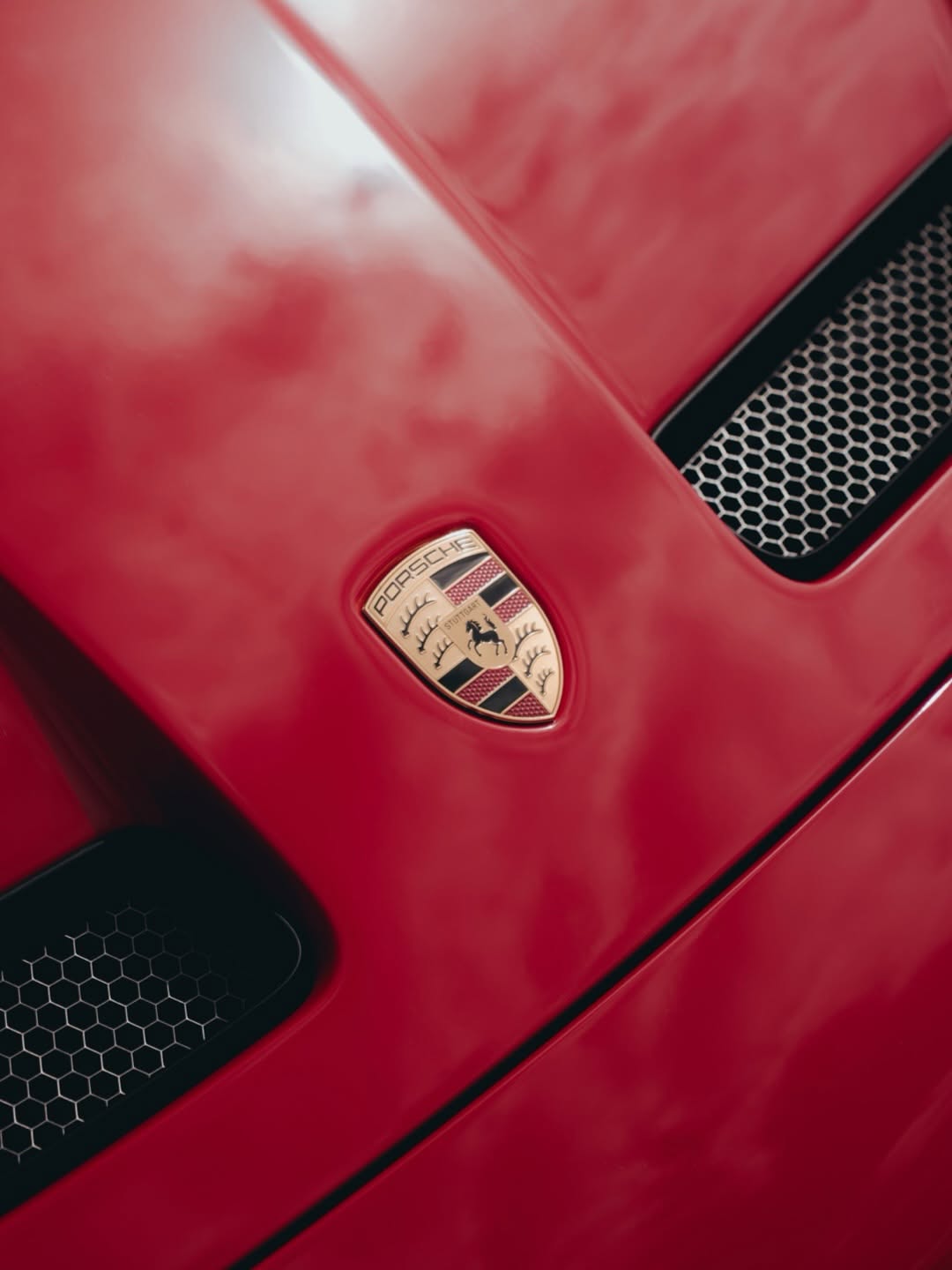
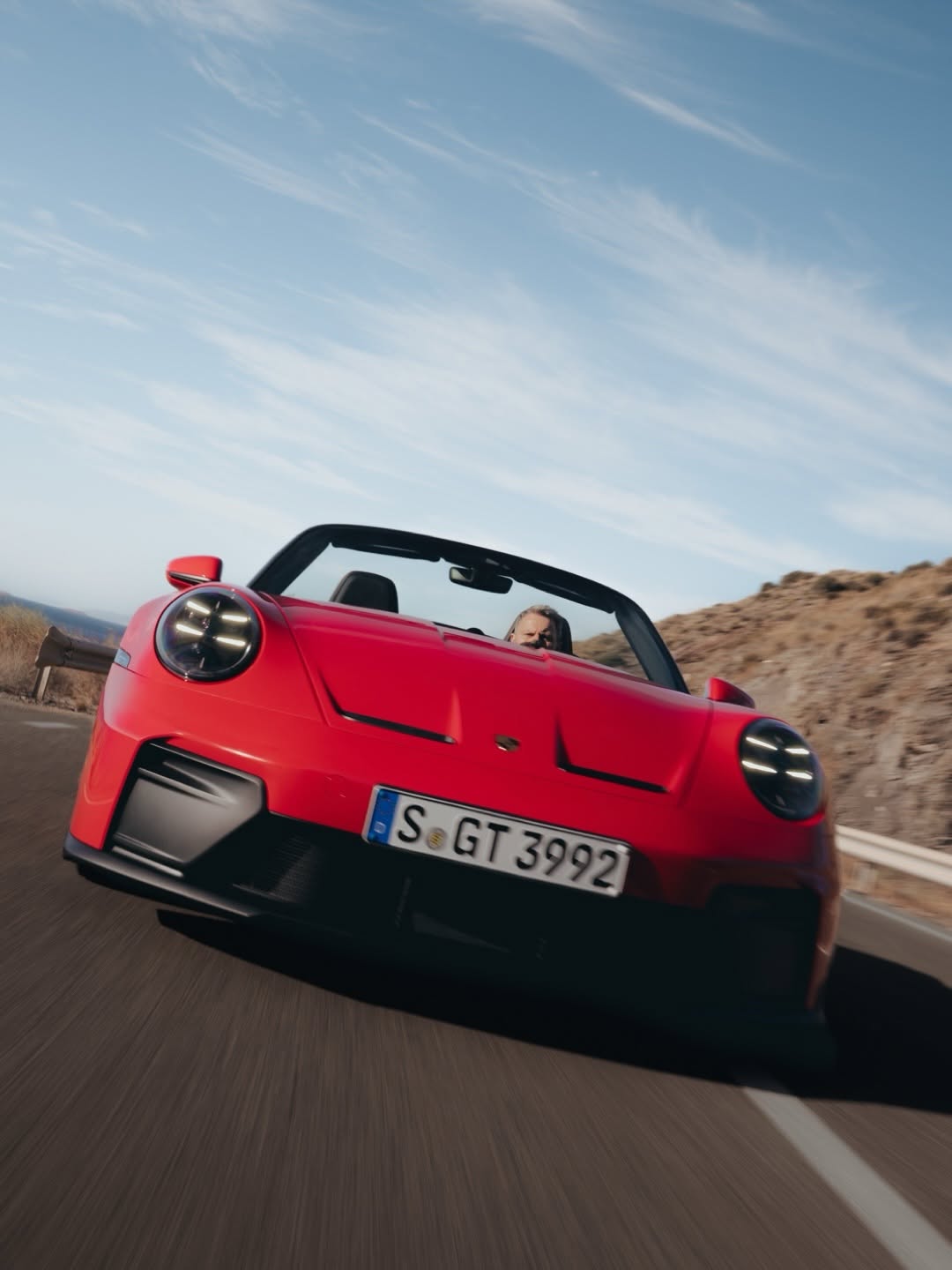
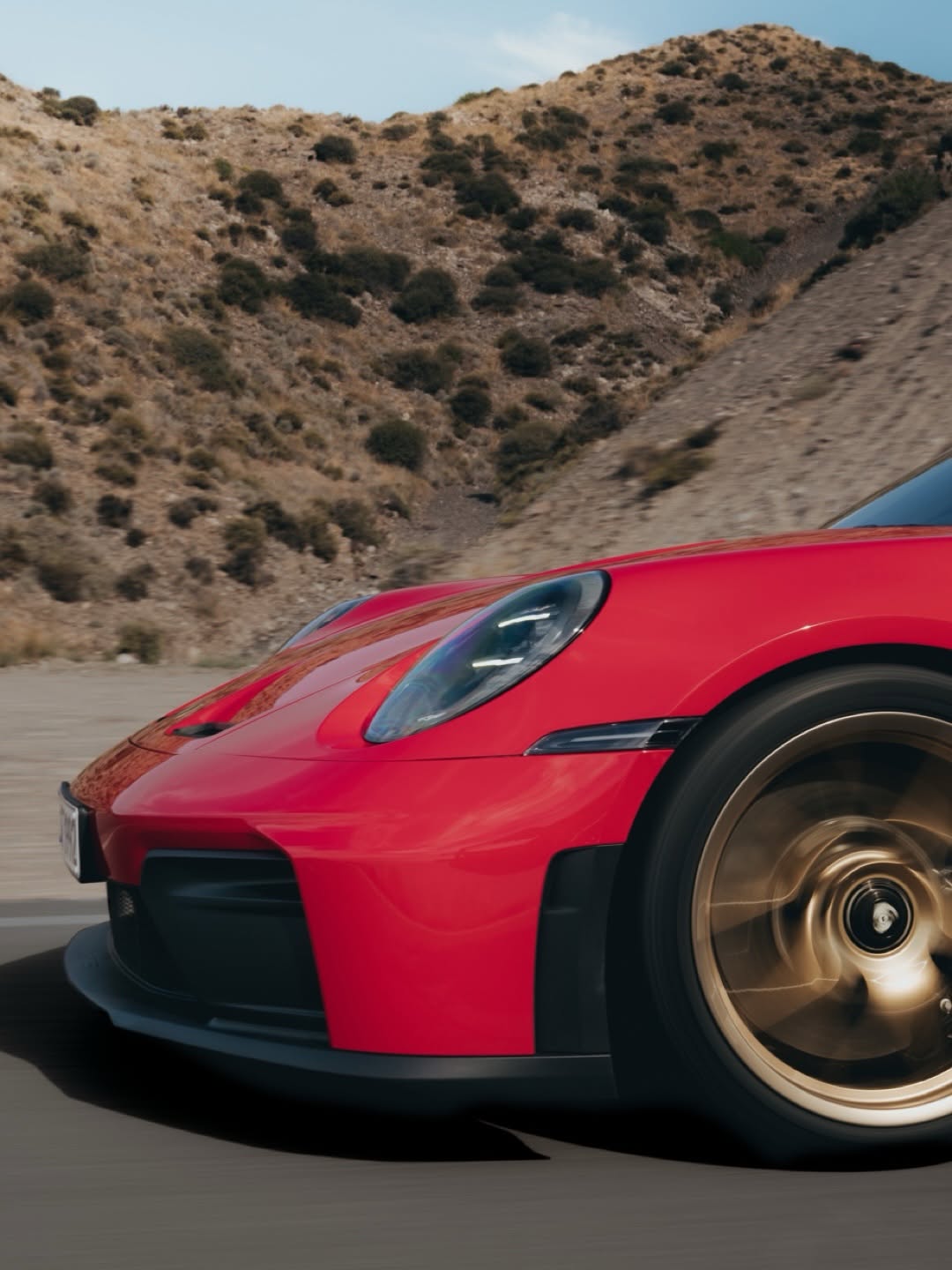
The 2026 Porsche 911 GT3 S/C is the lightest open-top 911 ever at 1,497 kg, featuring a 510 PS 4.0-liter naturally aspirated flat-six, 9,000 rpm redline, and a 6-speed manual gearbox. It uses carbon-fiber body panels from the 911 S/T and features the first double-wishbone front axle on an open-top 911.
Key Points
- At 1,497 kg, the GT3 S/C is the lightest open-top Porsche 911 ever produced.
- 4.0-liter naturally aspirated flat-six, 510 PS, 9,000 rpm redline; manual gearbox only.
- Carbon-fiber bonnet, front wings, and doors borrowed from the limited-run 911 S/T.
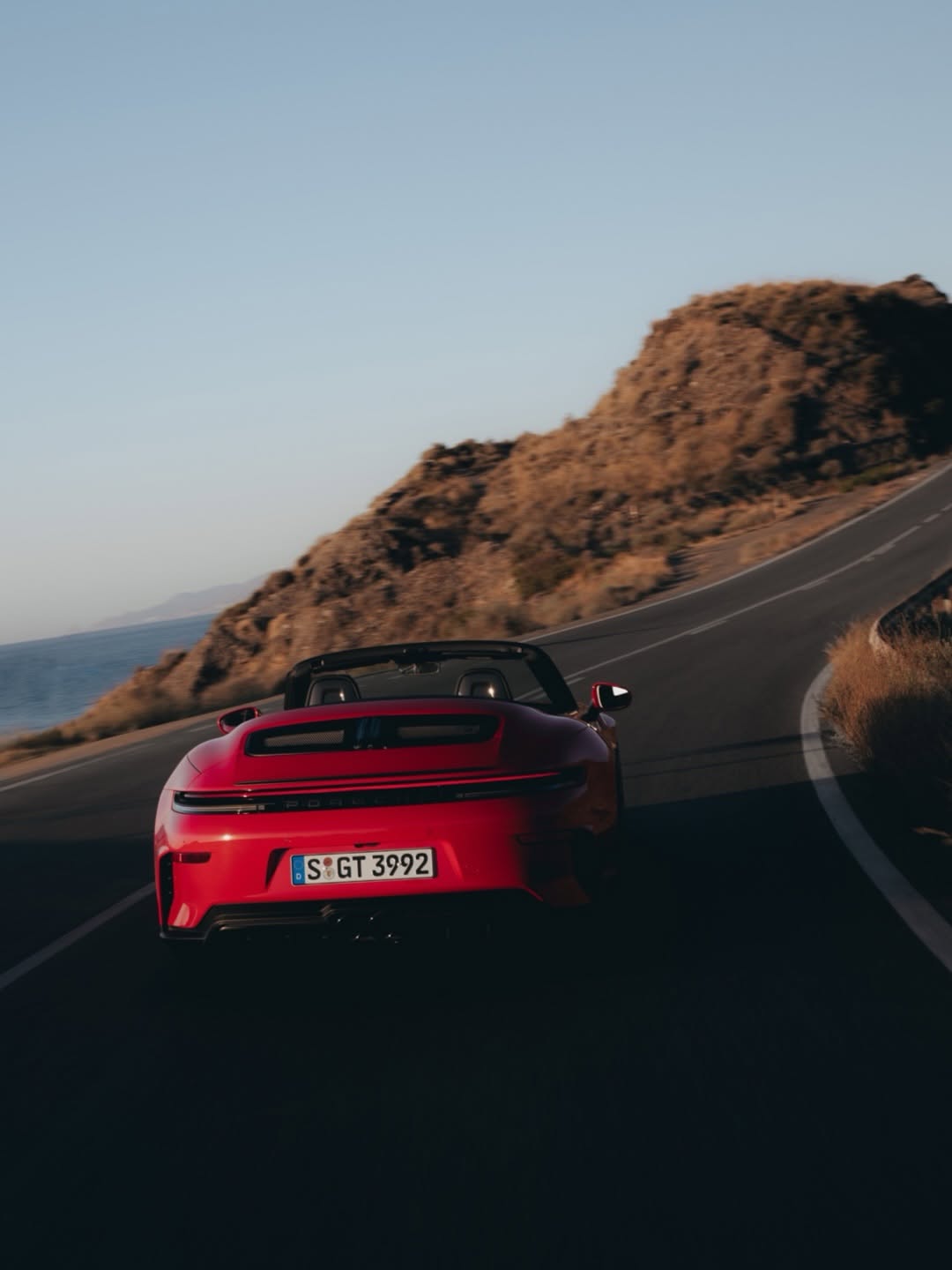
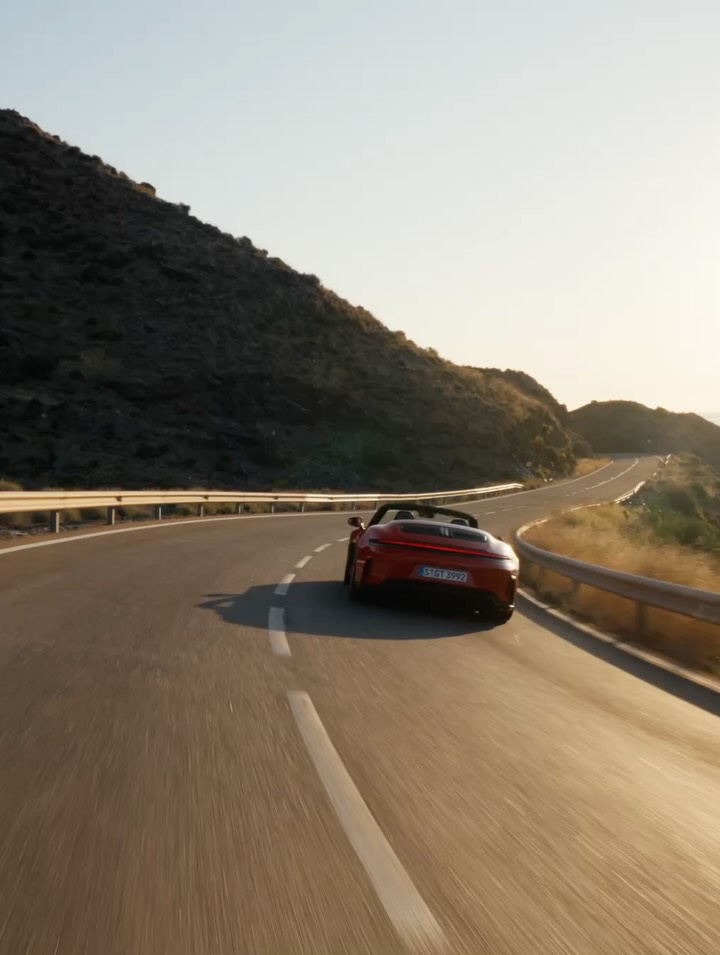
At 1,497 kilograms, the 911 GT3 S/C is the lightest open-top 911 Porsche has ever built. That number holds because the S/C badge stands for Sport Cabriolet, the name Porsche has given to something the brand has never attempted: a fully convertible version of the GT3 with a double-wishbone front axle, carbon-fiber bodywork borrowed from the 911 S/T, and a roof that opens at speeds up to 60 kilometers per hour. The question every journalist asked at the reveal was whether the convertible architecture compromises the GT3 character. The more interesting question is why it took Porsche this long to attempt it.
4.0 Liters, 9,000 RPM, No Turbos
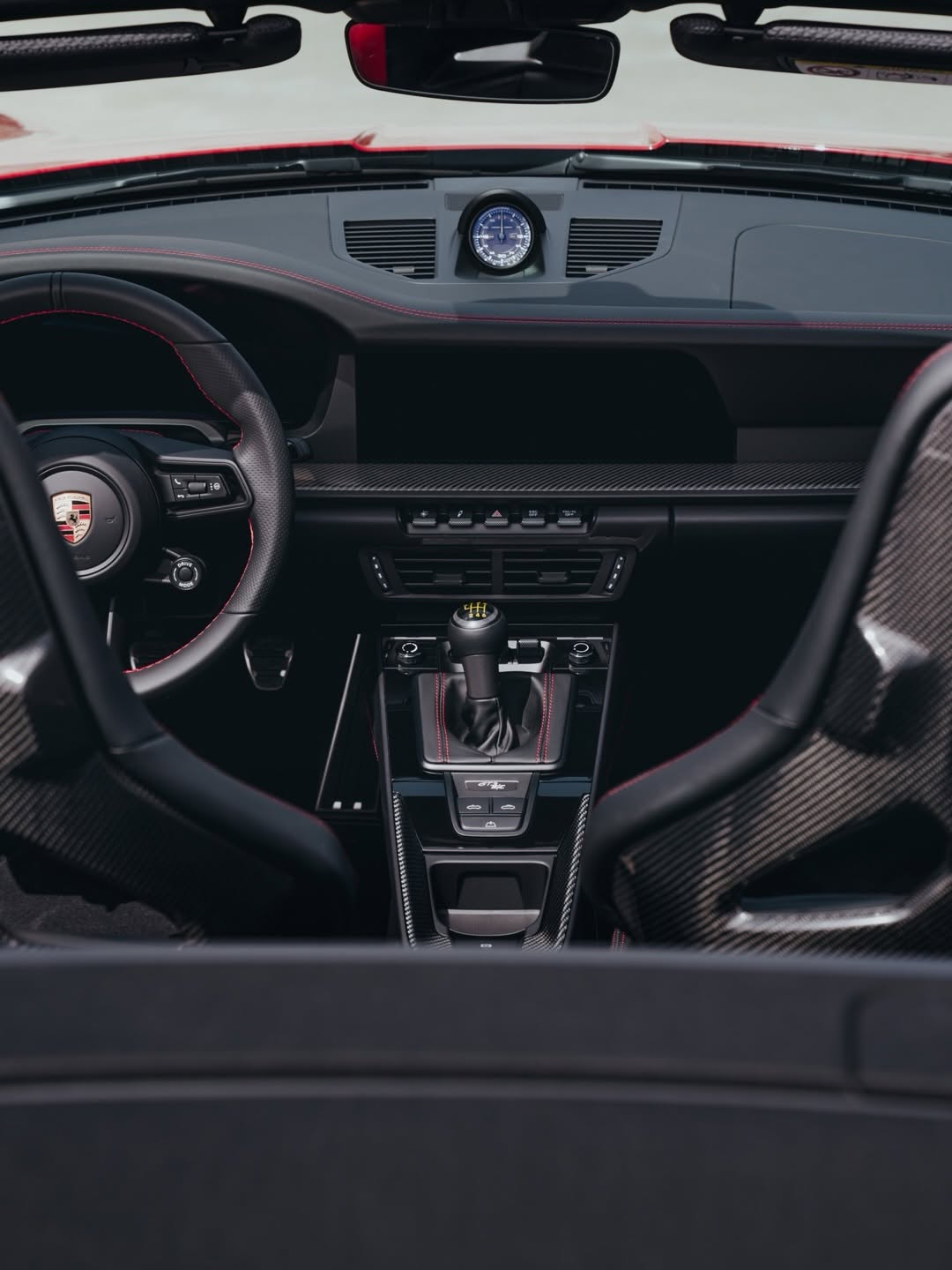
The engine is the same 4.0-liter naturally aspirated flat-six that defines the GT3 range. It makes 510 PS, 450 Nm of torque, and revs to 9,000 rpm. None of those numbers are softened by the convertible conversion. The transmission is an exclusively manual 6-speed GT sports unit with a lightweight, short-throw throw. There is no PDK option on this car. That absence is a design decision, not an oversight.
With the roof open at highway speeds, the redline at 9,000 rpm becomes audible in a way the coupe never permits. The flat-six's mechanical scream, which is already the best-sounding production engine in the segment alongside the GMA T.50, now exists at atmospheric pressure rather than bouncing off a fixed cabin. That changes the experience more than any spec sheet figure.
Carbon From the S/T, Magnesium From the Wheel Lab
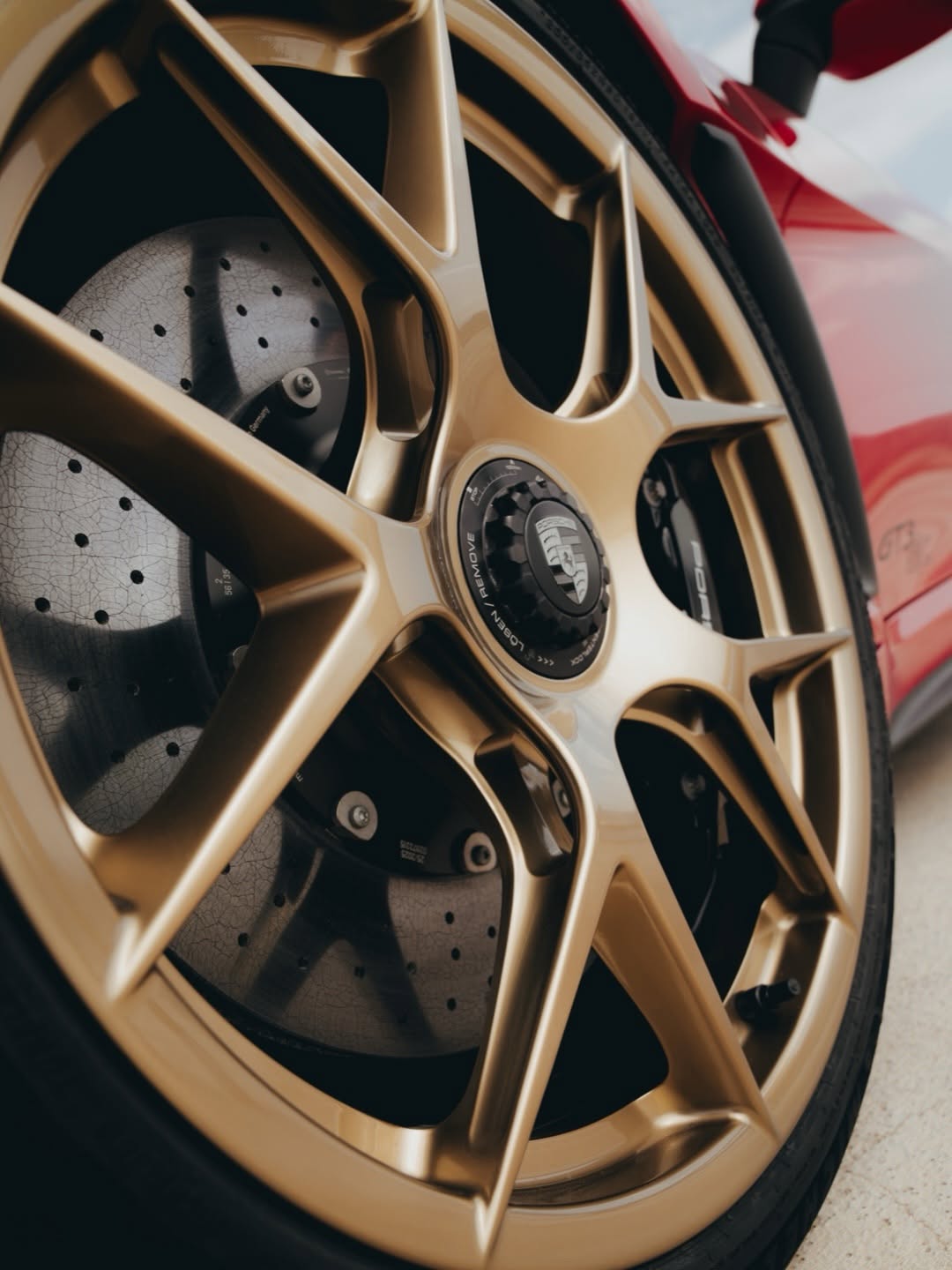
The weight target required Porsche to pull parts from the limited-run 911 S/T. The GT3 S/C's carbon-fiber bonnet, front wings, and doors all come from that program. The magnesium forged wheels are also S/T-derived. The resulting weight of 1,497 kg is 40 kg lighter than a spec'd GT3 Touring coupe despite carrying the additional mass of the retractable soft-top roof mechanism.
The front axle is a double-wishbone setup. This is new for an open-top 911. Every previous convertible 911 used the MacPherson strut configuration from the standard chassis. The GT3 S/C adopts the GT3 coupe's double-wishbone geometry, which enables better camber control under hard cornering and sharper front-end response. PASM suspension is fitted with sport setup, lowered 20 mm from the base 911. Porsche Ceramic Composite Brakes come standard.
A Soft-Top That Operates at 60 km/h
The roof is fully automatic and operates at speeds up to 60 km/h. That specification matters because it means you can open the roof while exiting a motorway without stopping. On a track day, you will leave it down. In the alps, which is where this car is clearly intended to be driven, you will use the 60 km/h provision constantly because mountain pass speeds and topography are not coupe-friendly decisions.
The windshield surround is finished in black, a reference to the Speedster models in Porsche's history. The Street Style Package option allows further paint customization. This is not a limited-production vehicle, unlike the S/T or the 964 Speedster, which means it enters the GT3 ordering queue as a catalog model available to any qualified buyer.
$345 per Kilogram Logic
The GT3 S/C enters a market where McLaren, Ferrari, and Lamborghini all sell high-performance convertibles above $300,000. The Porsche is notably less expensive while achieving performance numbers that require the competition to qualify their comparisons with caveats about comfort and grand touring range. The 3.9-second 0-100 km/h time and 313 km/h top speed are achieved with a roof mechanism, a manual gearbox, and bodywork borrowed from a car that costs nearly twice as much used.
Ferrari built a 812 GTS. Lamborghini built a Huracan Evo Spyder. Both are turbo-assisted. The GT3 S/C is naturally aspirated to 9,000 rpm in the open air, in the hills, with a gear lever that requires you to understand what you are doing. That is either the last of something or the beginning of a very specific argument about what performance means in 2026.
Related Reading
- DANIEL ARSHAM VANILLA YELLOW PORSCHE 993A
- Porsche 911 GT3 S/C Opens the Roof on 4.0L Flat Six Power
- SCHUPPAN 962CR FAILED SUPERCAR PROJECT RESURFACES IN DESIGN STUDY
Related: Porsche 911 GT3 S/C Street Style Package Adds Pyro Red at $273,000.
Frequently Asked Questions
What does S/C stand for on the Porsche 911 GT3 S/C?
S/C stands for Sport Cabriolet. It is the first fully convertible GT3 with double-wishbone front suspension and carbon-fiber bodywork from the 911 S/T.
How fast is the Porsche 911 GT3 S/C?
The GT3 S/C does 0-100 km/h in 3.9 seconds and reaches a top speed of 313 km/h (194 mph).
Is the 911 GT3 S/C limited production?
No. Unlike the 911 S/T or 964 Speedster, the GT3 S/C is a standard catalog model available through normal Porsche dealer ordering.
Topics: focus-61-51, naturally-aspirated, design, open-top, porsche, performance-cars, sport-cabriolet, 911-gt3, ferrari, lamborghini, porsche-sc