Porsche's 1980 Apple Livery Is Back at Laguna Seca — Here Is the Math
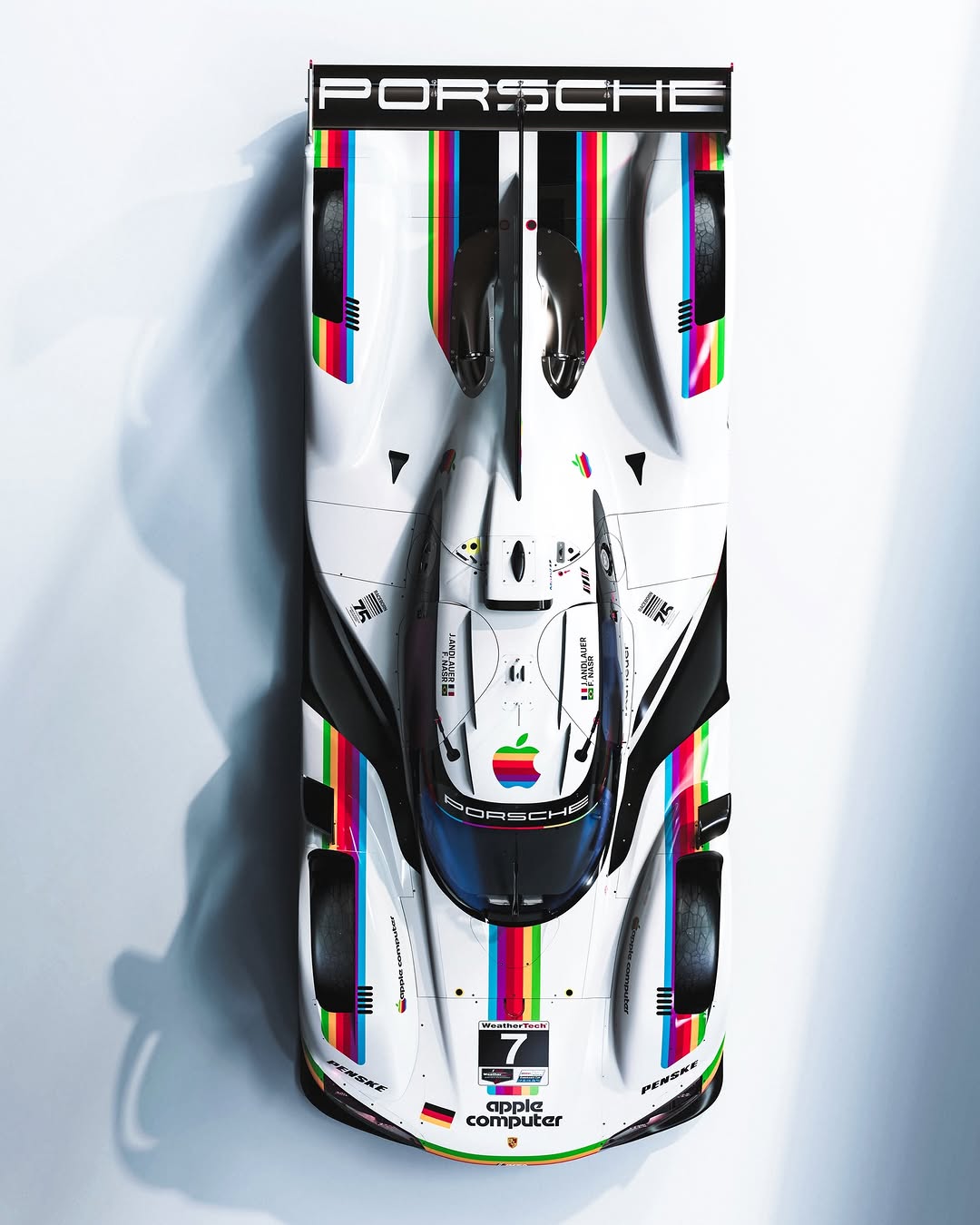
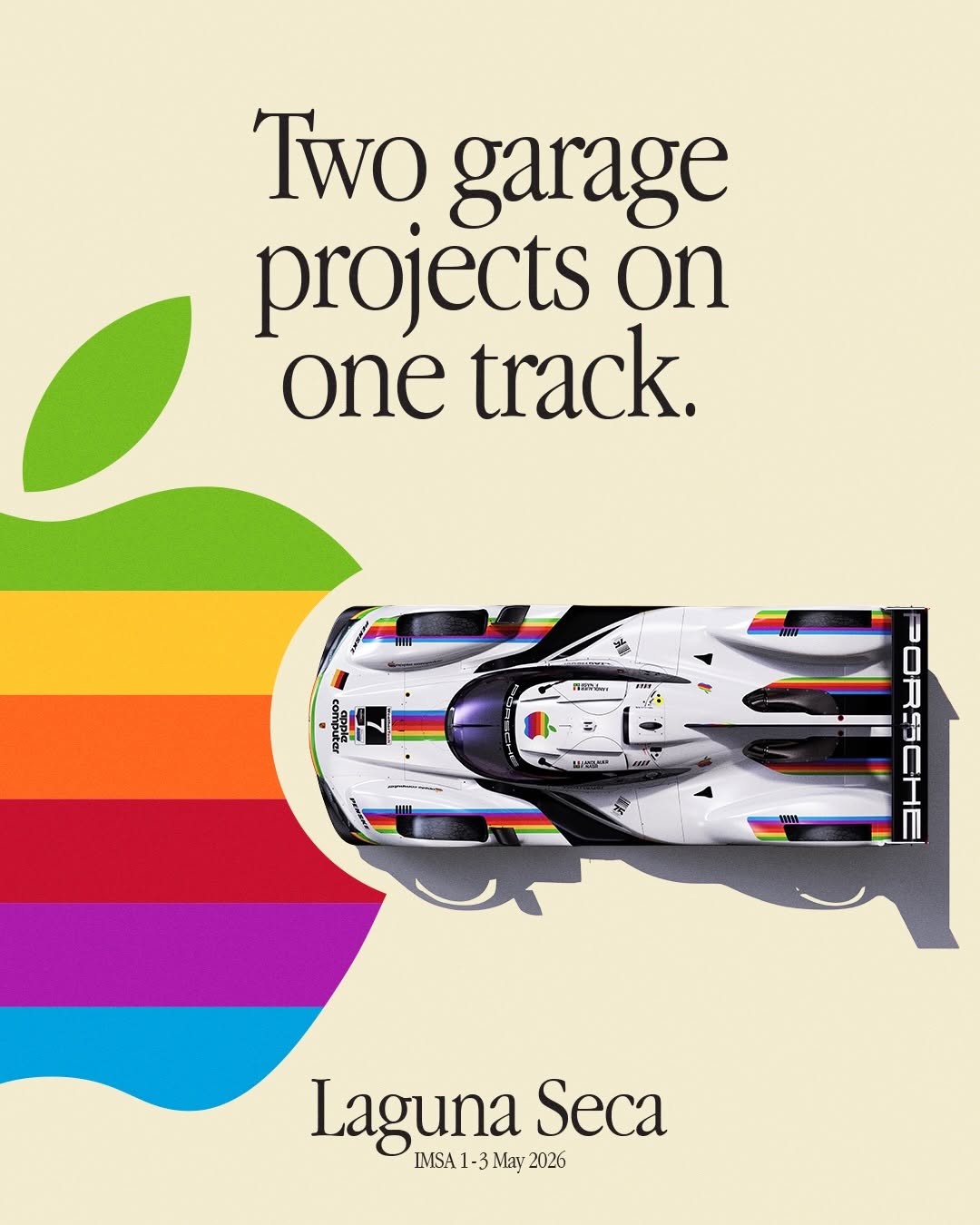
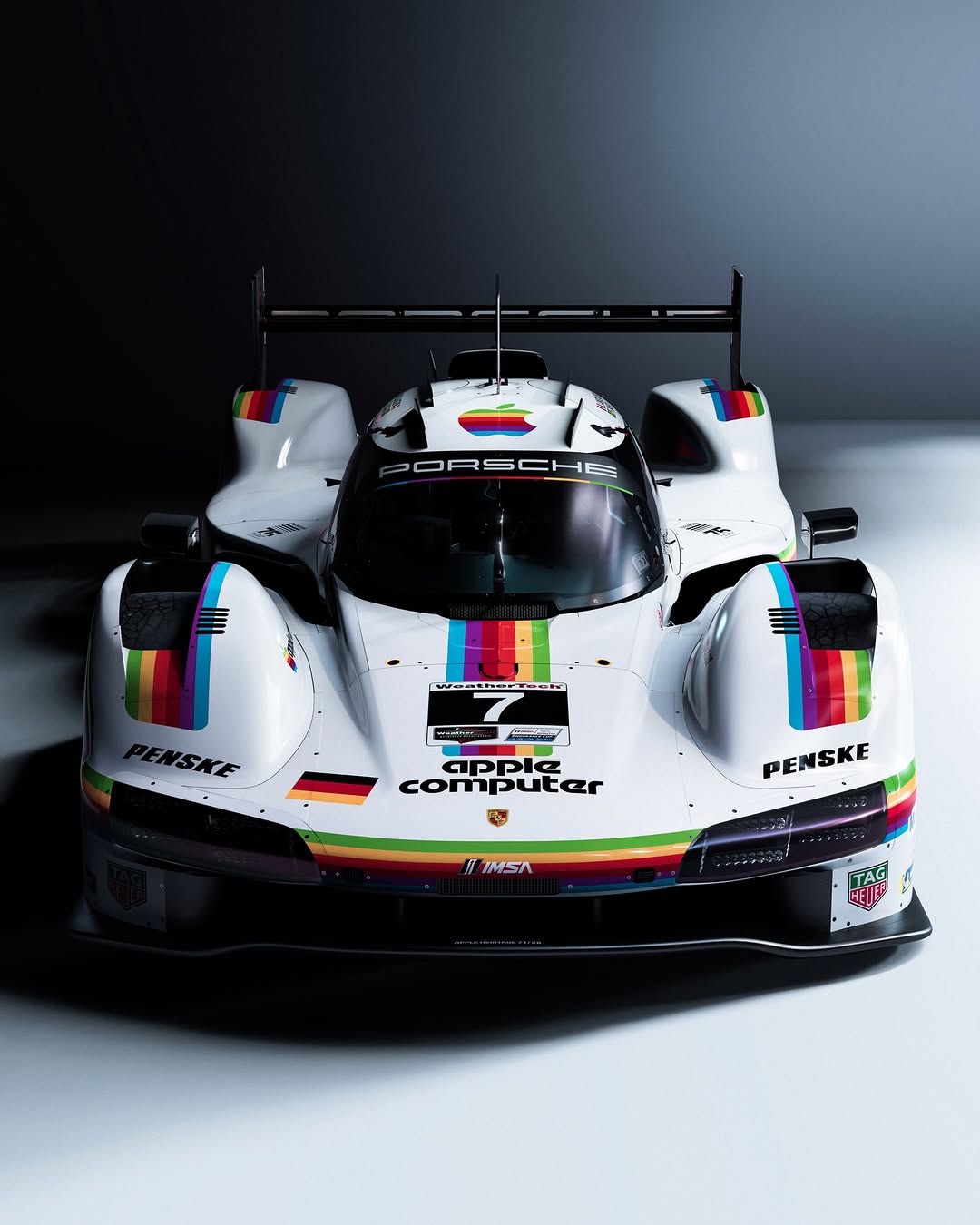
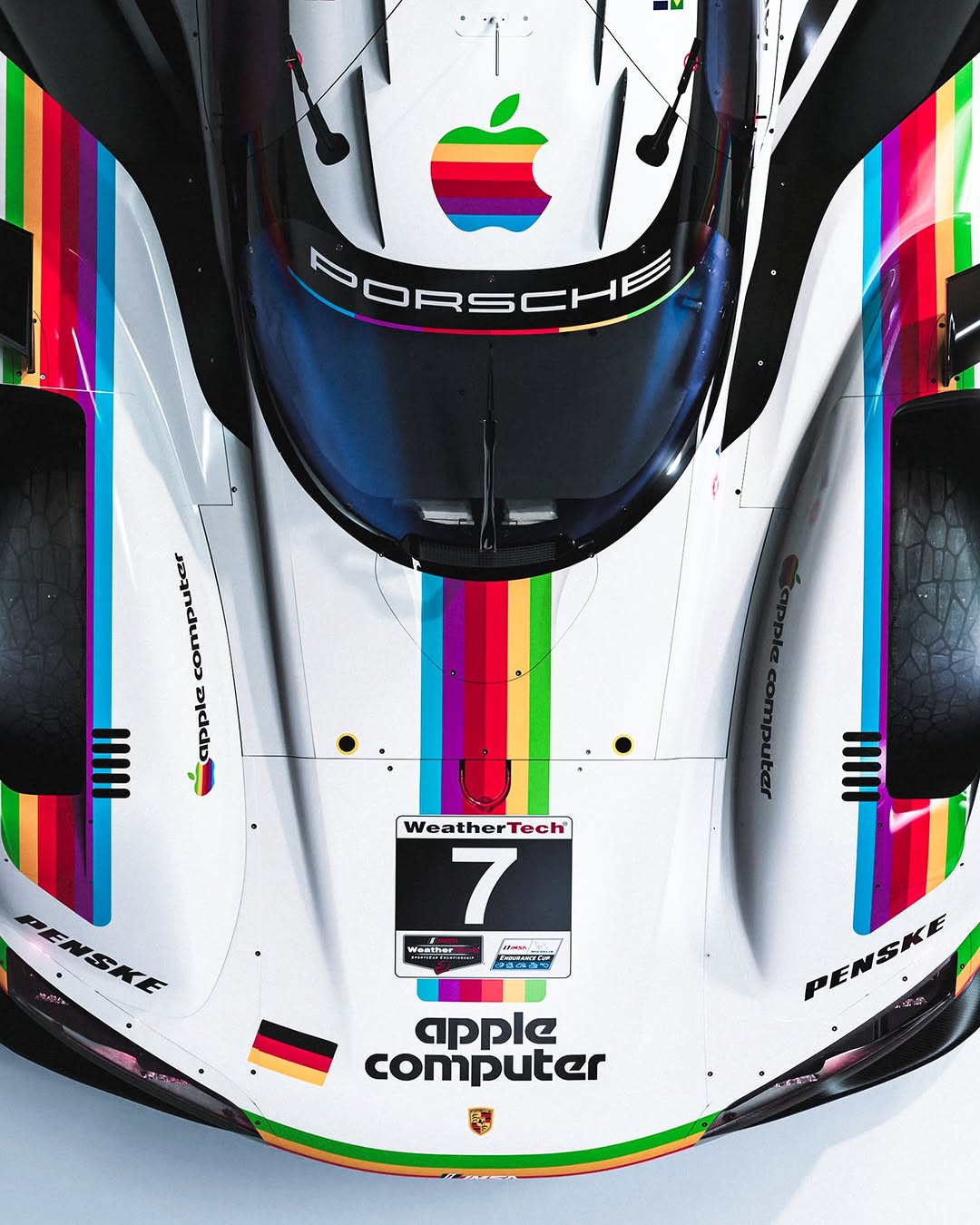
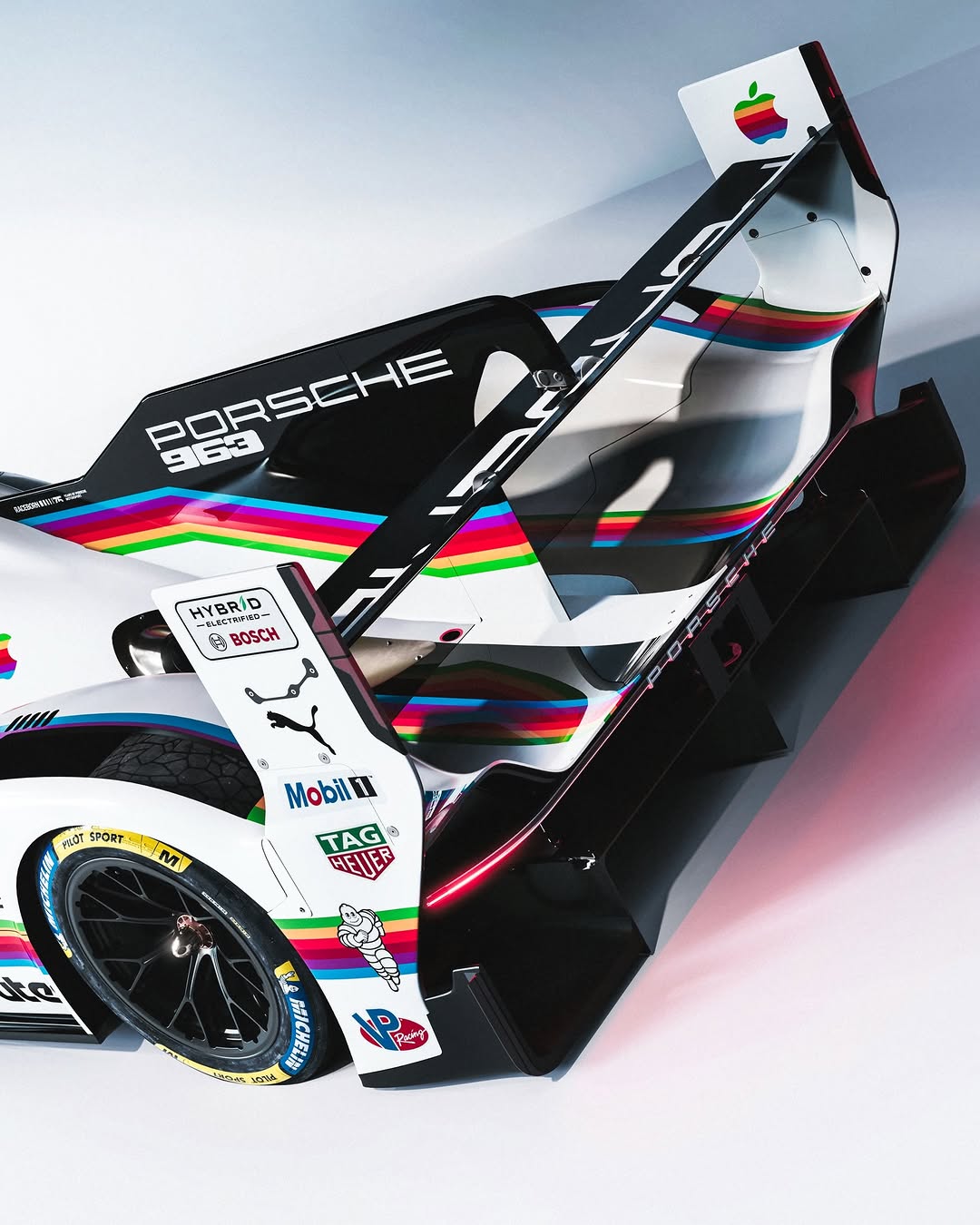
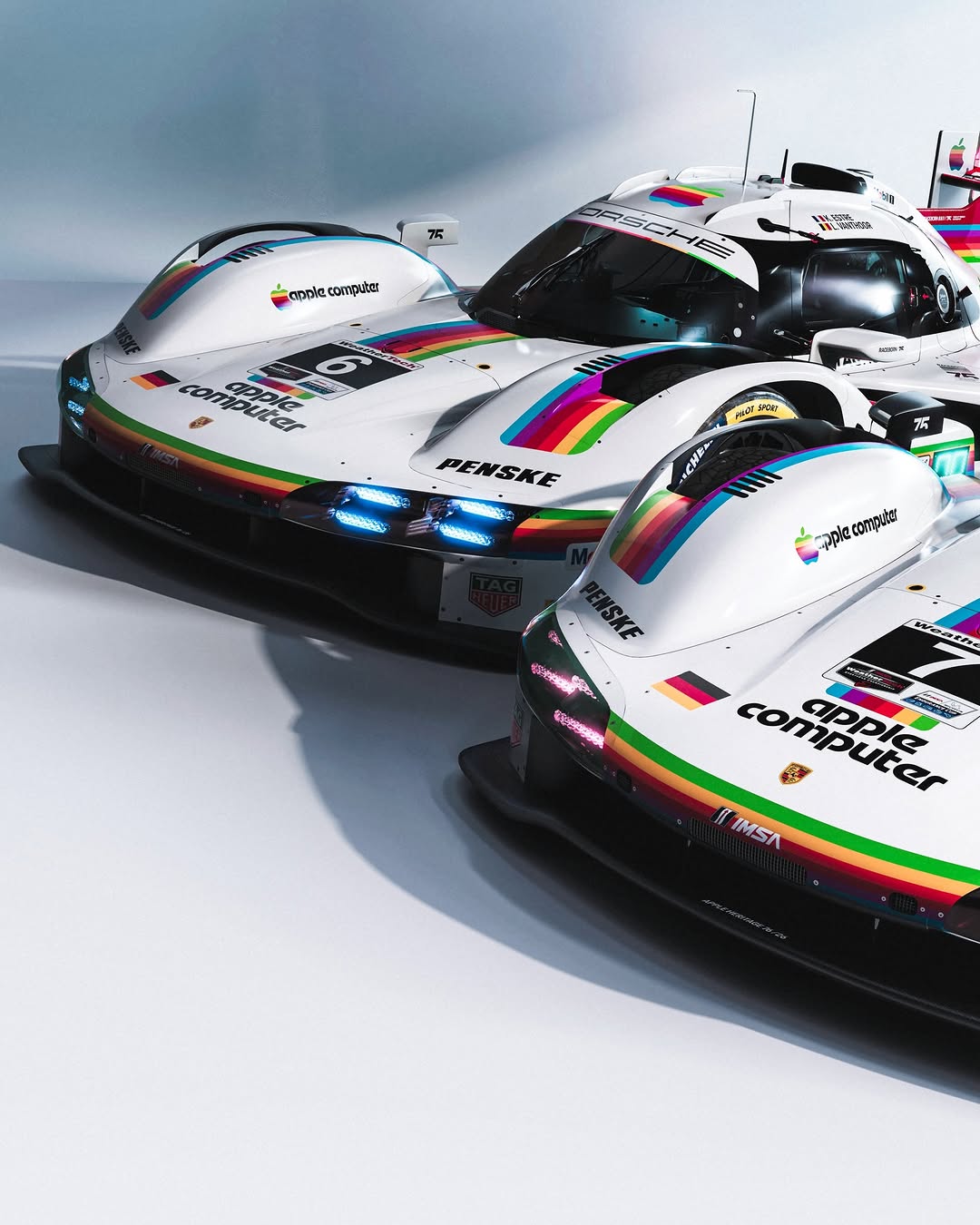
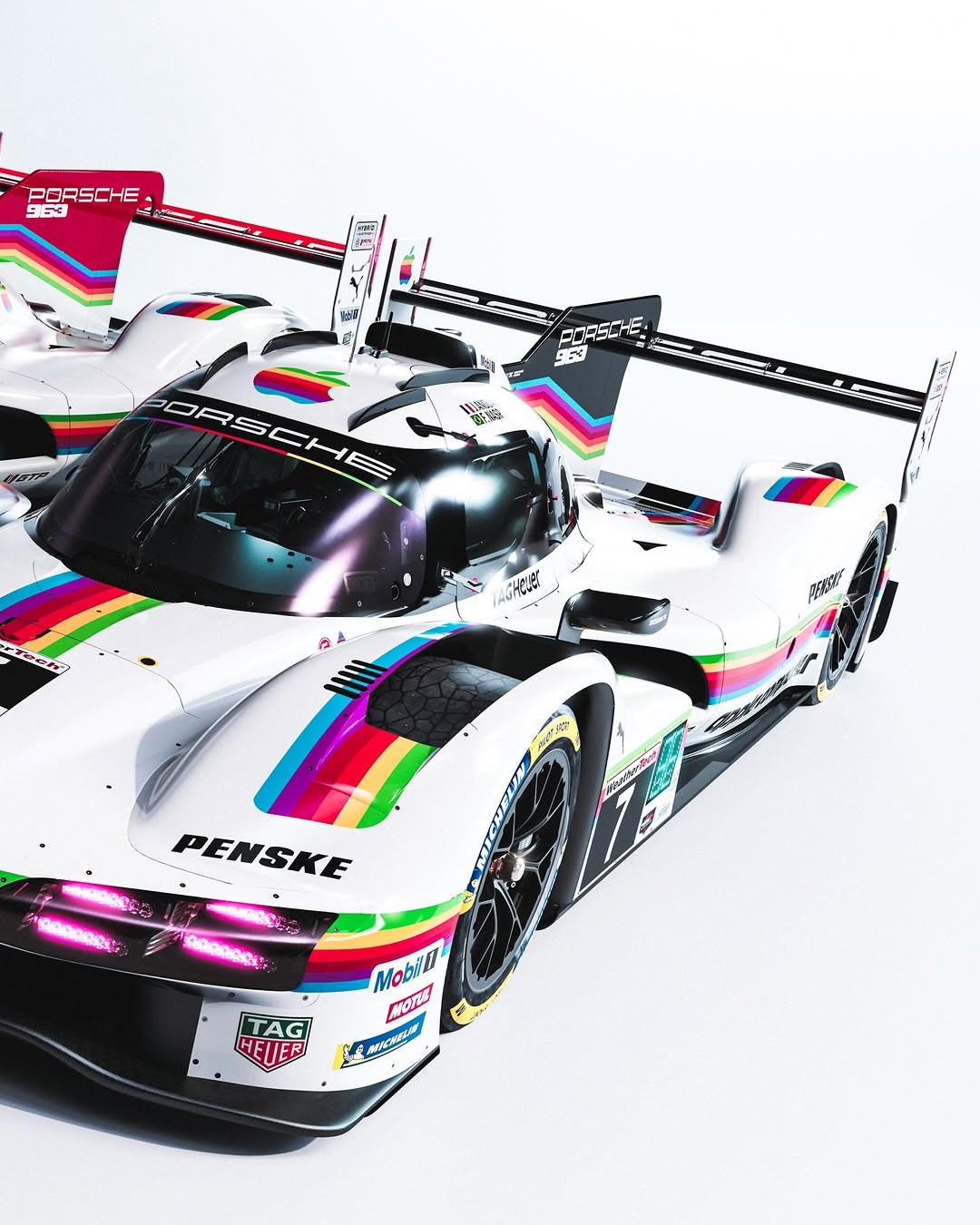
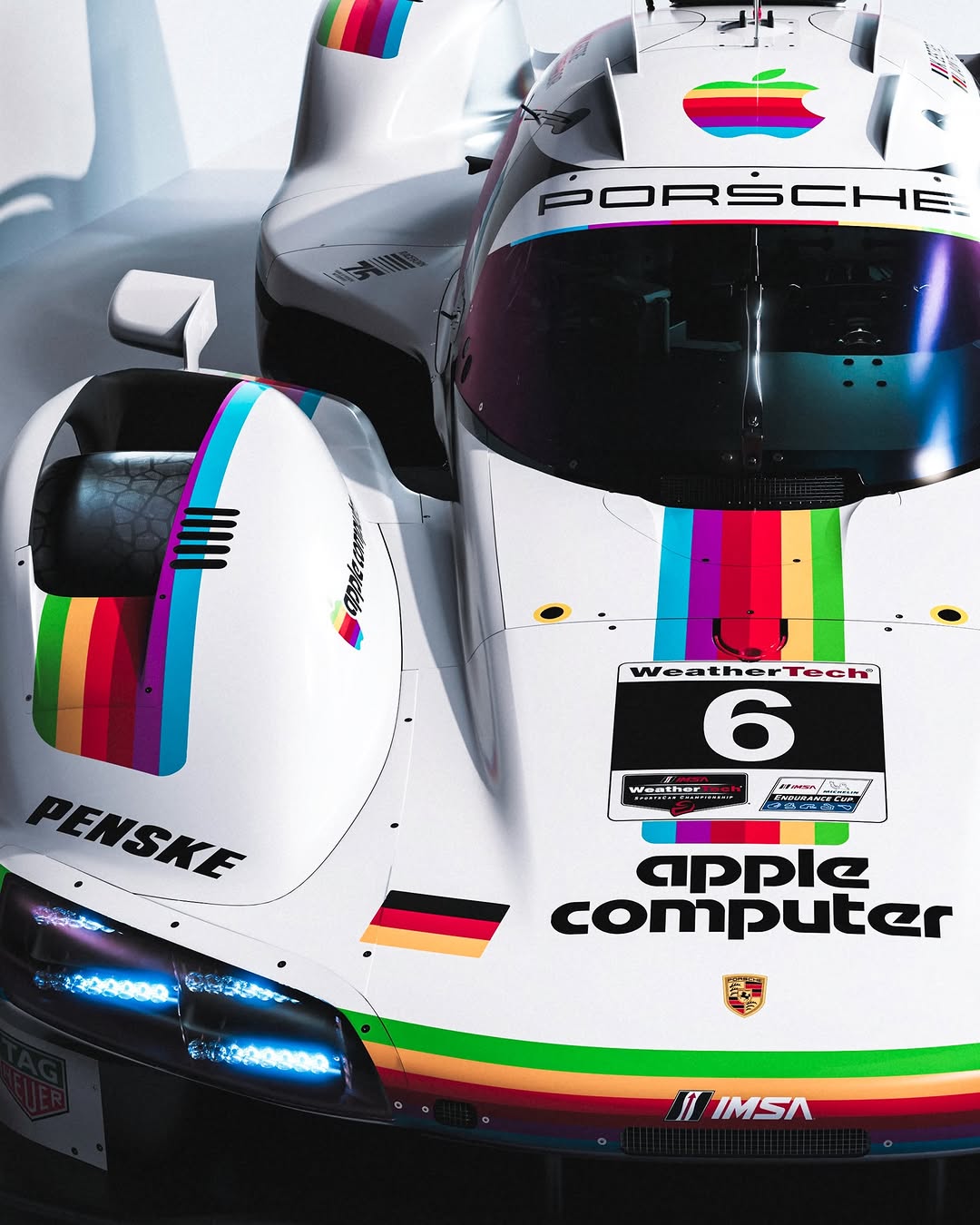
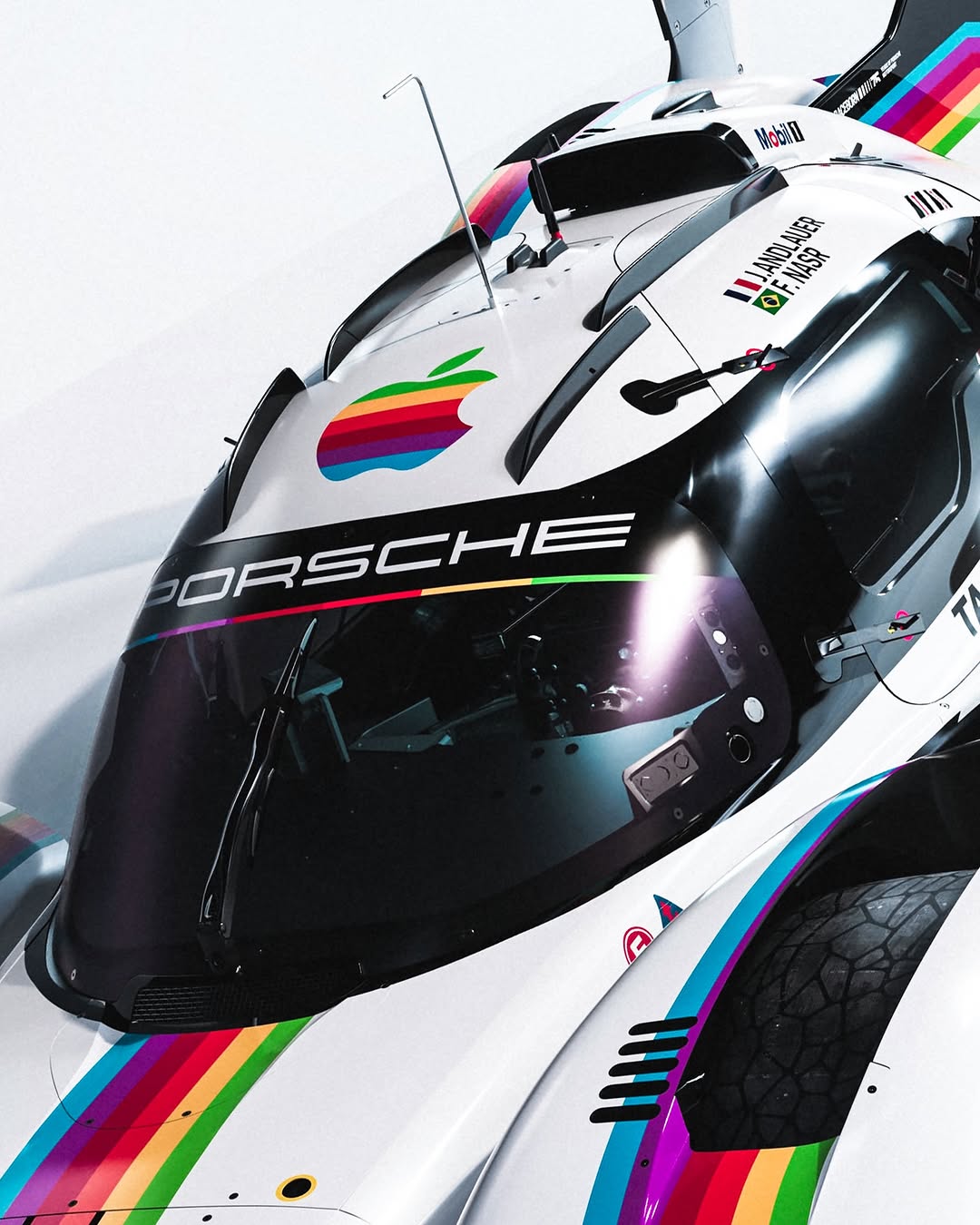
Porsche Penske Motorsport is running a recreation of the 1980 Apple Computer rainbow livery at Laguna Seca IMSA (May 1-3, 2026), timed to celebrate Apple's 50th anniversary and Porsche Motorsport's 75th. The original Dick Barbour 935 K3 wore the six-color rainbow at Le Mans 1980. Porsche's design team scaled the livery to the modern 963 LMDh chassis over eight weeks.
Key Points
- Porsche's Apple livery recreates the 1980 Dick Barbour 935 K3 that finished 5th at Le Mans — scaled to the 963 chassis.
- Apple's sports rights spend hit $2.5B in 2025; the Laguna Seca livery crossed into cultural legacy territory beyond music.
- Porsche called this "one more race" in the Apple livery — the Laguna Seca weekend is the final 1980 recreation.
The Dick Barbour Racing Porsche 935 K3 wore a rainbow spectrum Apple Computer livery at the 1980 24 Hours of Le Mans. It finished fifth. That detail has lived in motorsport archive pages and automotive photography books for 46 years. This weekend at WeatherTech Raceway Laguna Seca, the Porsche Penske Motorsport team is running that exact livery on both of its factory Porsche 963 LMDh cars.
This is not a throwback. It is two companies with aligned anniversary dates realizing they can share one canvas.
Apple Was 4 Years Old When This Livery Last Raced
Apple Computer Inc. was founded April 1, 1976. In 2026, the company turns 50. Porsche Motorsport was founded in 1951; 2026 marks its 75th anniversary. The Laguna Seca race weekend, May 1-3, is the first event in the 2026 IMSA WeatherTech SportsCar Championship that falls inside both anniversary windows simultaneously.
That calendar alignment is not a coincidence. Porsche and Apple have had a formal partnership since the Porsche 963 ran an Apple Music livery at the Long Beach Grand Prix earlier this season. That was the first collaboration. Laguna Seca is the upgrade: instead of an Apple Music branding exercise, it is a historical recreation. The 1980 Le Mans car, the Barbour 935 K3, wore rainbow stripes because that was Apple's logo before the monochrome bite. Six colors, horizontal bands, no digital gradient.
The 2026 Laguna Seca version replicates those six colors on a carbon-fiber chassis that weighs 1,030 kg and produces 680 horsepower from a 4.6-liter twin-turbo flat-six. The surface area of the 963's bodywork is roughly three times that of the 935 K3. Porsche's design team spent eight weeks scaling the original color proportions to the larger profile without distorting the optical reference.
963 vs 935 K3: What the Livery Is Actually Riding On
The Dick Barbour 935 K3 was based on the street-legal Porsche 930 Turbo, modified to Group 5 racing specifications. It was air-cooled, rear-engined, making somewhere between 750 and 900 horsepower depending on boost pressure and the specific Le Mans configuration. It finished fifth overall at Le Mans 1980 with John Fitzpatrick, Rolf Stommelen, and Barbour himself sharing duties.
The 963 is a different proposition. LMDh regulations require a hybrid powertrain sharing a common spec unit from Bosch. The Porsche 963 uses a 4.6-liter twin-turbo engine paired with that Bosch hybrid system for a combined output of 680 horsepower, a figure that sounds conservative until you factor in the weight distribution, the aero load at 240 km/h through the Corkscrew, and the tire management required over a six-hour stint.
Laguna Seca's Corkscrew is the technical test that separates the factory programs from the privateer entries. The elevation drop through Turns 8 and 8a is 5.7 meters in 55 meters of track. Brake bias settings are circuit-specific; teams spend the first practice session collecting data on the exact balance required to carry speed through the right-hander at the bottom without destabilizing the rear.
The $15 Billion Reason Apple Keeps Showing Up in Motorsport
Apple's sports rights spending in 2025 was approximately $2.5 billion, up from $1.8 billion in 2024. Most of that is Formula 1 via the Apple TV deal that includes the F1 movie sequel, the documentary series running in parallel with the 2026 season, and the behind-the-scenes access that comes with official broadcast partner status in 14 markets.
IMSA is a different calculation. The Apple Music livery at Long Beach got $40 million in earned media value according to motorsport sponsorship analytics firms that track social impression counts, broadcast visibility, and editorial coverage. The Laguna Seca livery, because it references 1980 Apple Computer rather than Apple Music, crosses into a cultural register that the music streaming brand cannot reach alone. It is the difference between a logo placement and a story.
That distinction matters for what Apple's brand team is building in 2026. The company is 50. It is in a period of deliberate legacy management: the anniversary MacBook Pro launched in January at a price point that was specifically designed to reference the original Mac's 1984 retail introduction. The Laguna Seca livery is the motorsport version of that move.
One Race Left in the Rainbow
Porsche Motorsport's public statement called this "one more race" in the Apple livery. That framing suggests the Laguna Seca weekend is the final appearance of the 1980 recreation before both companies move to whatever Phase 2 of their partnership looks like. A car that ran the rainbow at Le Mans in 1980 and ran it at Laguna Seca in 2026 has completed a narrative arc.
The question is whether it wins. The Barbour 935 K3 finished fifth in 1980. The 963 is currently second in the IMSA GTP standings. If Porsche Penske takes the overall win at Laguna Seca in the Apple livery, the story writes itself and probably ends up in an Apple anniversary video before June.
Related Reading
- Dick Barbour's 1980 Porsche Wore Apple's Logo. Porsche Penske Ran It Back at Laguna Seca.
- Porsche and Apple Music Ran the Same Livery at Long Beach
- PORSCHE REVEALS SONDERWUNSCH 911 S/T COPPA FLORIO HOMAGE
Frequently Asked Questions
What is the Porsche Apple livery at Laguna Seca 2026?
Porsche Penske Motorsport is running a recreation of the iconic 1980 Dick Barbour Racing Apple Computer rainbow livery on both factory Porsche 963 LMDh entries at the IMSA Laguna Seca race May 1-3, 2026, celebrating Apple's 50th and Porsche Motorsport's 75th anniversaries.
When did Porsche first run an Apple livery?
The original Apple Computer rainbow livery appeared on the Dick Barbour Racing Porsche 935 K3 at the 1980 24 Hours of Le Mans, finishing fifth. In 2026, Porsche ran an Apple Music livery at Long Beach before recreating the 1980 design at Laguna Seca.
What car is Porsche racing at Laguna Seca 2026?
Porsche Penske is racing the Porsche 963 LMDh, a 680-horsepower hybrid prototype compliant with IMSA LMDh regulations. The 963 weighs 1,030 kg and uses a twin-turbo 4.6-liter flat-six paired with a Bosch hybrid system.
Topics: motorsport, apple-livery, dick-barbour, apple-music, formula-1, focus-86-100, apple music, endurance-racing, apple-tv, laguna-seca, porsche, tech, formula 1, porsche-963, apple, imsa, apple tv