NIKE'S SWOOSH TRACES BACK TO A 1971 STUDENT DESIGN
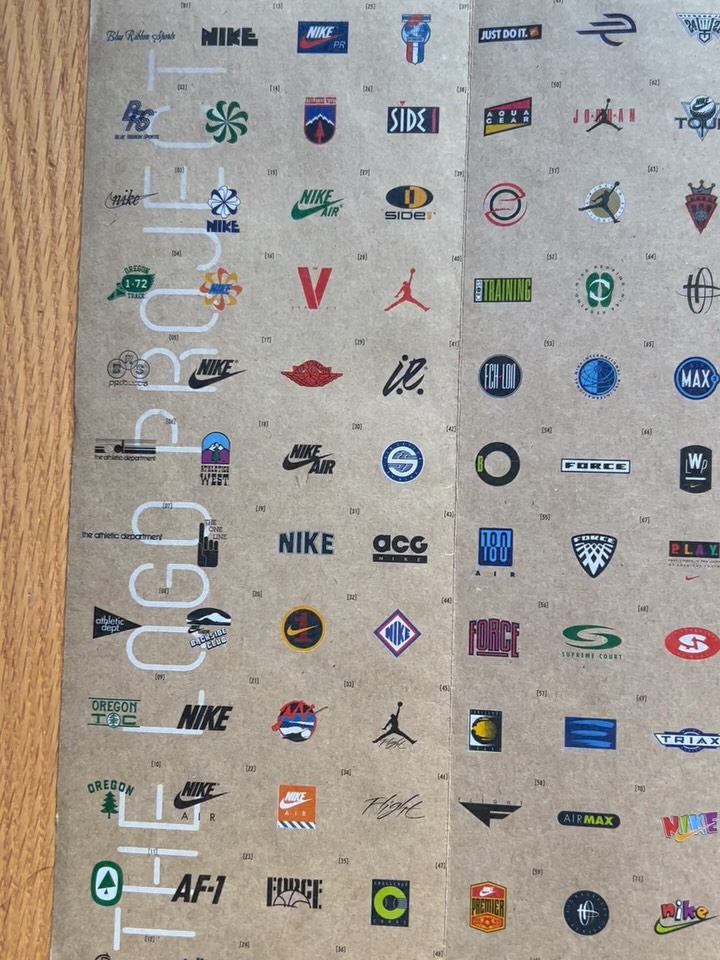
The Nike Swoosh was designed in 1971 by Portland State student Carolyn Davidson for a $35 fee. Nike later gave her Nike stock and dropped the accompanying wordmark from its logo in 1995, leaving the swoosh as the brand's sole mark.

Key Points
- Carolyn Davidson designed the Nike Swoosh in 1971 for $35, then received 500 Nike shares in 1983.
- Nike paired the Swoosh with a Futura Bold wordmark from 1978 until dropping it in 1995.
- Nike's DNA archive holds over 200,000 artifacts, first opened to outsiders by Vitra in 2024.
Nike's swoosh logo history began in 1971, when a Portland State University design student named Carolyn Davidson sketched it for a small Oregon running shoe company for a total fee of $35. The company was Blue Ribbon Sports, about to rename itself Nike, and the mark she drew has not changed its basic shape in more than fifty years even as almost everything else around it did.
Carolyn Davidson Sketched It in 1971
Phil Knight, the company's cofounder, taught accounting part time at Portland State and hired one of his students, Carolyn Davidson, to design a logo for the shoes he was importing and selling out of his car. He paid her two dollars an hour. Davidson billed the company for 17.5 hours of work on the swoosh, which came to $35, worth about $278 today. Knight is the founder behind who founded Nike, the University of Oregon partnership with coach Bill Bowerman that started Blue Ribbon Sports in 1964. Davidson's brief was simple: something that suggested motion and looked nothing like Adidas's three stripes or the Onitsuka stripe Blue Ribbon had been reselling up to that point.
1972. The Cortez Wears It First.
Blue Ribbon Sports filed to trademark the swoosh in January 1972, and the mark reached runners for the first time that year on the Nike Cortez, the company's first shoe sold under its own name rather than a reseller's. Steve Prefontaine, one of Nike's earliest sponsored athletes, wore the Cortez on the track in 1972, giving the new mark its first real audience outside the company's own catalog. Within a year the Cortez was one of the best selling training shoes in the country, and the swoosh went from a $35 sketch to a shoe box logo people recognized on sight. Half a century later the same mark still shows up on niche releases like the Nike SB Vault 7 built for Yuto Horigome, unchanged in shape since Davidson drew it.
A Dinner, a Ring, Five Hundred Shares
Davidson did not get rich off her original fee, at least not right away. In 1983, three years after Nike's 1980 stock offering, the company invited her back for a surprise reception, gave her a gold ring shaped like the swoosh, and handed her an envelope containing 500 shares of Nike stock, worth about $8,500 at the time. She never sold a share. Decades of stock splits are reported to have grown that holding to roughly 32,000 shares, a stake later estimated at several million dollars, on top of the ring itself. The company that once paid its logo designer $35 ended up paying her back in a currency that compounds.
Nike Dropped Its Own Name in 1995
The swoosh spent its first two decades sharing space with Nike's own name. In 1978, the company retired its cursive script wordmark for an all caps NIKE set in Futura Extra Bold Condensed, locked into the arc of the swoosh on shoe boxes and apparel. That pairing lasted until 1995, when Nike dropped the wordmark entirely and let the swoosh stand alone as its primary mark, a bet that decades of sponsorship and advertising, from Wembanyama's alien logo deal to the brand's ongoing NBA jersey contract through 2037, have kept paying off. Few companies try cutting their own name off a logo without an established mark behind them, and even fewer succeed, which is why Nike still gets cited as the example whenever a rebrand considers it. Adidas runs a version of the same origin play with its own name, and why Adidas is named Adidas draws the same kind of search traffic Nike's logo history does. Even outside sneakers the pattern holds: YouTube kept its name from a dating site that failed first, proof a brand's origin story sells regardless of category, as long as a company can point to a specific fact rather than a marketing deck.
The Company Kept a Secret Archive for Decades
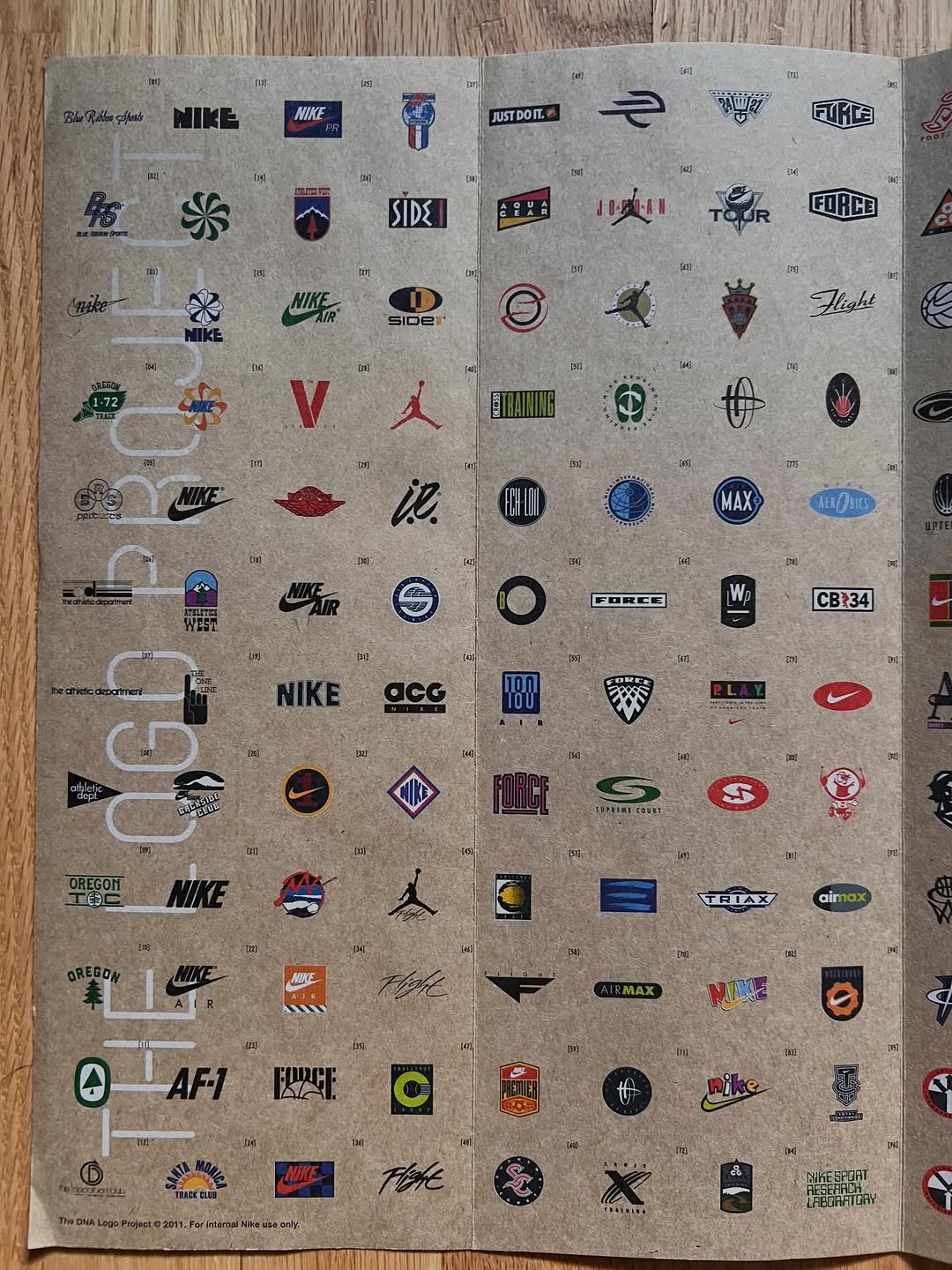
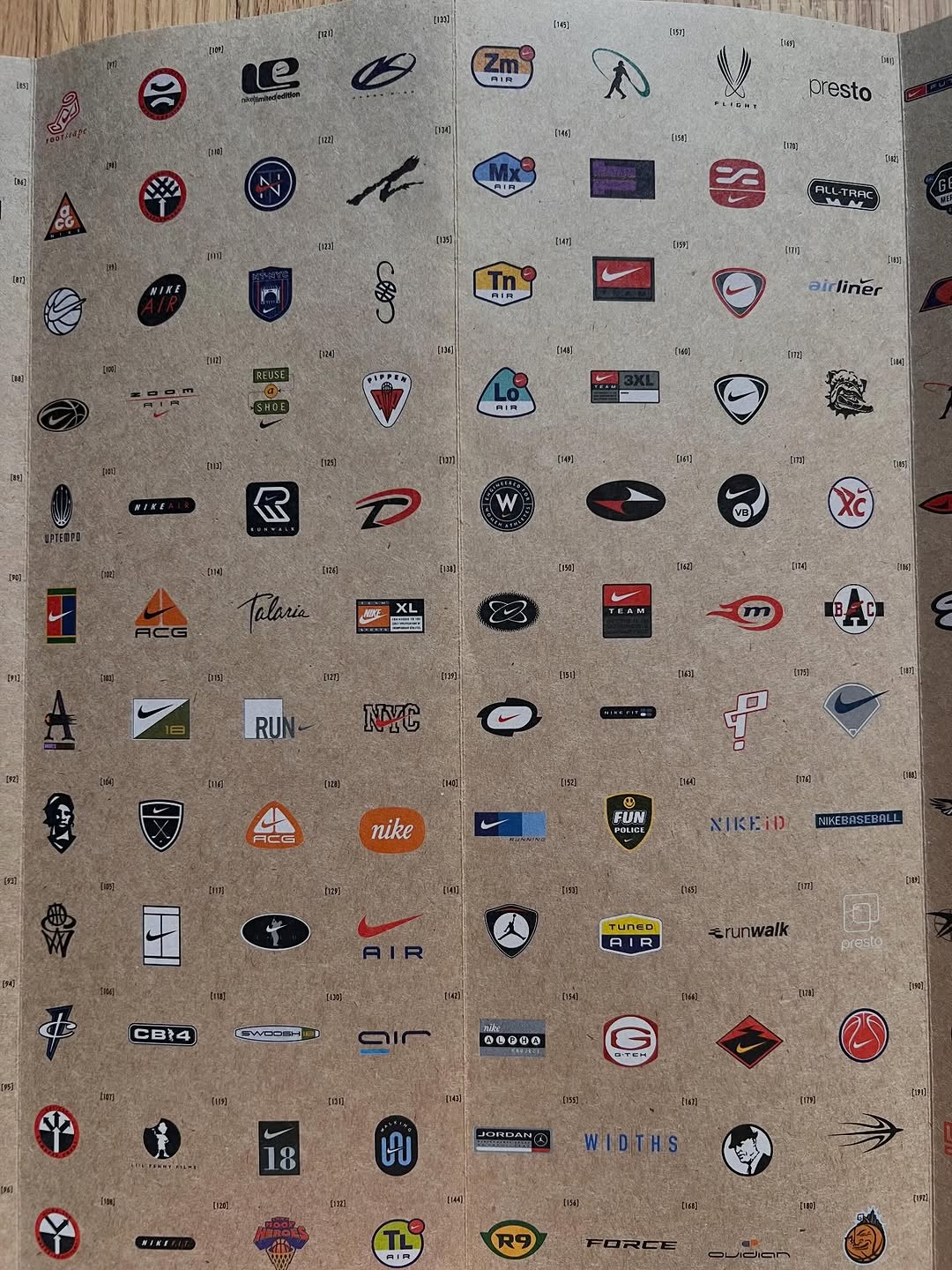
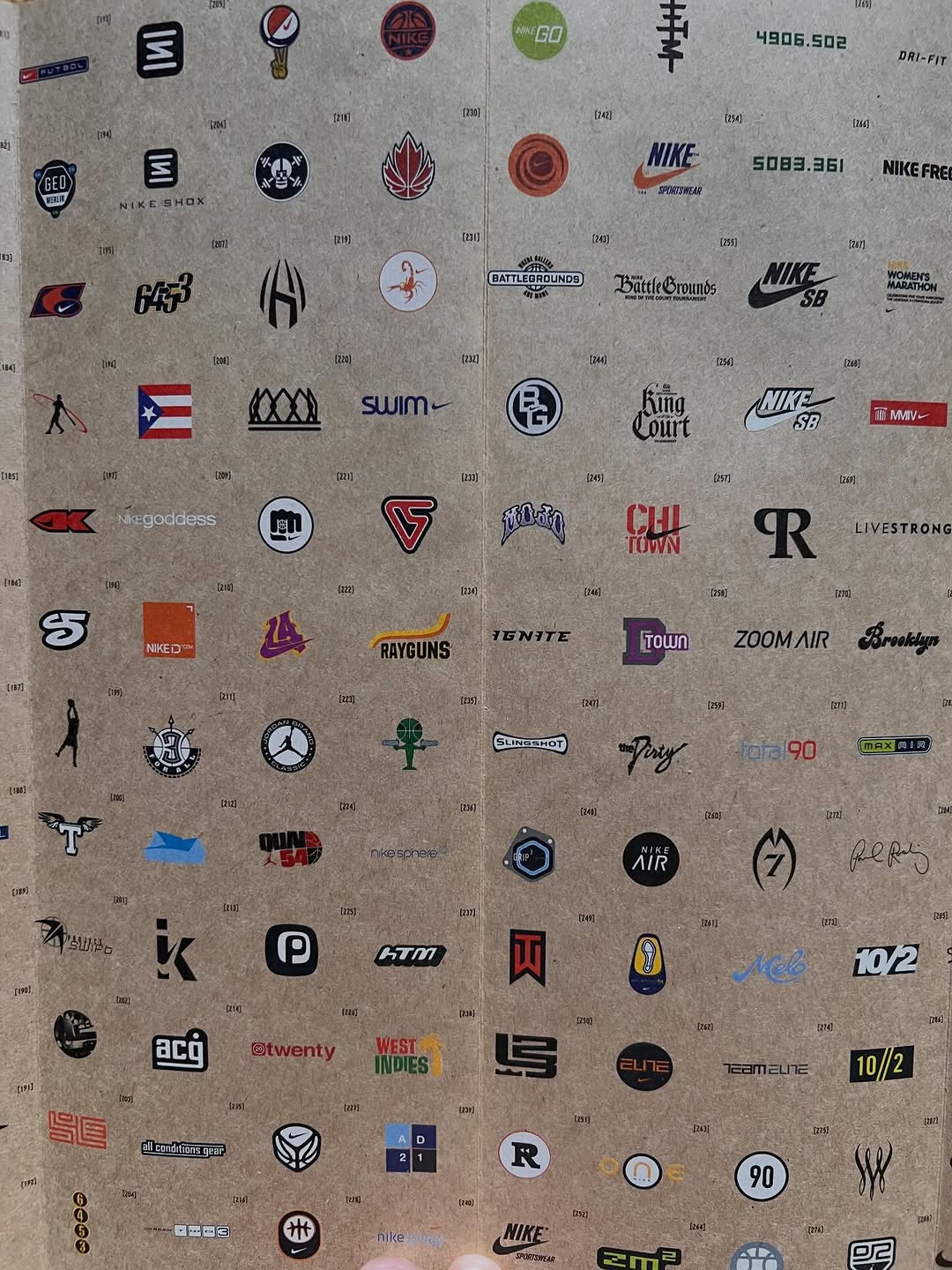
Nike's internal name for its brand history is the Department of Nike Archives, or DNA, a collection that grew informally out of the company's own product rooms in the 1970s before Nike formalized it as DNA in 2006. The Beaverton, Oregon facility now holds more than 200,000 documented artifacts, from early swoosh sketches to sneaker prototypes that never shipped, and for most of its life it stayed closed to anyone outside the company.
Forget the Logo. Look at the Archive Vault.
In 2024, Nike let an outside institution into that vault for the first time, giving the Vitra Design Museum full access to build a public exhibition on Nike's design history, the first time DNA's holdings were shown outside the company. That decision reframes the $35 sketch story. Nike spent five decades building an internal mythology around a logo it once treated as a favor from a student, then opened the vault only after the mark was already worth defending in public. The same instinct runs through Nike's crossed out logo dig at Adidas and Reebok: the swoosh is old enough now that Nike treats its own history, not just its next drop, as inventory worth protecting. The next chapter will not be a redesign. It will be another version of the 2024 exhibition, letting the outside world see a little more of the 200,000 pieces Nike has kept in Beaverton since before most of its customers were born.
Frequently Asked Questions
Who designed the Nike Swoosh logo?
Carolyn Davidson, a graphic design student at Portland State University, designed the Nike Swoosh in 1971 while working for company cofounder Phil Knight.
How much was Carolyn Davidson paid for the Nike Swoosh?
Davidson billed Nike $35 for 17.5 hours of work on the Swoosh in 1971, a fee worth about $278 in 2025 dollars.
What did Nike give Carolyn Davidson after the company went public?
In 1983 Nike gave Davidson a gold ring shaped like the Swoosh and 500 shares of Nike stock, worth about $8,500 at the time and reported to have grown into a stake worth several million dollars after later stock splits.
When did Nike drop the wordmark from its logo?
Nike dropped the NIKE wordmark from its primary logo in 1995, letting the Swoosh stand alone as its main mark.
What font did the Nike wordmark use before 1995?
From 1978 until 1995, Nike paired the Swoosh with an all caps NIKE wordmark set in Futura Extra Bold Condensed.
When was the Nike Swoosh first used commercially?
The Swoosh was trademarked in January 1972 and first appeared commercially that year on the Nike Cortez running shoe.
How many artifacts does the Department of Nike Archives hold?
Nike's Department of Nike Archives, known internally as DNA, holds more than 200,000 documented artifacts at its Beaverton, Oregon facility.
Is Nike's design archive open to the public?
Nike's DNA archive is not generally open to the public, though Nike gave the Vitra Design Museum full access in 2024 for the first public exhibition built from its holdings.
Topics: nike, swoosh, logo-history, carolyn-davidson, brand-identity, nike-archive, design-history, phil-knight