MICHAEL B. JORDAN WINS BEST LEAD ACTOR AT THE 98TH ACADEMY AWARDS FOR SINNERS

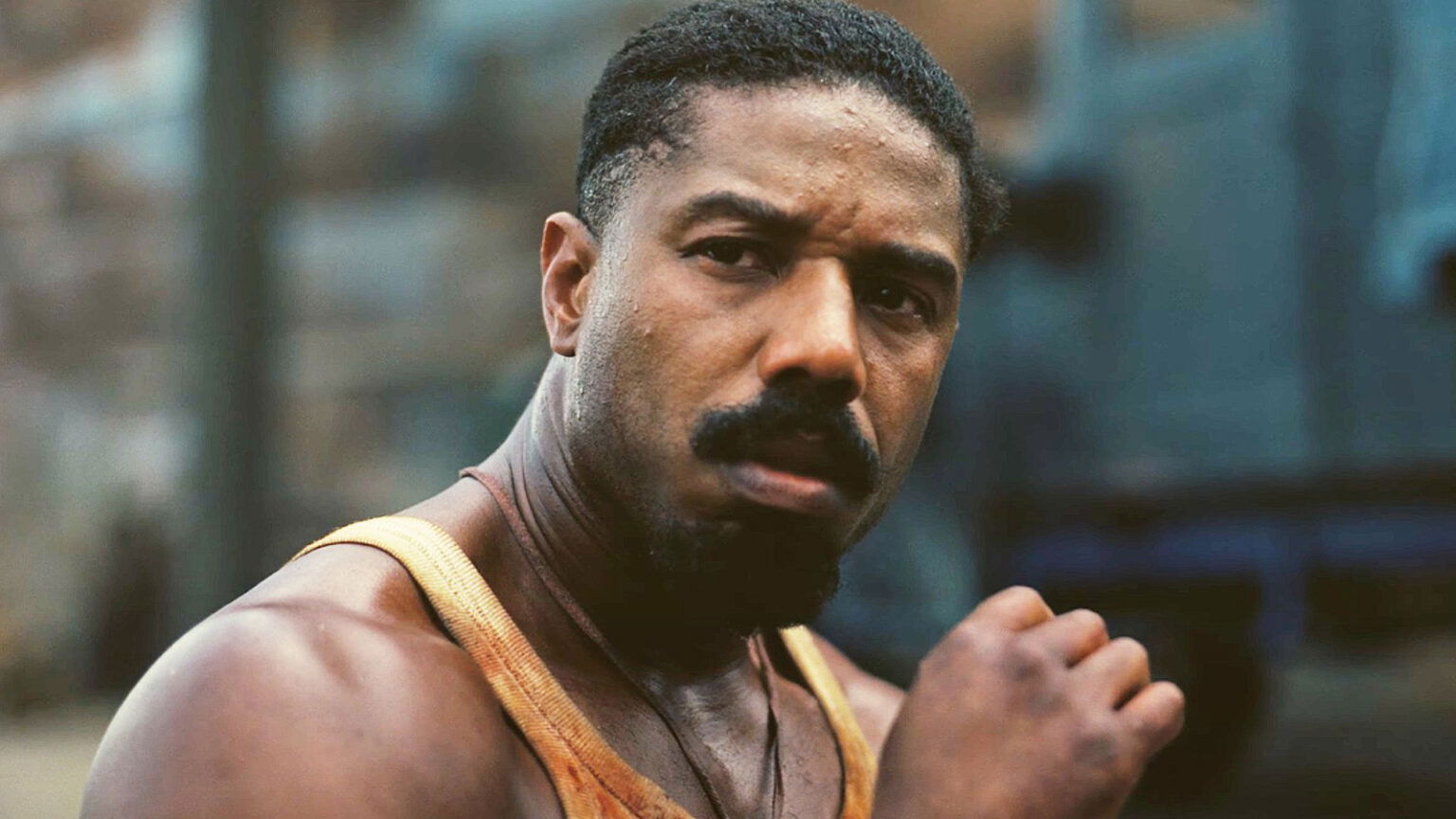
Michael B. Jordan won Best Lead Actor at the 98th Academy Awards for his dual performance in Ryan Coogler's Sinners, a vampire film set in 1930s Mississippi that earned a record 16 nominations.
Key Points
- Jordan won Best Lead Actor for his dual role as twins Smoke and Stack in Sinners, his first nomination and win
- Sinners earned a record 16 Academy Award nominations, the most for any single film in Oscar history
- The Coogler-Jordan partnership has now spanned 4 films over 12 years, from Fruitvale Station to an Oscar win
The Upset That Wasn't
Michael B. Jordan won Best Lead Actor at the 98th Academy Awards for his dual performance as twin brothers Smoke and Stack in Ryan Coogler's Sinners. It was his first Oscar nomination and his first win, delivered on the same night. The award came after a season-long race where Timothée Chalamet's Marty Supreme was the early favorite, but Jordan's Screen Actors Guild win shifted momentum decisively in his direction.
Jordan beat a stacked field: Chalamet for Marty Supreme, Leonardo DiCaprio for One Battle After Another, Ethan Hawke for Blue Moon, and Wagner Moura for The Secret Agent. None of them played two characters in the same film. Jordan played two, and made each one feel like a completely different human being.
Sinners: 16 Nominations and a Record
Sinners entered the ceremony with 16 Academy Award nominations, setting a new record for the most nominations any single film has received in Oscar history. The Ryan Coogler-directed film landed nods for Best Picture, Best Director, Best Actor, and across virtually every technical and creative category. The nominations were not surprise padding. Every one of them was earned by a film that operated on a level most studios don't attempt.
The film is set in 1930s Mississippi. It uses vampirism as a lens to examine the Black American experience during Jim Crow. Coogler built a supernatural horror film that is also a period drama, a social commentary, and a character study of two brothers who chose radically different paths out of the same impossible circumstances. The Academy recognized the ambition by nominating it everywhere.
Two Brothers, One Actor
The technical challenge of what Jordan did in Sinners is difficult to overstate. He played Smoke and Stack, identical twins with opposite dispositions. Smoke is the one who left the South and came back carrying the weight of the world he'd seen. Stack is the one who stayed, rooted in community and faith, carrying a different kind of weight. Jordan distinguished them through posture, through vocal register, through the speed at which each brother processed the world around him.
In scenes where Smoke and Stack share the screen, Jordan is acting against himself. The performance required not just playing two roles but creating the chemistry between them. You had to believe these two men had shared a womb, a childhood, a history. You also had to believe they had diverged so completely that reuniting felt like a collision. Jordan made you believe both.
The Coogler Partnership Reaches Its Peak
This is the fourth film Jordan and Ryan Coogler have made together. Fruitvale Station in 2013 was a $900,000 indie that won Sundance. Black Panther in 2018 was a $1.3 billion cultural phenomenon where Jordan played the villain. Creed in 2015 revived the Rocky franchise from scratch. Each collaboration raised the stakes.
Sinners is the culmination. It is the project where Coogler had the budget, the creative freedom, and the star to build exactly the film he wanted. Jordan is the actor who grew from playing Oscar Grant's final day to carrying a 16-nomination supernatural epic on his back. They have been building toward this since a $900,000 film about a man killed at a train station. Twelve years later, the actor from that train station film is holding an Oscar.
The Acceptance Speech
Jordan's speech was direct. He thanked his parents. He thanked Warner Bros. for backing a film that was not an easy sell: a period vampire movie about race in the Jim Crow South, headlined by a Black actor playing twins. He thanked Ryan Coogler, the director he has worked with since he was 26 years old. Then he acknowledged the Black actors who walked the path before him, the ones who never got nominated, who never got the roles, who built the infrastructure that made his career possible.
He did not cry. He did not ramble. He stood at the podium and said what needed to be said in the time allotted. That discipline — the same discipline that made Adonis Creed believable, that made Killmonger sympathetic, that made Smoke and Stack feel like two living people — is what separates Michael B. Jordan from actors who are merely talented.
What This Means for Black Cinema
Jordan's win is part of a broader shift, but it is not a checkbox. It is evidence of what happens when a Black director and a Black actor are given the resources to make a film at the highest level without the creative compromises that studios typically impose on projects about Black life. Coogler did not make a vampire movie with a diversity message bolted on. He made a film where Blackness is the architecture, not the accessory.
Sinners grossed major box office numbers, earned record nominations, and won its lead actor the biggest individual prize in film. The argument that Black-led films are niche or risky or limited in their awards ceiling has been answered. Not with polite evidence. With a record-setting demolition.
Related Reading
- Why Coogler Says Nipsey Actually Matters Right Now
- What A24 Actually Did and Why It Matters
- WORTH TALKING ABOUT EP. 1: MBJ WINS HIS OSCAR, HARLOW DROPS, BANKSY NAMED
Related: OSCAR HUDSON BUILT A REAL WORLD VIDEO GAME FOR COINBASE WITH ZERO VFX.
Frequently Asked Questions
What film did Michael B. Jordan win the Oscar for?
Jordan won Best Lead Actor at the 98th Academy Awards for Sinners, directed by Ryan Coogler. He played dual roles as twin brothers Smoke and Stack in the vampire film set in 1930s Mississippi.
How many Oscar nominations did Sinners receive?
Sinners received a record 16 Academy Award nominations, the most for any single film in Oscar history, including Best Picture, Best Director, and Best Actor.
Who else was nominated for Best Actor at the 2026 Oscars?
Jordan beat Timothée Chalamet (Marty Supreme), Leonardo DiCaprio (One Battle After Another), Ethan Hawke (Blue Moon), and Wagner Moura (The Secret Agent).
Topics: a24, film, ryan-coogler, supreme, focus-68-15, best-actor, supreme-suprsupreme, oscars, culture, academy-awards, awards-season, michael-b-jordan, sinners