MF DOOM PUT ON A MASK AND REWROTE RAP'S ENTIRE RULEBOOK

MF DOOM, born Daniel Dumile, reshaped hip-hop from behind a metal mask across multiple aliases, producing some of the genre's most complex and celebrated music before his death on Halloween 2020.

Key Points
- DOOM released over 15 projects across multiple aliases, building hip-hop's most complex fictional universe
- Madvillainy (2004) with Madlib is considered one of the greatest rap albums ever made
- His death on Halloween 2020, announced two months later, became one of hip-hop's most mythologized moments
The Man Behind the Mask
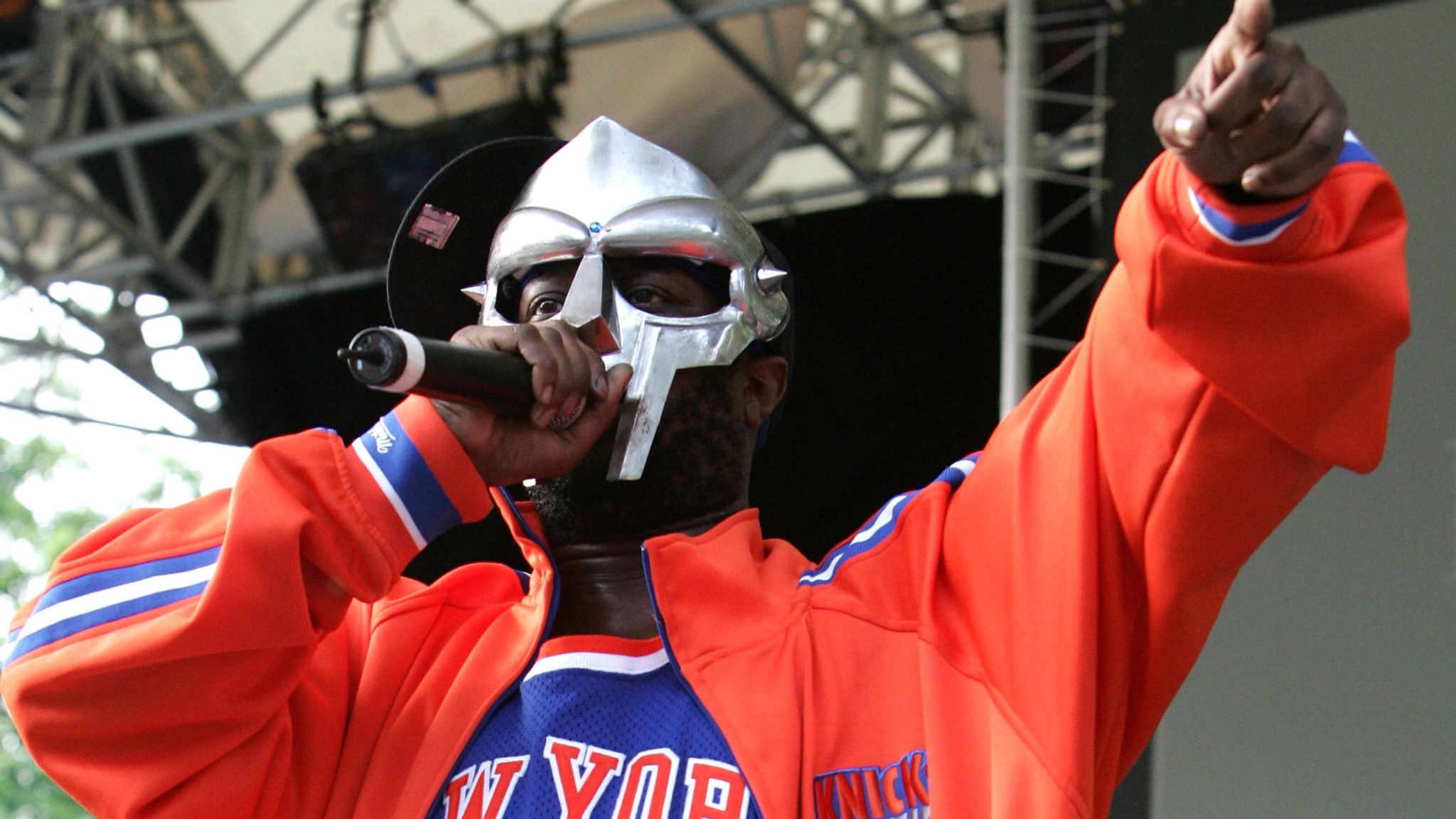
Daniel Dumile was already dead to the rap industry when he became its most important figure. After getting dropped from Elektra Records in 1993 following the death of his brother and rap partner DJ Subroc, Dumile vanished. He resurfaced in 1997 at open mics in New York City wearing a metal mask inspired by Marvel's Doctor Doom. The persona was not a gimmick. It was a manifesto. MF DOOM rejected everything the late-'90s rap industry demanded: face visibility, brand deals, commercial accessibility. He gave them a supervillain instead.
The mask became the most recognizable symbol in underground hip-hop. It allowed Dumile to separate the art from the artist in ways no rapper had attempted before. While Jay-Z and Puff Daddy were building empires on personal brands, DOOM was arguing that the music should speak for itself. Nearly three decades later, his influence runs deeper than any billboard placement ever could.
Operation: Doomsday and the Underground Renaissance
Operation: Doomsday dropped in 1999 on Fondle 'Em Records. The album rewired what indie rap could sound like. DOOM produced most of the beats himself, sampling obscure jazz records, Godzilla movie dialogue, and Saturday morning cartoons. His flow rejected conventional cadences entirely. Where other rappers landed their bars on the beat, DOOM rhymed across bars, buried punchlines inside punchlines, and treated internal rhyme schemes like architectural blueprints.
The album sold modestly. It didn't need to sell. It needed to exist. Operation: Doomsday gave permission to an entire generation of producers and MCs to stop chasing radio and start chasing craft. Without that album, there is no Madlib collaboration, no Stones Throw Records golden era, no abstract rap movement of the 2000s.
Madvillainy: The Perfect Album
In 2004, DOOM and producer Madlib released Madvillainy under the name Madvillain. The album is routinely cited as one of the greatest hip-hop records ever made. It was recorded in a disjointed, nomadic process. Madlib would hand DOOM beats on a CD-R. DOOM would disappear for months, return with verses that sounded like stream-of-consciousness poetry stitched together with superhero references and food metaphors.
Madvillainy runs 22 tracks in 46 minutes. Most songs clock under three minutes. There are no hooks designed for radio. No features designed for cross-promotion. The album sold 35,000 copies in its first week and has since become the blueprint for what happens when two artists with no commercial pressure make exactly the record they want to make. Pitchfork, Rolling Stone, and every serious music publication has canonized it. DOOM never made a sequel. The perfect thing doesn't need one.
The Villain's Many Faces
DOOM operated under more aliases than any major artist in hip-hop history. Viktor Vaughn. King Geedorah. Metal Fingers. DOOM the producer. Each persona had its own lane and its own mythology. Viktor Vaughn was a time-traveling version of the villain. King Geedorah was a three-headed space monster who observed Earth's culture from above. Metal Fingers was the instrumental beatmaker who released the Special Herbs series, seven volumes of beats that became the most sampled instrumental library in underground production.
This wasn't branding. This was worldbuilding. DOOM constructed a fictional universe across dozens of albums, and fans had to track every alias, every guest verse, every hidden reference to piece the story together. He invented the rap cinematic universe two decades before Marvel made it mainstream.
The Doom Controversy: Sending Imposters
Starting in the mid-2000s, DOOM allegedly sent masked imposters to perform in his place at live shows. Fans who paid for tickets saw someone in the mask rapping his songs, but the voice wasn't right. The movement wasn't right. When confronted, DOOM's response was essentially: the art is the mask, not the man. If you came to see DOOM, you saw DOOM.
This enraged concert promoters and divided fans. But it was also the most DOOM thing DOOM ever did. He pushed his philosophy to its logical extreme. The mask is the artist. The man is irrelevant. Whether you call it brilliant performance art or consumer fraud depends on where you stand. Either way, nobody else in rap has ever had the audacity to try it.
A Legacy That Grew After Death
Daniel Dumile died on October 31, 2020. His wife Jasmine announced it on December 31, 2020. The two-month gap between death and announcement was, fittingly, one final mystery from a man who lived behind masks. He was 49 years old.
In the years since his death, DOOM's cultural footprint has only expanded. Nike released DOOM-themed SB Dunks that resell for over $2,000. His catalog has been streamed billions of times. Tyler, the Creator, Earl Sweatshirt, and Westside Gunn have all cited him as their primary influence. A new generation of producers raised on Special Herbs beats is building entire subgenres on foundations DOOM laid.
The music industry spent 25 years trying to figure out MF DOOM. He was never trying to be figured out. He was trying to prove that hip-hop could be literature, mythology, and performance art simultaneously. The mask made it possible. The music made it permanent.
Related Reading
- LAURYN HILL WON 5 GRAMMYS WITH MISEDUCATION AND NEVER MADE ANOTHER ALBUM
- ASAP ROCKY ENDS THE WAIT WITH DON'T BE DUMB, AND DRAKE BETTER BE LISTENING
- D'ANGELO VANISHED AFTER VOODOO AND CAME BACK 14 YEARS LATER WITH HIS BEST ALBUM
Related: FAKEMINK AND LUCKI LINKED UP. NOW PUT THEM ON A SONG..
Frequently Asked Questions
Why did MF DOOM wear a mask?
After being dropped from Elektra Records in 1993 and losing his brother DJ Subroc, Daniel Dumile reinvented himself with a metal mask inspired by Marvel's Doctor Doom. The mask represented his philosophy that art should matter more than the artist's face or personal brand.
What is MF DOOM's most acclaimed album?
Madvillainy (2004), his collaboration with producer Madlib under the name Madvillain, is widely considered his masterpiece and one of the greatest hip-hop albums ever made.
How has MF DOOM influenced modern hip-hop?
DOOM's complex rhyme schemes, worldbuilding across aliases, and rejection of commercial conventions directly influenced Tyler the Creator, Earl Sweatshirt, Westside Gunn, and an entire generation of abstract and underground rappers.
Topics: stones throw records, madvillainy, rolling stone, rolling-stone, rap-legend, marvel, tyler-the-creator, madlib, pitchfork-pitchfork, music-legacy, underground-rap, hip-hop, tyler, the creator, mf-doom, pitchfork, focus-55-4, operation-doomsday, stones-throw-records, nike