LEBRON JAMES BUILT A BILLION DOLLAR EMPIRE WHILE STILL PLAYING
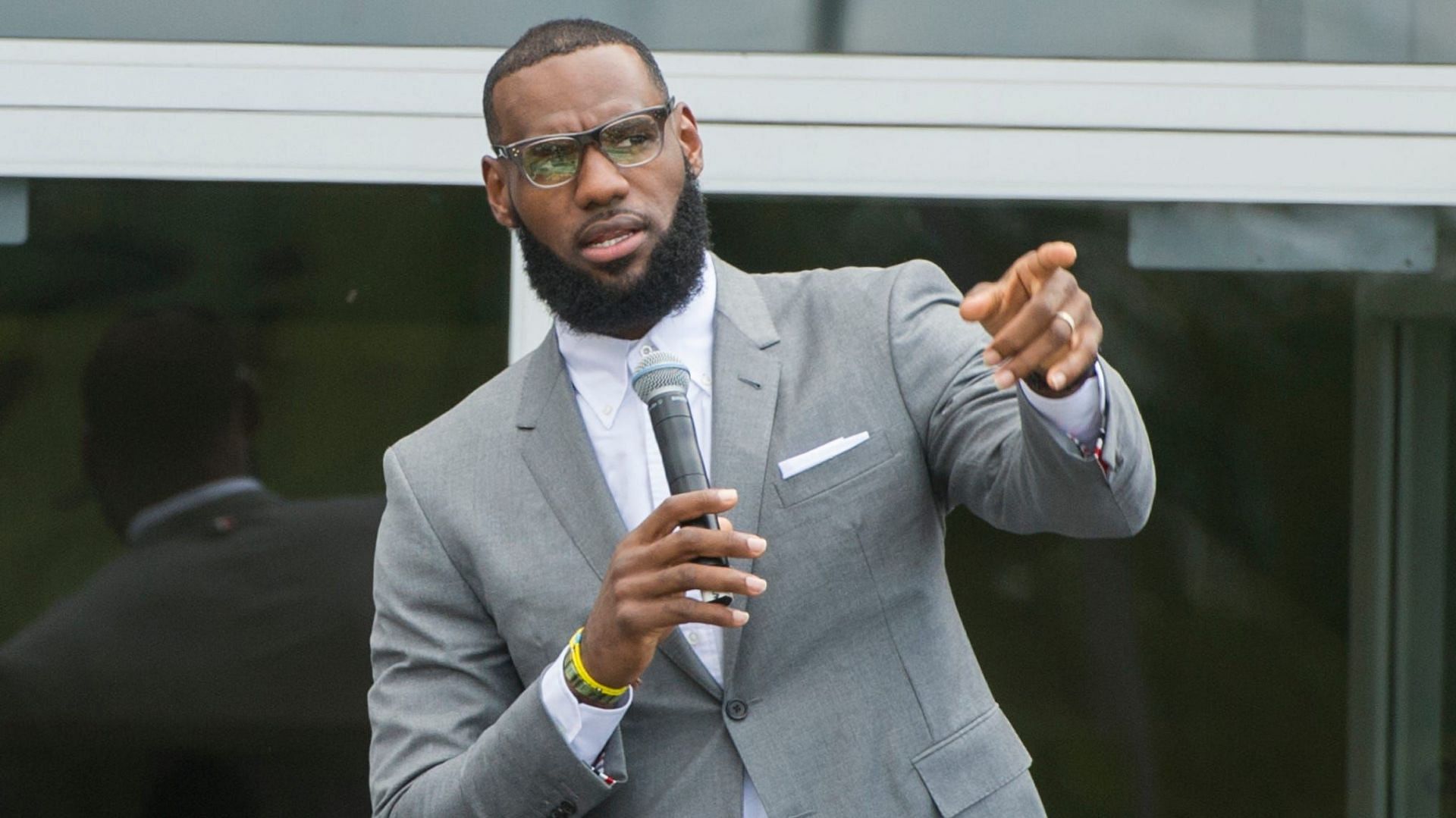
LeBron James built a $1.2 billion empire while still actively playing by prioritizing equity ownership over guaranteed endorsement payments, investing in companies like Nike (lifetime deal worth $1 billion), SpringHill Company (valued at $725 million), Fenway Sports Group, and Blaze Pizza. This strategic approach made him the first active NBA player to achieve billionaire status in 2022.
Key Points
- LeBron James' $1.2 billion net worth in 2026 makes him the first active NBA billionaire
- His 2015 Nike lifetime deal worth $1 billion was the largest single-athlete guarantee in company history
- SpringHill Company employs hundreds and was valued at $725 million in 2021
- His $6.5 million Fenway Sports Group investment in 2011 appreciated to $90 million
- LeBron's less than $1 million Blaze Pizza investment in 2012 is worth $35-40 million today
In 2026, LeBron James crossed $1.2 billion in net worth while the scoreboard still had quarters left to play.
That sentence alone reframes the modern athlete economy. He did not retire into ownership. He did not cash out post career. He did not wait for nostalgia tours or documentary royalties to stack. He became a billionaire while still pulling $52 million a year from the Los Angeles Lakers, a franchise that, remarkably, still considers him underpaid relative to his revenue impact.
But the Lakers' balance sheet is no longer the story. It is decoration. This stopped being about on court excellence around 2008. It became about something far rarer: understanding that equity compounds while contracts expire.
The Nike Architecture
In 2003, before he played a single NBA minute, Nike handed an 18 year old James $90 million. Most observers focus on the size of the number. The sophistication was in the structure.
That early endorsement matured into a lifetime deal now valued at roughly $1 billion, a contract that pays him whether he is scoring 30 in Game 7 or sitting courtside at 61. Nike does not compensate him for 2026 performance. It compensates him because 2003 LeBron negotiated like someone who understood compounding curves before most rookies understand defensive rotations. The endorsement money was significant. The architecture was transformational.
From Product to Platform
The real empire sits inside SpringHill Company. Named after his childhood apartment complex in Akron, SpringHill evolved from a personal brand amplifier into an independent content engine. It absorbed capital from Fenway Sports Group, Epic Games, RedBird Capital, and Nike. Its valuation now hovers around $725 million.
The 2023 financials showed $104 million in revenue and $28 million in losses, a detail critics latch onto and investors ignore. Losses in growth stage media are not red flags, they are reinvestment signals. Scale precedes profitability. SpringHill produces content for Netflix and Disney without requiring James to appear on screen. That distinction matters. Most athletes are the product. LeBron built the factory.
The Equity Inflection Point
In 2011, he invested $6.5 million for a stake in Fenway Sports Group. At the time the deal looked unconventional. Athletes typically trade brand alignment for endorsement cash, not ownership slices. Today FSG's portfolio includes Liverpool FC, valued near $4 billion, and James' stake has appreciated to roughly $90 million.
He nearly walked away from the deal. That moment, choosing equity over guaranteed money, is the dividing line between wealthy athletes and billionaire operators. Guaranteed cash preserves lifestyle. Equity transforms generational math.
Blaze and the McDonald's Rejection
In 2012, James and Maverick Carter put under $1 million into Blaze Pizza, a then unknown fast casual concept. To do it, he walked away from a McDonald's endorsement reportedly worth $14 million remaining. On paper that decision was reckless. In hindsight it was pure capital discipline.
Blaze scaled to hundreds of locations and valuations north of $250 million at its peak. More importantly, it signaled a philosophical shift: stop renting brand equity to corporations and start owning the growth curve. That pattern repeated across media, sports ownership, consumer brands, and intellectual property. He consistently traded short term endorsement security for long term equity asymmetry.
A Wealth Engine That Ignores the Box Score
At 41, James still produces at an elite level on the floor. But his wealth trajectory is now decoupled from basketball performance. A first round playoff exit does not dent SpringHill's valuation. A midseason injury does not affect Liverpool's revenue multiple. A scoring slump does not slow Nike's global distribution machine. He engineered a financial life that runs on a parallel timeline to his athletic one. The NBA contract is income. The equity is destiny.
The Ownership Horizon
The final frontier is obvious. The path from billionaire athlete to principal owner has been paved but not yet walked by a player of his magnitude. His FSG experience is the apprenticeship. His capital base is sufficient. His brand gravity would instantly reshape franchise economics.
The question is no longer whether he can afford a team. It is whether he can resist the chance to own one. If LeBron James has shown us anything over two decades, it is that he does not just play the game in front of him, he studies the one coming next. The most fascinating quarter of his career may be the one where he is no longer on the court at all, but in the owner's chair, rewriting the power structure of the league he once dominated.
Related Reading
- The Real Numbers Behind Athlete Endorsement Deals
- A'ja Wilson's A'Two and the WNBA Shoe War
- Converse Shai 001 Premium Ink Drops May 14 at $150
Frequently Asked Questions
Is LeBron James a billionaire?
Yes. In 2026 LeBron James crossed roughly $1.2 billion in net worth, becoming a billionaire while still playing in the NBA rather than after retirement.
How did LeBron James build his business empire?
Through equity rather than endorsements alone: a Nike lifetime deal worth around $1 billion, his SpringHill Company media business, an early stake in Fenway Sports Group (now home to Liverpool FC), and a Blaze Pizza investment he chose over a $14 million McDonald's deal.
What companies and assets does LeBron James own?
His holdings include SpringHill Company (valued around $725 million), an equity stake in Fenway Sports Group worth roughly $90 million, an early position in Blaze Pizza, and a lifetime partnership with Nike.
What is SpringHill Company?
SpringHill is the media and content company LeBron James built with Maverick Carter, named after his childhood apartment complex in Akron. It produces content for platforms like Netflix and Disney and carries a valuation around $725 million.
How much is LeBron James worth in 2026?
Approximately $1.2 billion, with much of that wealth tied to equity stakes that appreciate independently of his on-court performance.
Will LeBron James own an NBA team?
He is positioned to. His Fenway Sports Group experience, his capital base, and his brand make principal ownership a realistic next step, though he has not yet acquired a franchise.
Topics: lebron james, los angeles lakers, blaze pizza, money talks, wnba, converse, fenway sports group, netflix, springhill company, nba, los-angeles-lakers, lebron-james, sports, athlete business empire, nike