LAMBORGHINI POSTED BEES AND 350 G/KM ON THE SAME DAY
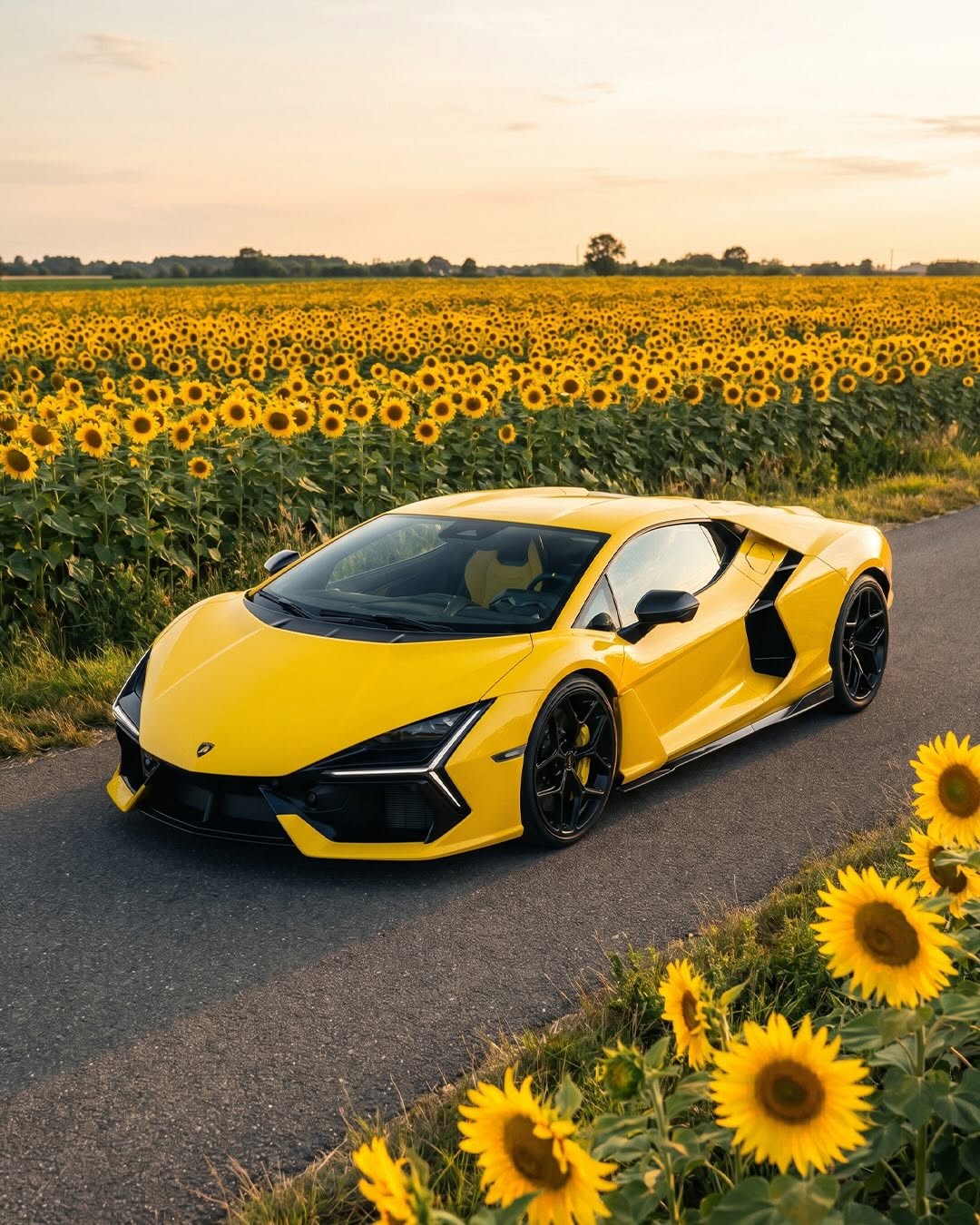
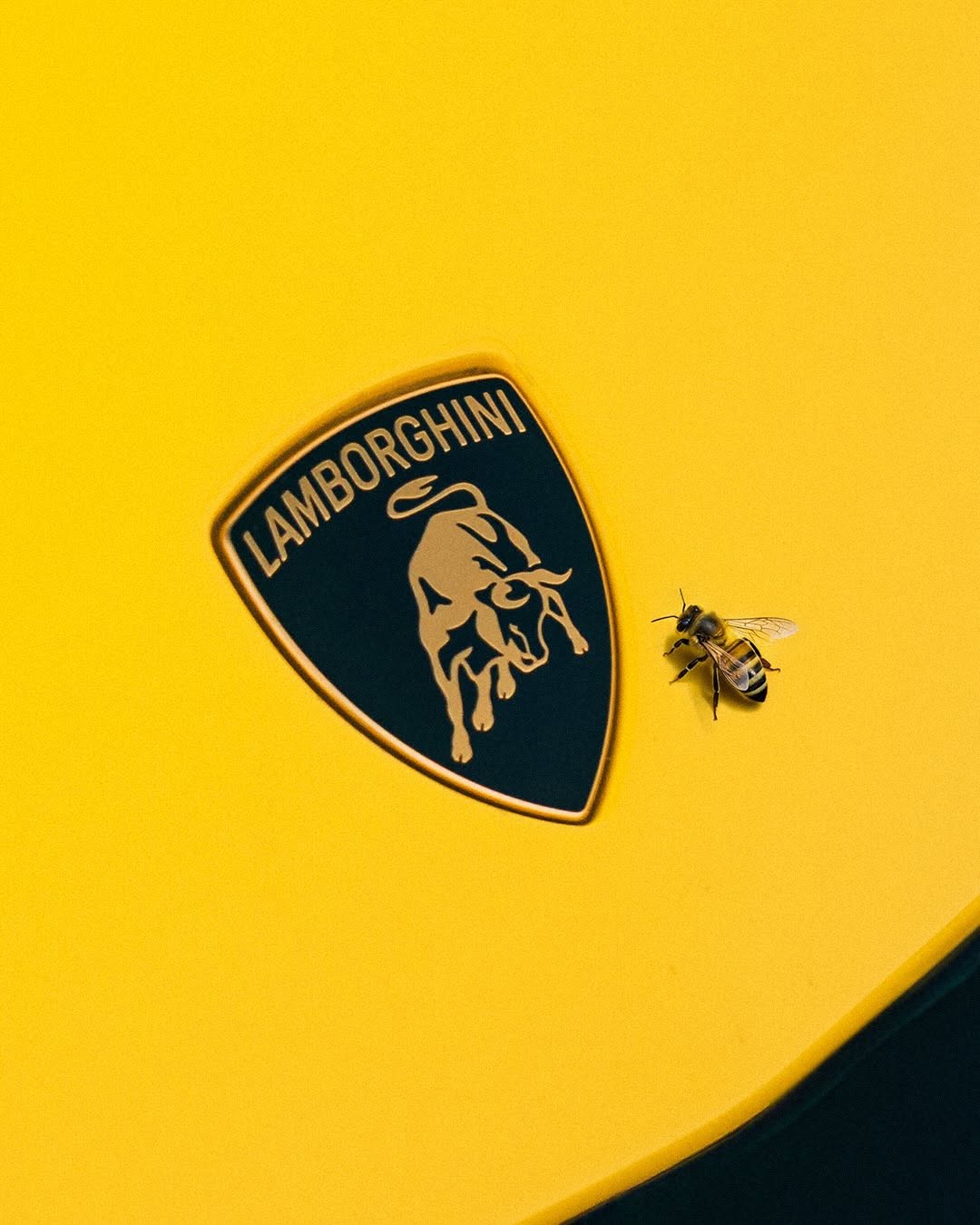
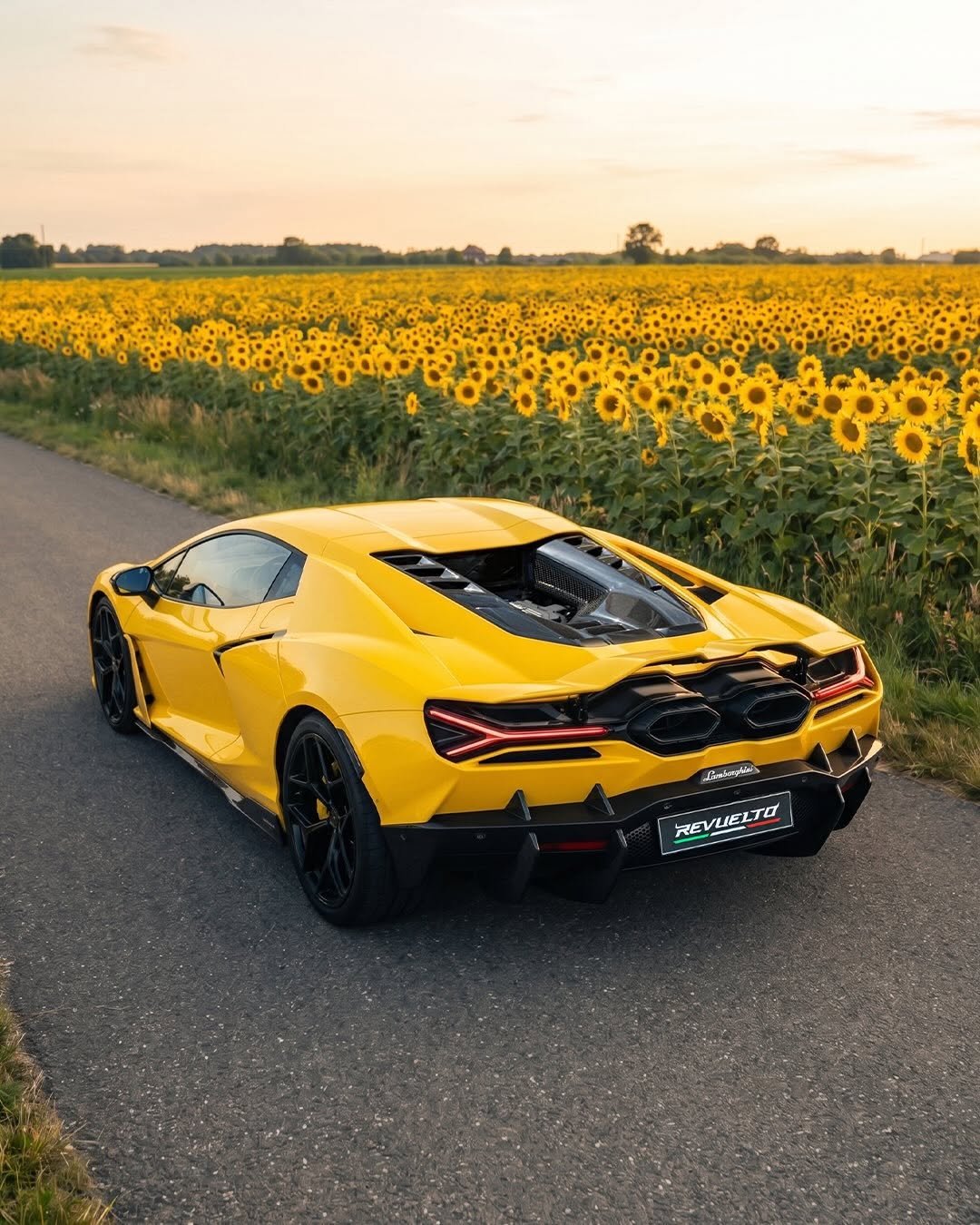
Lamborghini marked World Bee Day on May 20, 2026 with a post about the 600,000 bees and 13 apiary hives at its Sant'Agata Bolognese headquarters, a biomonitoring program running since 2016. The same caption disclosed the Revuelto plug-in hybrid still emits 350 g/km of CO2 and burns 15 liters per 100 km.

Key Points
- Sant'Agata's apiary has 600,000 bees and 13 hives, monitoring environmental health since 2016.
- The Revuelto plug-in hybrid emits 350 g/km of CO2, in EU class G, the worst rating.
- Lamborghini's sustainability narrative survives on bees while its powertrains still burn 15 L/100km.
Sant'Agata Bolognese Has 600,000 Office Workers in Stripes
Lamborghini posted a photo of bees on May 20, 2026 and the same caption disclosed the Revuelto burns 15 liters of fuel and 4.7 kWh of electricity per 100 km, with a class G emissions rating. Two ideas in one Instagram post: corporate beekeeping as environmental signal, and a 1015 hp plug-in hybrid that still releases 350 grams of CO2 per kilometer. The math is uneven on purpose.
The bees are real. Sant'Agata Bolognese has hosted apiaries on Lamborghini's factory grounds since 2016, when the company launched a biomonitoring program under Lamborghini Park. Thirteen hives. Roughly 600,000 honey-makers. Their job is to fly four kilometers in every direction and bring back air, water, and pollen samples that get tested for hydrocarbons and heavy metals. The hives are a sensor network in a yellow stripe.
1985. A Factory Town. A Land-Use Plan.
Sant'Agata Bolognese sits in the same Emilia-Romagna corridor that produces Ferrari (Maranello, 27 km away), Ducati (Bologna, 30 km), and Maserati (Modena, 25 km). The Lamborghini Park program was the first of the four to commit serious factory land to wild pollinators. The company planted 10,000 oak trees on the perimeter starting in 2011 and added the apiary in 2016 as part of a broader biodiversity buffer. The point of the bees is not the honey. The point is the lab work.
Bees are sensitive enough that one industrial accident upwind shows up in pollen analysis within 48 hours. Lamborghini publishes the data annually as part of its sustainability report. The 2024 report disclosed no hydrocarbon contamination above EU thresholds and pesticide loads below the regional median. Internal monitoring as press release.
The Revuelto Math Does Not Round Down
Read the same World Bee Day caption past the second exclamation point and Lamborghini admits, in EU-mandated small print, that the Revuelto's combined fuel consumption is 15 L/100km plus 4.7 kWh, and emissions are 350 g/km in WLTP class G. With a discharged battery, the fuel number climbs to 17.9 L/100km. The Revuelto is the brand's first plug-in hybrid V12 and it remains, by EU rating, the worst-performing emissions class on the consumer scale.
This is not a contradiction Lamborghini hides. It is a contradiction Lamborghini publishes. The bees do biomonitoring. The cars do 1015 hp at 9250 rpm. Both are true. The brand has been honest that decarbonization for a V12 supercar is a long arc, not a quarter-by-quarter promise. By 2030, the entire range will be electrified. The Revuelto is the first step of that arc, not the destination.
A Hashtag Costs Less Than a Test Cell
This is where the cross-vertical pattern lives. Apple posts about its carbon neutral campus. Patagonia posts about its 1 percent for the planet pledge. Lamborghini posts about its bees. Three different industries running the same playbook: visible sustainability theater that costs a fraction of the actual decarbonization budget. The bees cost roughly 25,000 euros a year to maintain. The R&D for the Revuelto's plug-in hybrid powertrain ran into nine figures. Both stories are true. Only one fits in a caption.
Finally Offline covered the Lamborghini Temerario GT3 debut at Sebring in March, where the racing version actually went the other way and dropped the hybrid system entirely for a lighter, more responsive 550 hp twin-turbo V8. Two product cycles, two different answers to the same question: where does the brand stand on electrification? The road car gets the battery pack. The race car drops it. Both decisions ship.Joey Slamon Once Said the Honey Is Better Than the Headline
The Sant'Agata apiary produces about 600 jars of honey a year. It does not sell. Employees receive a jar at Christmas. The rest goes to corporate gifting and the brand archive. A Reggio Emilia honey expert told Bologna's Il Resto del Carlino in 2022 that the Lamborghini hives produce a millefiori with linden notes from the perimeter oak grove. He also said the data matters more than the honey, which is the only sentence in the article anyone should remember.
The Lamborghini Veneno Roadster was built in nine units in 2013 and sold for $4.5 million each, before the brand had a single hybrid in the lineup. Thirteen years later, the same brand makes hybrid V12s for around $600,000 and keeps bees for biomonitoring. The Veneno line of nine cars produced an estimated 31 kg of CO2 per kilometer combined across all units in their lifetimes. The hives offset roughly 8 kg of urban pollutant uptake per year. Neither number balances. They were never supposed to.Watch for the 2030 Range Update
The bees are not a trick. The cars are not green. Both can be true at once, and the brand that ships a 350 g/km hybrid in the same caption as a World Bee Day photo is, at minimum, refusing to lie about either. By 2030, Lamborghini has committed to a fully electrified range. That is the test. Sant'Agata Bolognese will still have 600,000 striped office workers. The question is whether the cars they monitor will have stopped emitting 350 g/km by then. The math is uneven today. In four years it has to balance.
Related: LAMBORGHINI PUTS A 2017 PAINT CODE ON ITS NEWEST V8.
Frequently Asked Questions
What is Lamborghini's Sant'Agata bee program?
Lamborghini has kept apiaries at its Sant'Agata Bolognese headquarters since 2016 as part of a biomonitoring program that uses bees to track air and water quality across the surrounding park.
How much CO2 does the Lamborghini Revuelto emit?
The Revuelto's WLTP rating is 350 g/km of combined CO2, with a class G rating. Energy consumption is 4.7 kWh per 100 km plus 15 L of fuel.
Why does Lamborghini post about bees on World Bee Day?
World Bee Day is May 20. Lamborghini uses the date to highlight its apiary biomonitoring program at Sant'Agata Bolognese, which has expanded to include studies of honey samples for pollutant analysis.
Topics: apiary, luxury, automotive, revuelto, biomonitoring, sant-agata-bolognese, sustainability, plug-in-hybrid, ferrari, apple, world-bee-day, lamborghini