Kid Cudi Shot a Vogue France Feature and Posted the Credits Himself
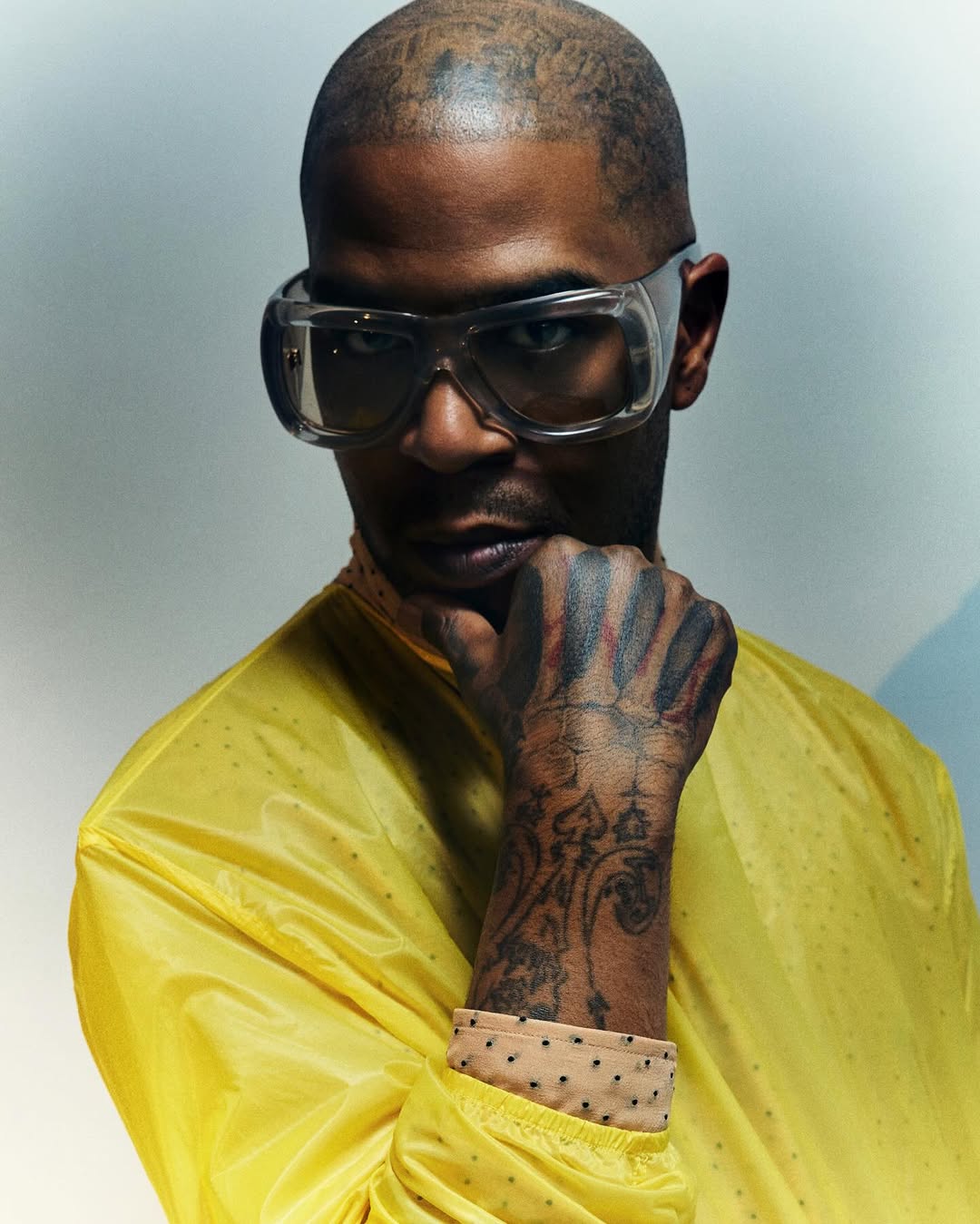
Kid Cudi appeared in a Vogue France feature in 2026, photographed by dom_sesto with styling by dfsablon. He posted the editorial on Instagram with a complete credit list, consistent with his approach to explicit collaboration attribution. Vogue France covered Cudi outside the traditional fashion house asset model.
Key Points
- Kid Cudi announced his Vogue France feature on Instagram with every credit listed by hand: photographer dom_sesto, styling dfsablon, grooming flavioche
- Vogue France covered Cudi as a cultural figure rather than a fashion house asset, consistent with their post-2020 editorial movement away from traditional cover conventions
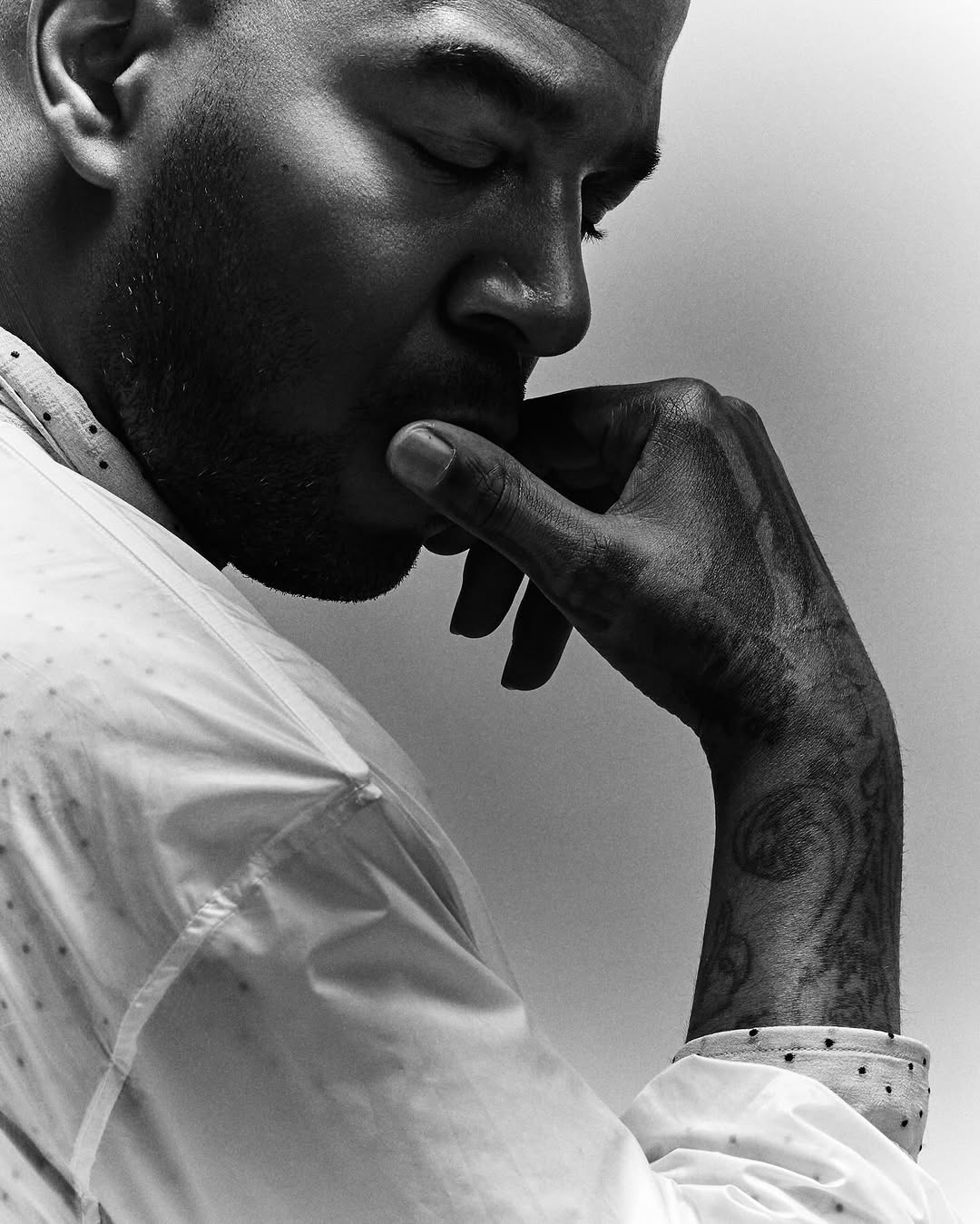
- Photography by dom_sesto uses portrait rather than editorial light logic, building images designed to age rather than trend
"Thank you for having me yall."
That is how Kid Cudi, Scott Ramon Seguro Mescudi, announced his Vogue France feature. Not through a press release. Not through a brand statement. Through his own Instagram caption, with every credit listed by hand: photographer @dom_sesto, styling @dfsablon, grooming @flavioche, head of content @clairethomsonjonville. The full credit roll, written out like someone who still believes in giving people their flowers.
The Fashion Moment Nobody Predicted
Kid Cudi has not historically been a Vogue subject. He is too genre-specific for the typical musician crossover cover, which tends toward artists whose appeal is either maximally mainstream or maximally subcultural in a way that reads as safe cool. Cudi sits in a different register: he is a cult figure whose influence on the generation now running the industry is disproportionate to his chart history.
The Vogue France placement makes sense from that angle. Vogue France under current editorial direction has been less conservative about who gets the cover treatment. They run features on people whose cultural gravity operates outside the traditional fashion press comfort zone. Cudi fits that profile. He has been visible in fashion recently, attending Off-White shows in Paris and working toward a collaboration with the brand, without being a fashion house asset on retainer. Vogue France covered the person, not the product placement.
dom_sesto Did Something With the Light
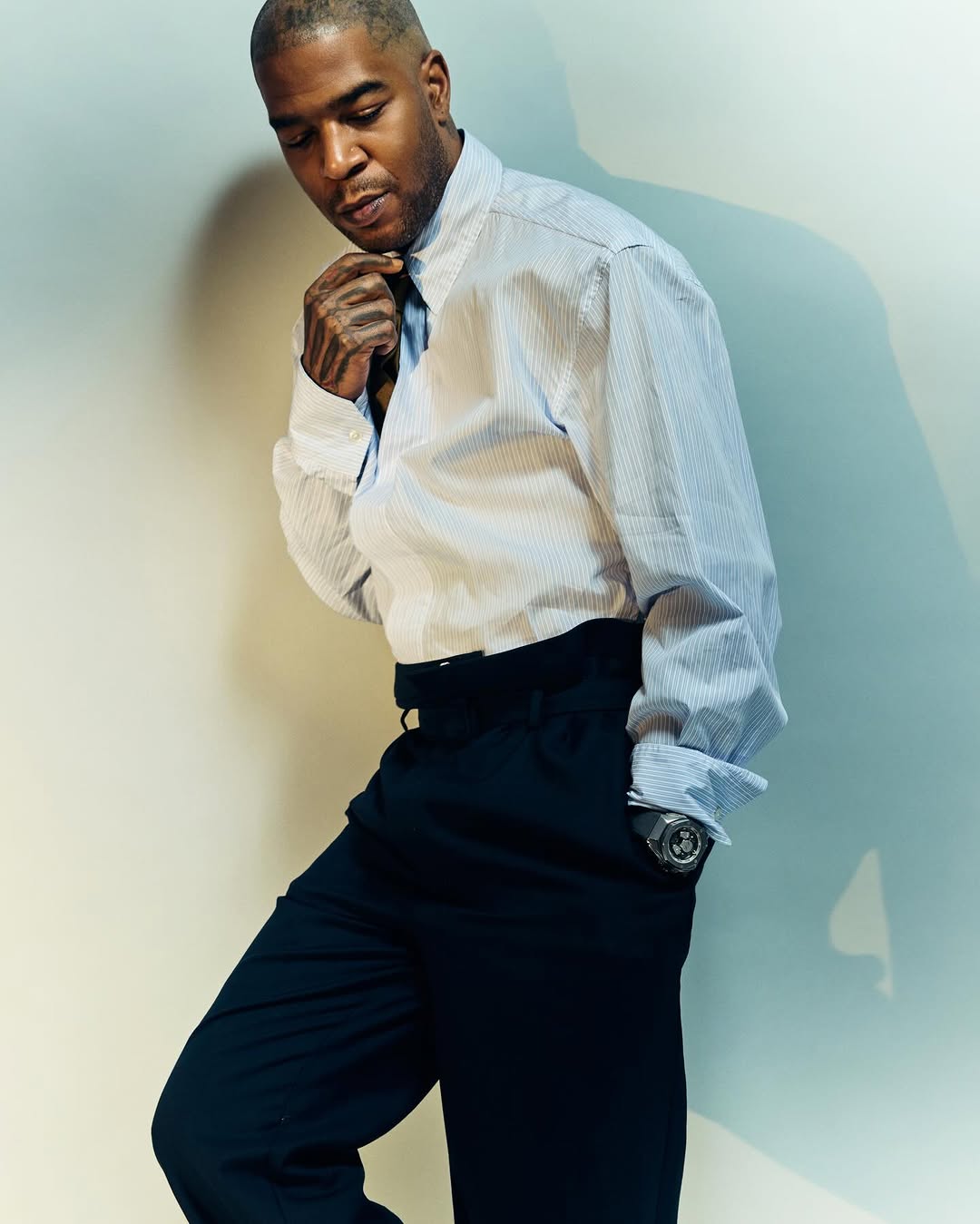
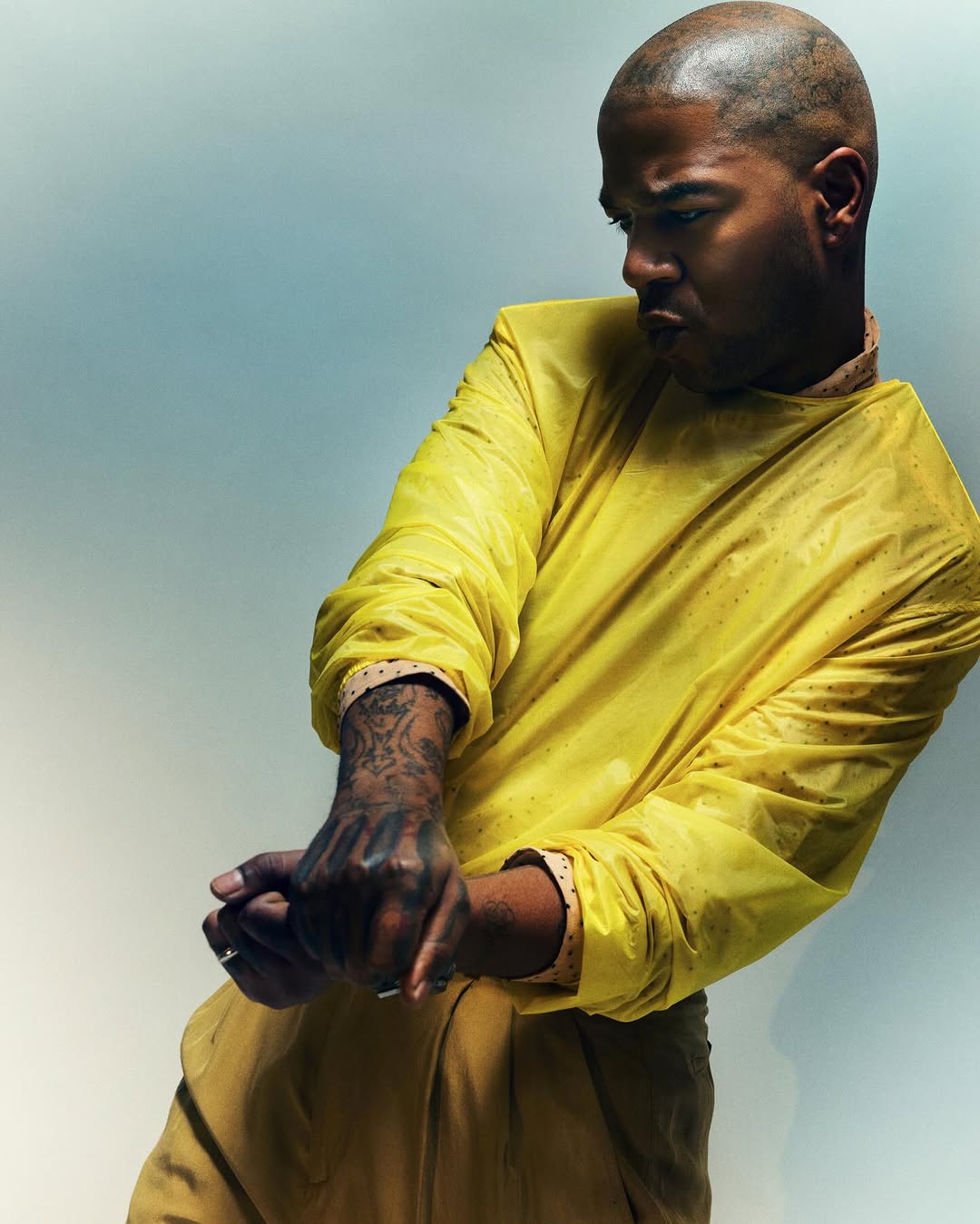
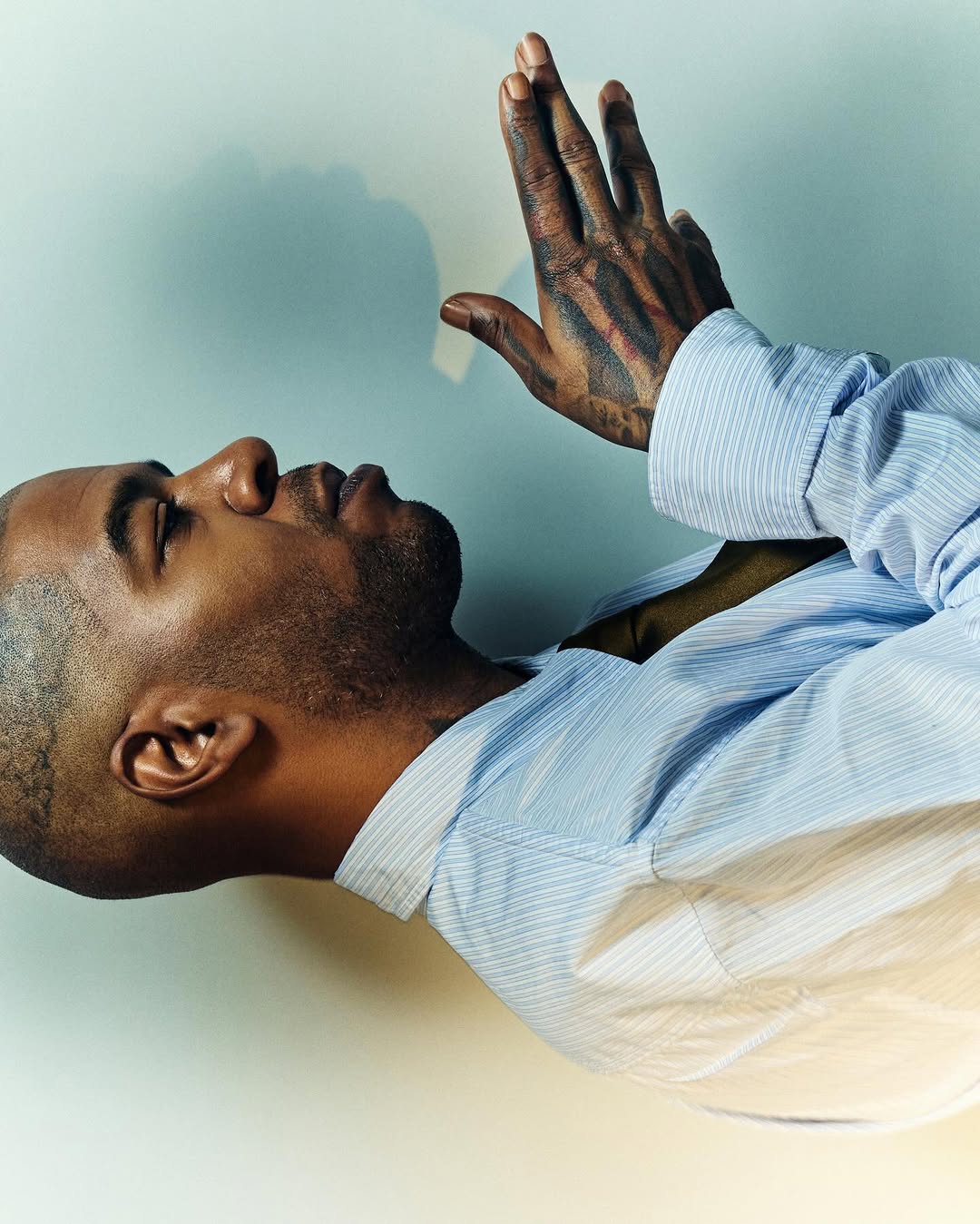
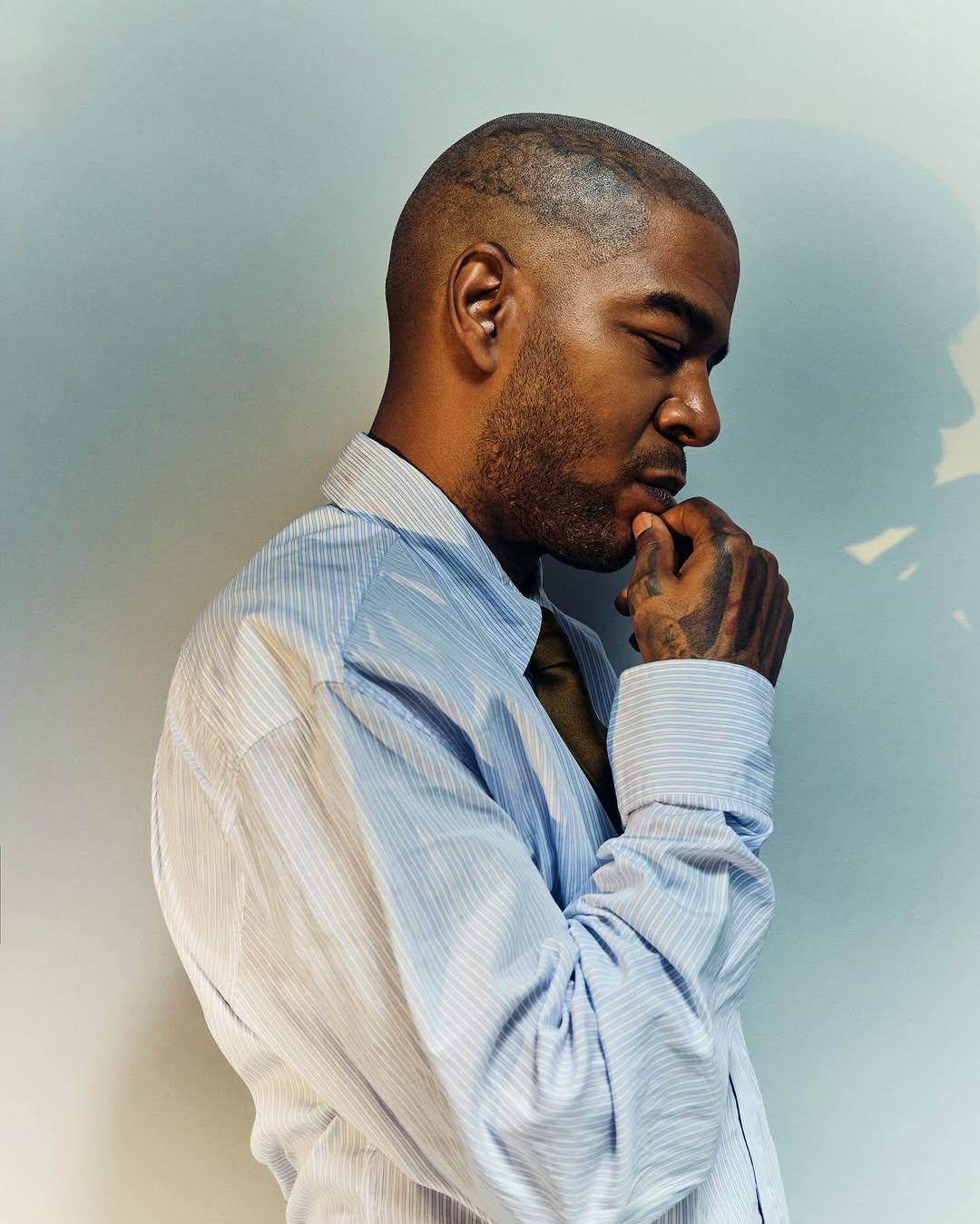
The photography in the carousel is the editorial argument. Photographer @dom_sesto shot the feature with a quality of light that sits closer to portrait photography than to fashion editorial conventions. There is not a lot of forced stylization, not a lot of set dressing logic. Cudi is the subject, not a prop in a concept.
Styling by @dfsablon reinforces that approach. The clothes are present but they are not performing the image. This is consistent with what mid-to-late 2020s fashion editorial has been moving toward: less constructed, more evidential. The photograph of the subject as they actually exist rather than as a surface for a theme.
Grooming by @flavioche sits in the same register, visible but not theatrical. The result is a series of images that could age well because they are not trying to be of the moment.
Why the Credit Roll Matters
The caption credit list is not standard practice. Most celebrities posting editorial imagery either list one or two major credits or let the publication handle attribution entirely. Cudi listed everyone: photographer, stylist, groomer, head of content, senior editor.
This is a cultural posture more than a logistical choice. It reflects something specific about how Cudi has always operated. He has credited producers, collaborators, and fans in ways that maintain a set of relationships rather than presenting himself as a solo myth. Listing every person who worked the shoot is both an industry courtesy and a statement about how attribution should work.
Vogue France published. Cudi posted. The credits are all there. The work stands.
Related Reading
- How Off-White's 10x10 Project Restructured a Brand Without a Founder
- AIMOS DEBUTS EGYPT PHOTO BOOK AT EXTRA BUTTER MARCH 5
- ALEX HONNOLD IS CLIMBING LIVE ON JANUARY 23
Frequently Asked Questions
What was Kid Cudi's Vogue France feature?
Kid Cudi was featured in Vogue France in 2026, photographed by dom_sesto with styling by dfsablon and grooming by flavioche. He announced it on Instagram with a full credit list.
Who photographed Kid Cudi for Vogue France?
Photographer dom_sesto shot the Vogue France feature, with styling by dfsablon and grooming by flavioche.
Is Kid Cudi doing fashion work in 2026?
Yes, Kid Cudi has been active in Paris fashion circles in 2026, attending Off-White shows and working toward a collaboration with the brand, alongside his Vogue France feature.
Topics: dom-sesto, photography, fashion-editorial, vogue-france, focus-38-30, kid-cudi, music, off-white, vogue, paris-fashion-week