KENNY SCHARF 100 KARBOMBZ CARS CRUISE LA STREETS FOR FREE
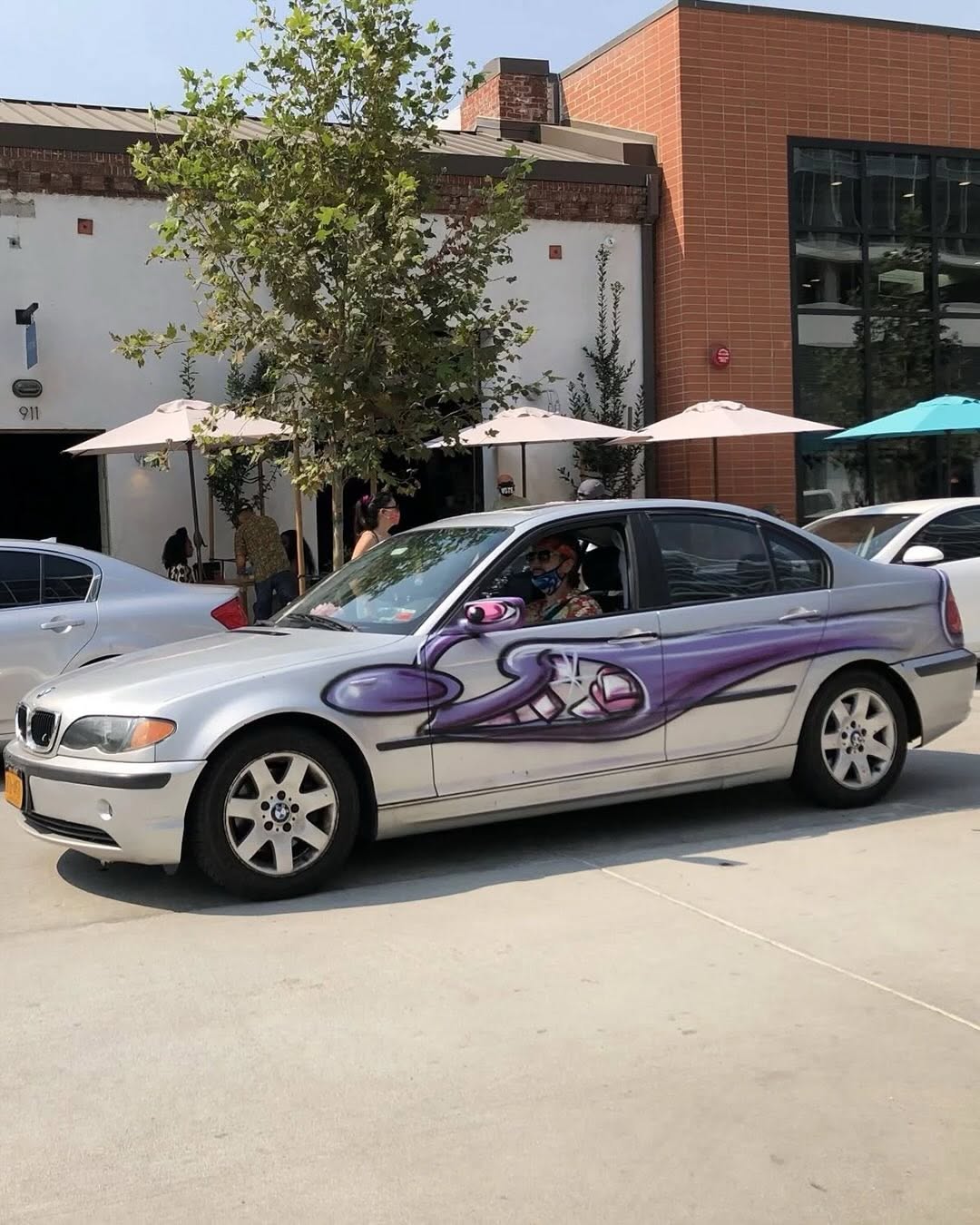
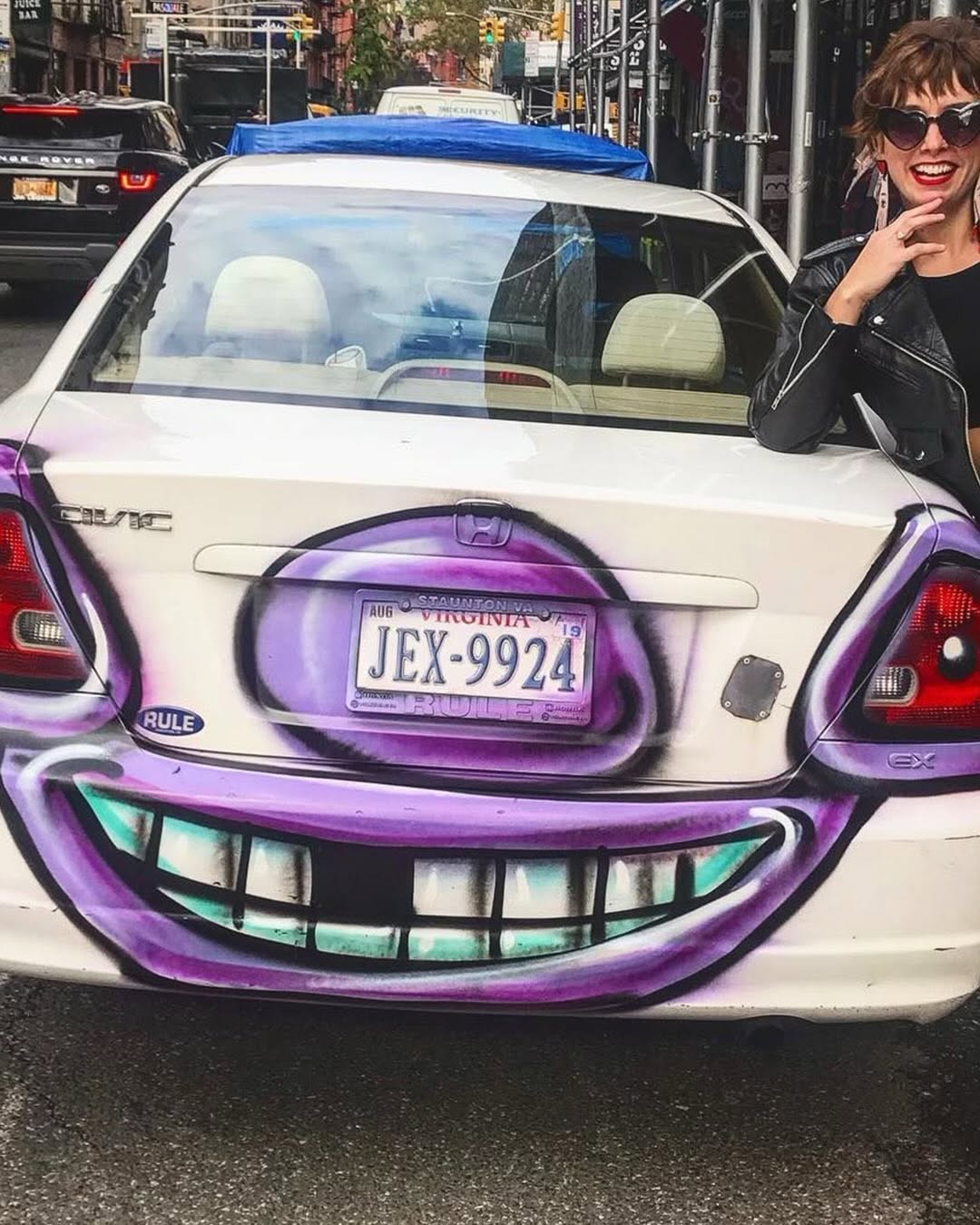
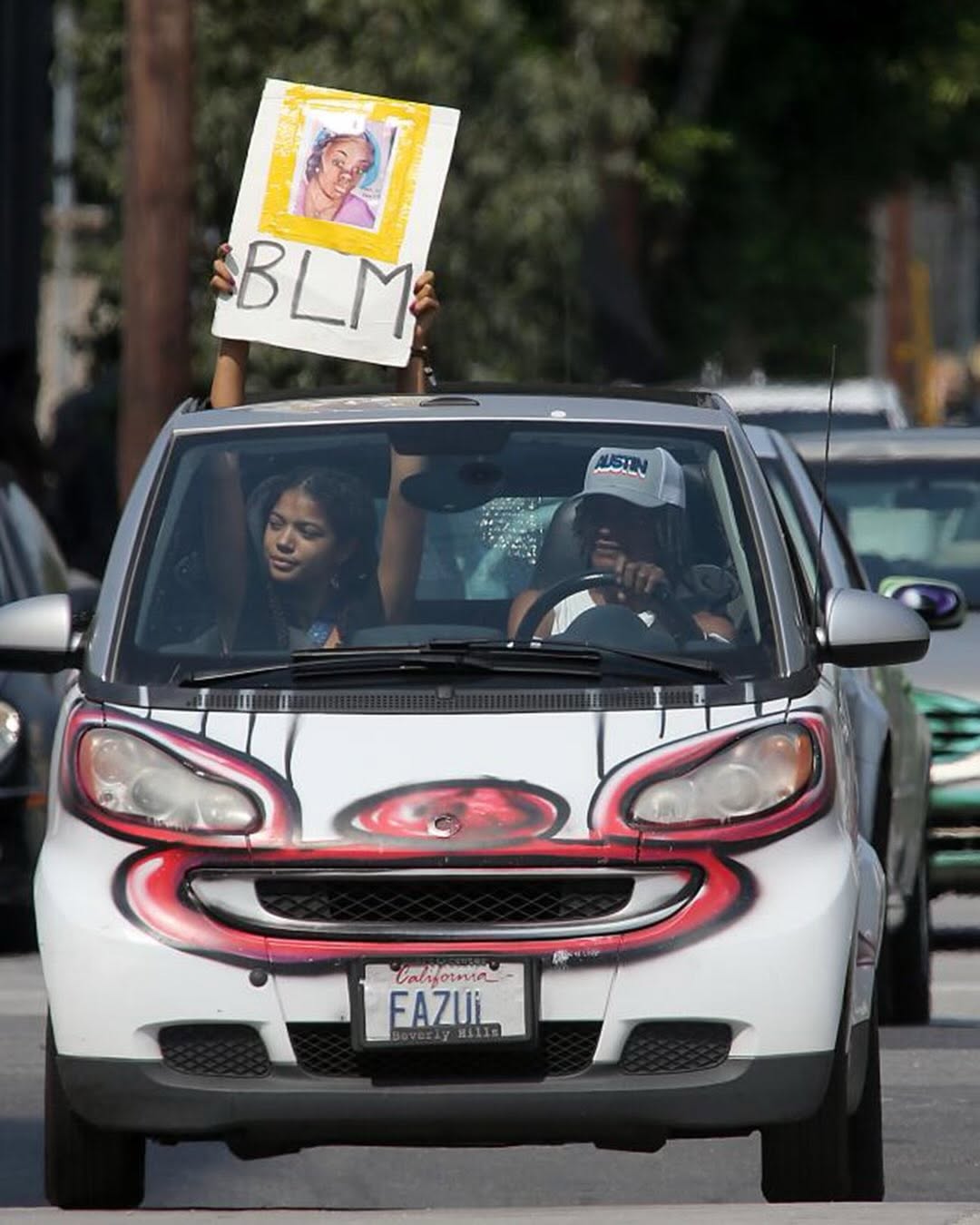
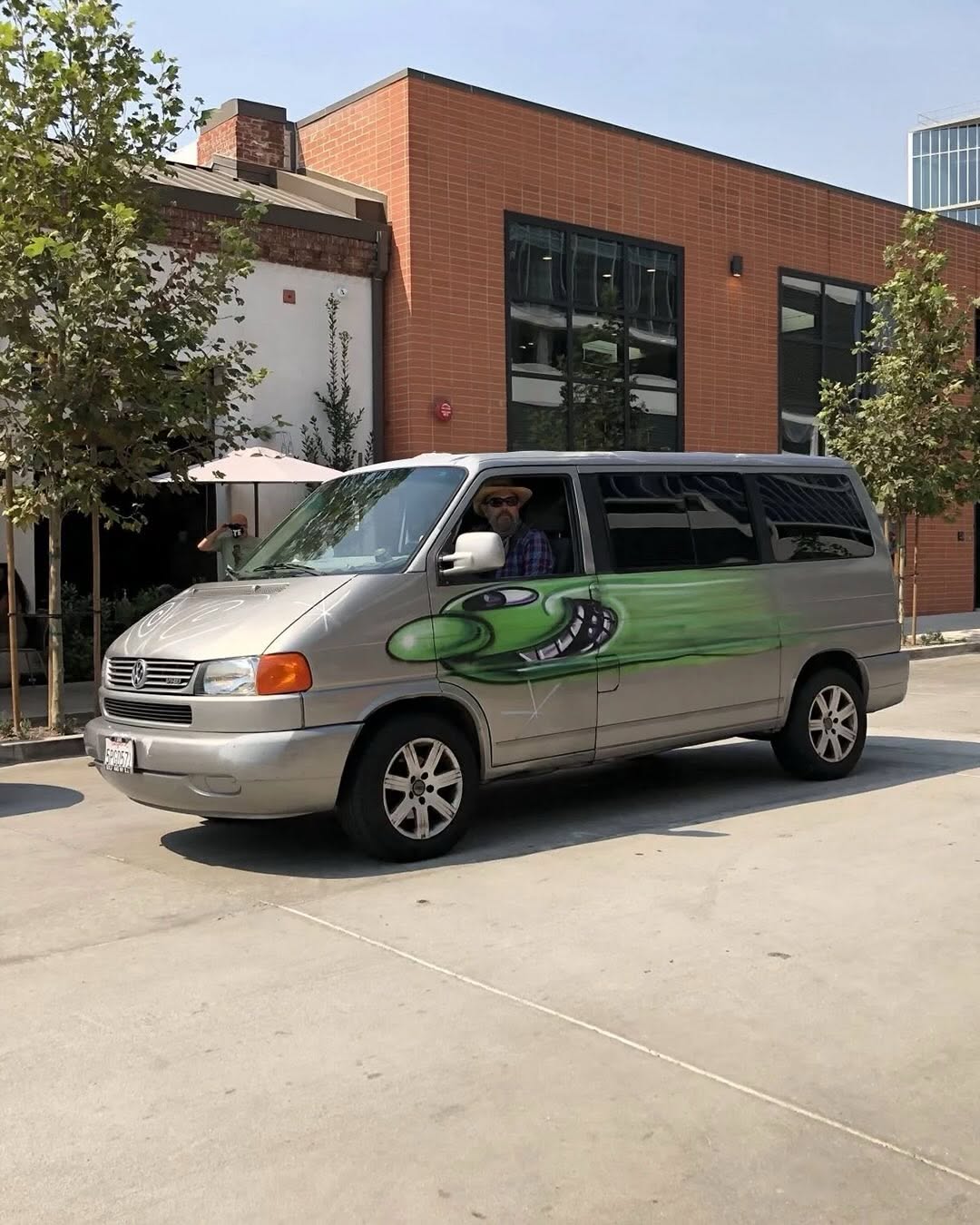
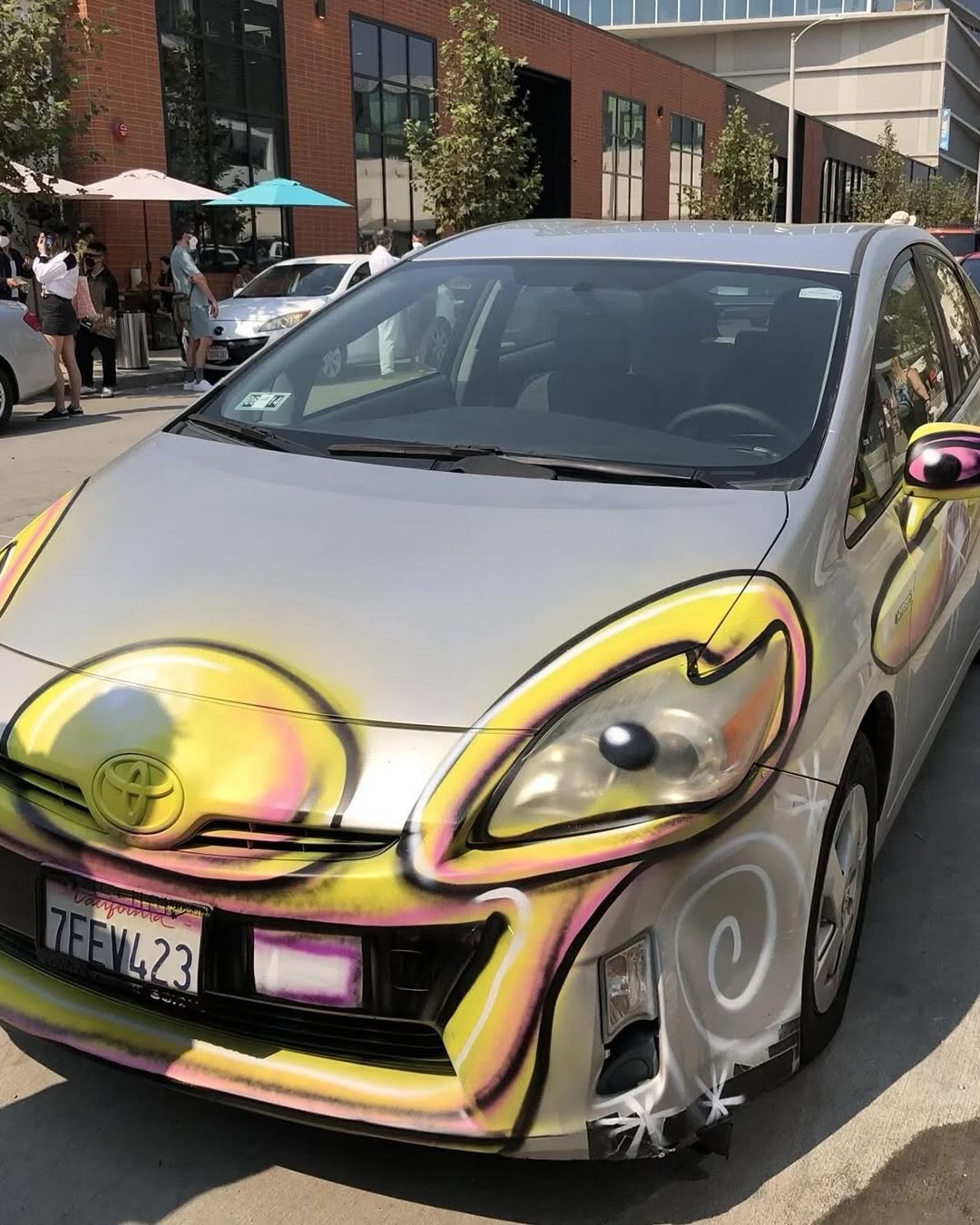
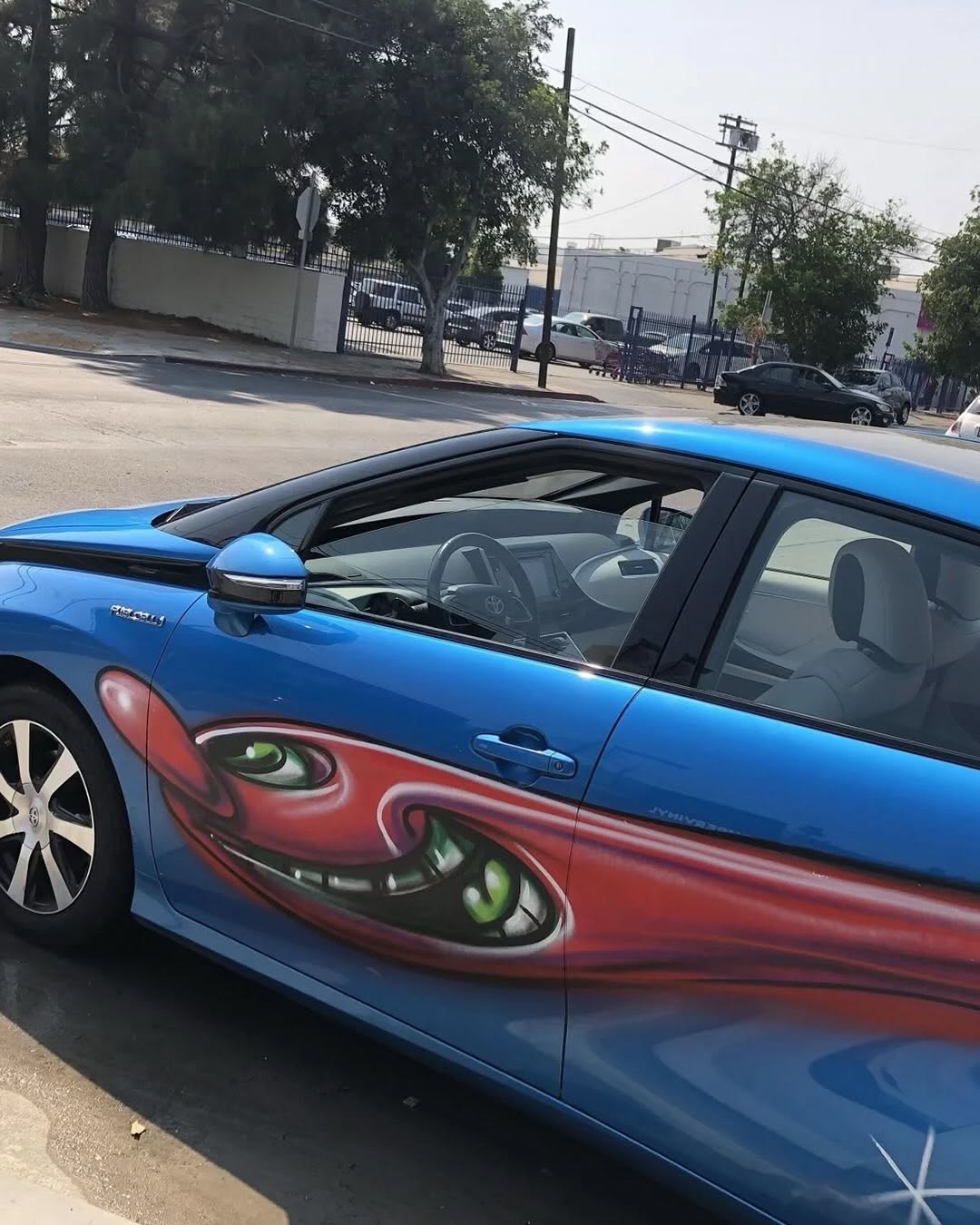
Kenny Scharf has painted approximately 300 cars worldwide through his Karbombz project since 2013, refusing to monetize the work despite individual cars appreciating to 30x their original value. His strategy of giving away art for free while maintaining creative control demonstrates a counterintuitive path to cultural authority in 2026, where brands increasingly chase authenticity through paid collaborations.
Key Points
- Kenny Scharf has painted approximately 300 cars since launching Karbombz in 2013, mostly in Los Angeles
- A Karbombz car originally worth $15,000-$30,000 is now valued at 30 times that amount, yet Scharf paints for free
- Scharf takes 20 minutes per car and explicitly refuses to monetize Karbombz, stating 'some art doesn't have a price tag'
- The scarcity ratio: you will see 1,000 Rolls-Royces before seeing 1 Kenny Scharf Kar
- Scharf rose to prominence in the 1980s East Village alongside Keith Haring and Jean-Michel Basquiat, pioneering the street-art movement
Sneaker drops cost $200. A Karbombed car was once worth $15-30k and is now worth 30x that. Yet Kenny Scharf paints every car for free. "It's something I do for free. It's a public art project. It takes me twenty minutes".
This is not about art anymore. This is about the economics of attention.
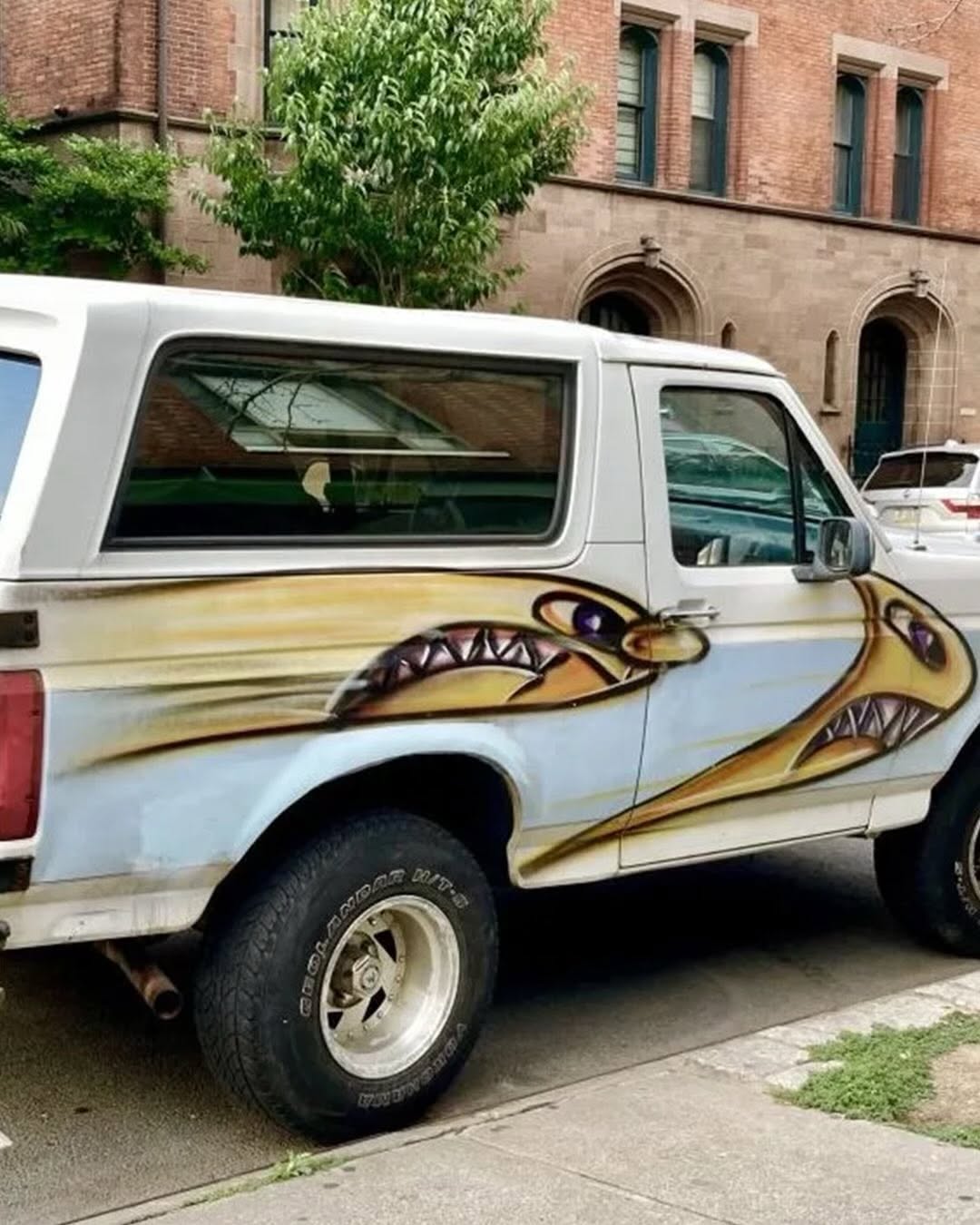
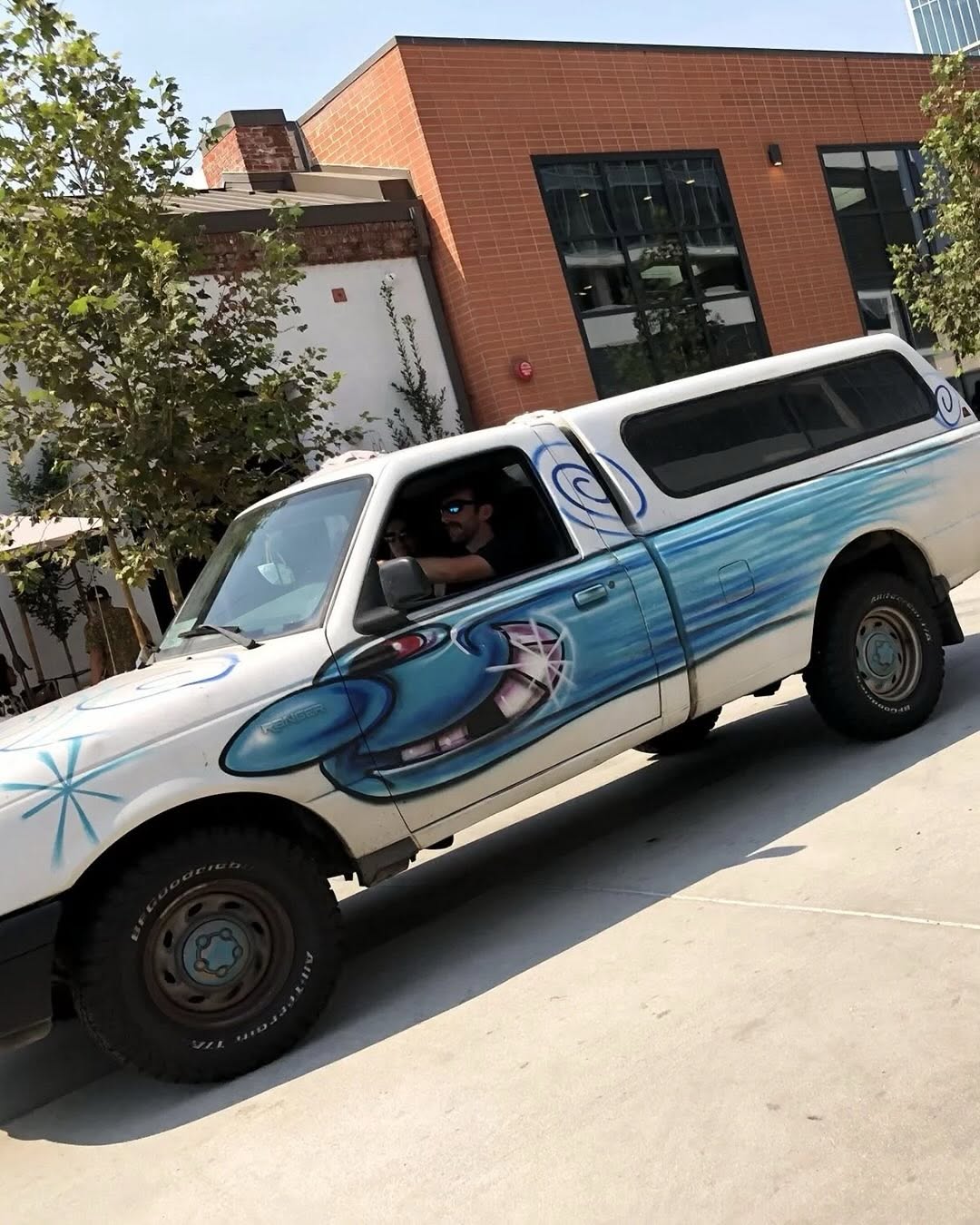
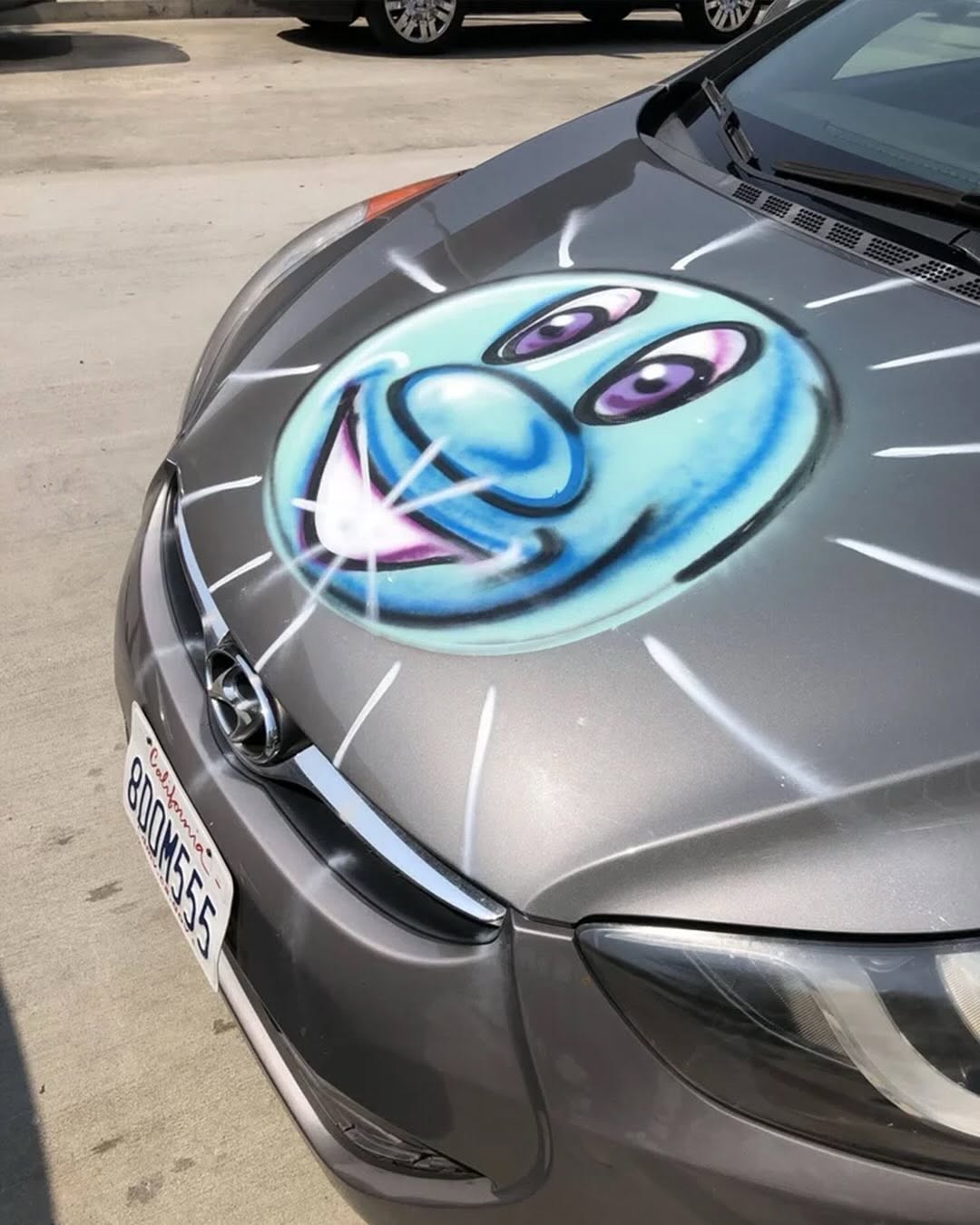
Scharf started Karbombz in 2013, when he was painting a mural in Alabama and someone drove by and said, "Hey, will you paint my car?" Since then, he counts roughly 260 cars around the world. Kenny Scharf has painted mischievous-looking cartoons on about 300 cars, most of them in LA.
You will see 1,000 Rolls-Royces in your lifetime before you see 1 Kenny Scharf Kar. The scarcity is real. But unlike Supreme or Travis Scott, Scharf refuses to monetize it.
"One of the things that's important for me about Karbombz, and public art for me in general, is [it's] something I do that I don't want to have money attached. In general, the view is unless something is worth a lot of money it's not really valuable as art. And I think that's wrong. I think that some art doesn't have a price tag".
The move connects to fashion's current obsession with "authenticity." Dior luxury fashion house presents a new collection in partnership with Kenny Scharf. But while brands chase street credibility through collaborations, Scharf operates in reverse. He already owns the streets.
Scharf developed his own personal style, which he calls "Pop Surrealism," using Krylon spray paint in Day-Glo colors to create psychedelic, cosmic images. Rising to popularity in the 1980s, during the East Village's vibrant interdisciplinary art scene, alongside peers such as Keith Haring and Jean-Michel Basquiat, Kenny Scharf pioneered the street-art movement.
The Karbombz pattern reveals something deeper about culture in 2026. "I grew up here, and I always got excited when I saw the lowrider cars all painted amazing, when I see surfer air-brushed vans, anything that has decoration and usefulness". While tech companies sanitize design toward minimalism, Scharf celebrates maximalism.
Tomorrow's book release at Village Car Wash proves the point. "Kenny Scharf's Karbombz are an essential part of the visual culture of Los Angeles. Driving a Karbombed car, or seeing one on the street, you are part of the art," says Jeffrey Deitch. The location matters. Not a gallery or museum. A car wash.
Karbombz is underrated. While the art world chases NFTs and digital ownership, Scharf creates physical objects that cannot be screenshotted or right-clicked. Unless the car in question is vintage, a Karbombz painting does not significantly increase its worth. The value exists in experience, not speculation.
Predict this: More brands will attempt Scharf-style "free" projects in 2026. But they will miss the point entirely. Scharf's power comes from 40 years of consistency, not a marketing campaign.
Related Reading
- JOSHUA VIDES NAMED FIRST NBA ALL-STAR ARTIST-IN-RESIDENCE
- DOVER STREET MARKET HOSTS WARHOL EXHIBITION
- KAWS ENDORSES KEITH HARING EXHIBITION AT BRANT FOUNDATION
Frequently Asked Questions
How many cars has Kenny Scharf painted for Karbombz?
Kenny Scharf has painted roughly 300 cars around the world since launching Karbombz in 2013, with most concentrated in Los Angeles.
What is a Karbombz car worth?
A Karbombz car that was worth $15,000 to $30,000 is now valued at approximately 30 times that amount, though Scharf does not charge for the paintings themselves.
Does Kenny Scharf charge for painting cars?
No. Scharf paints every car for free as a public art project, intentionally keeping money separate from the work to challenge the idea that art requires a price tag to have value.
Why is Karbombz different from sneaker drops and brand collaborations?
While brands like Supreme and Travis Scott monetize scarcity, Scharf operates in reverse: he maintains cultural authority through 40 years of consistency and refuses to turn his street credibility into a product line.
What style does Kenny Scharf use for Karbombz paintings?
Scharf uses his signature Pop Surrealism style with Krylon spray paint in Day-Glo colors to create psychedelic and cosmic imagery on vehicles.
Topics: supreme-suprsupreme, dior, focus-61-65, travis scott, travis-scott, Village Car Wash, Kenny Scharf, Karbombz, Los Angeles, street art, nba, supreme, pop surrealism, Jeffrey Deitch, car art, Beyond the Streets