Jahlil Nzinga Was Stunnaman. Now He Is in the Pérez Art Museum Miami.
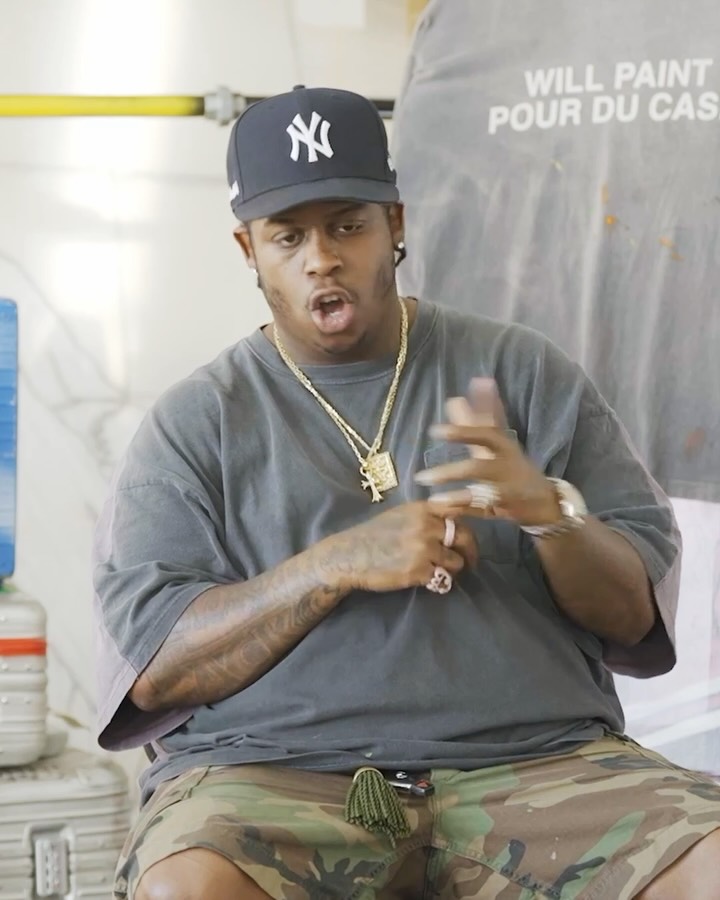
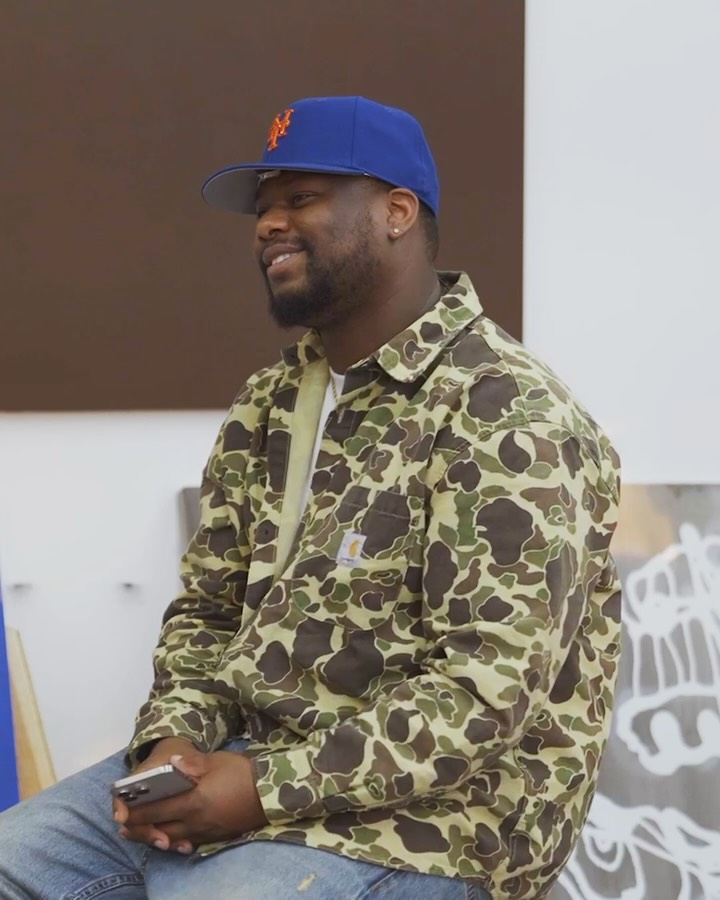
Jahlil Nzinga, formerly Stunnaman of Oakland rap group The Pack, has transitioned from music to painting. His work is in the permanent collection of the Pérez Art Museum Miami and he is named to Artsper's 26 Artists to Watch in 2026. He works in mixed media using acrylic, spray paint, charcoal, and enamel.
Key Points
- Jahlil Nzinga was Stunnaman in Oakland rap group The Pack alongside Lil B before his first visual art exhibition in 2015.
- His work has been acquired by the Pérez Art Museum Miami for their permanent collection, using a mixed-media approach of acrylic, spray paint, charcoal, and enamel.
- Artsper named Nzinga to their 26 Artists to Watch in 2026 list, a commercially calibrated indicator of expected gallery sales volume.
In 2007, Jahlil Nzinga was Stunnaman. He was a teenager from Oakland, California, rapping in The Pack alongside Lil B, Young L, and Lil Uno. They built the hyphy movement's last chapter out of the Bay Area before YouTube had algorithms and before anyone had a strategic plan. The vibes were the strategy.
In 2015, he held his first visual art exhibition. In 2026, his work is in the permanent collection of the Pérez Art Museum Miami. His name on the Artsper list of 26 artists to watch in 2026 is on a list of gallery-represented painters, not rappers.
That transition is not a pivot story. It is a character study.
Oakland, The Pack, and the Creative Disposition That Did Not Go Anywhere
The Pack were not a rap group that happened to dress well. They built their own aesthetic from jump, and that aesthetic was specific to a Bay Area moment that the rest of the country caught up to years later. The Pack's sneaker videos, their Vans fixation, their flat caps and flannel were Bay Area native in a way that had nothing borrowed from New York or Atlanta. Nzinga, as Stunnaman, was inside all of that.
When he moved to visual art, he did not leave that disposition behind. He brought a hyphy-era Bay Area eye to his canvases: bold, emotionally direct, anti-pretension. He works in acrylic, spray paint, charcoal, and enamel. Mixed media because clean single-medium painting felt false to how he actually sees things. The techniques read as abstract on first view and narrative on second.
Artsper Puts Him on the 2026 Watch List. The Pérez Collection Already Agreed.
Artsper named Nzinga to its 26 Artists to Watch in 2026 list in late 2025. Artsper's list is commercially calibrated, not reputation-managed, which makes it a useful temperature read on where gallery money is moving. They do not put people on that list for legacy. They put people on it because they expect sales volume to follow.
The Pérez Art Museum Miami's permanent collection is a different endorsement. PAMM collects across modern and contemporary art with a specific emphasis on work that engages with global perspectives and the Miami institutional conversation. Getting work acquired by a permanent collection is not a market signal. It is an institutional verdict. The institution has decided this work belongs in the building permanently alongside the artists who define the moment.
These two signals arriving simultaneously, the Artsper commercial watch and the PAMM institutional acquisition, do not happen by accident.
Acrylic, Spray Paint, Charcoal, Enamel. Why That Combination.
Nzinga's material choices are a statement about what painting should feel like.
Acrylic is immediate and flexible. Spray paint is democratic, associated with walls and streets, not studios. Charcoal admits uncertainty, shows every correction. Enamel is industrial, hard-edged, associated with signage and machinery. Using all four in the same canvas rejects the hierarchy that places certain materials above others in fine art. It is also specifically legible as a West Coast sensibility: the art scene that produced KAWS in New York versus the art scene that produced the Bay's blunted, flat-color, pop-adjacent visual grammar.
His stated goal is to let viewers interpret the work for themselves rather than anchor it to literal imagery. The work explores Black narratives through the lens of excellence rather than trauma. That framing is deliberate, and the combination of materials is part of how the intention becomes visible.
The OGM Interview and the Next Chapter
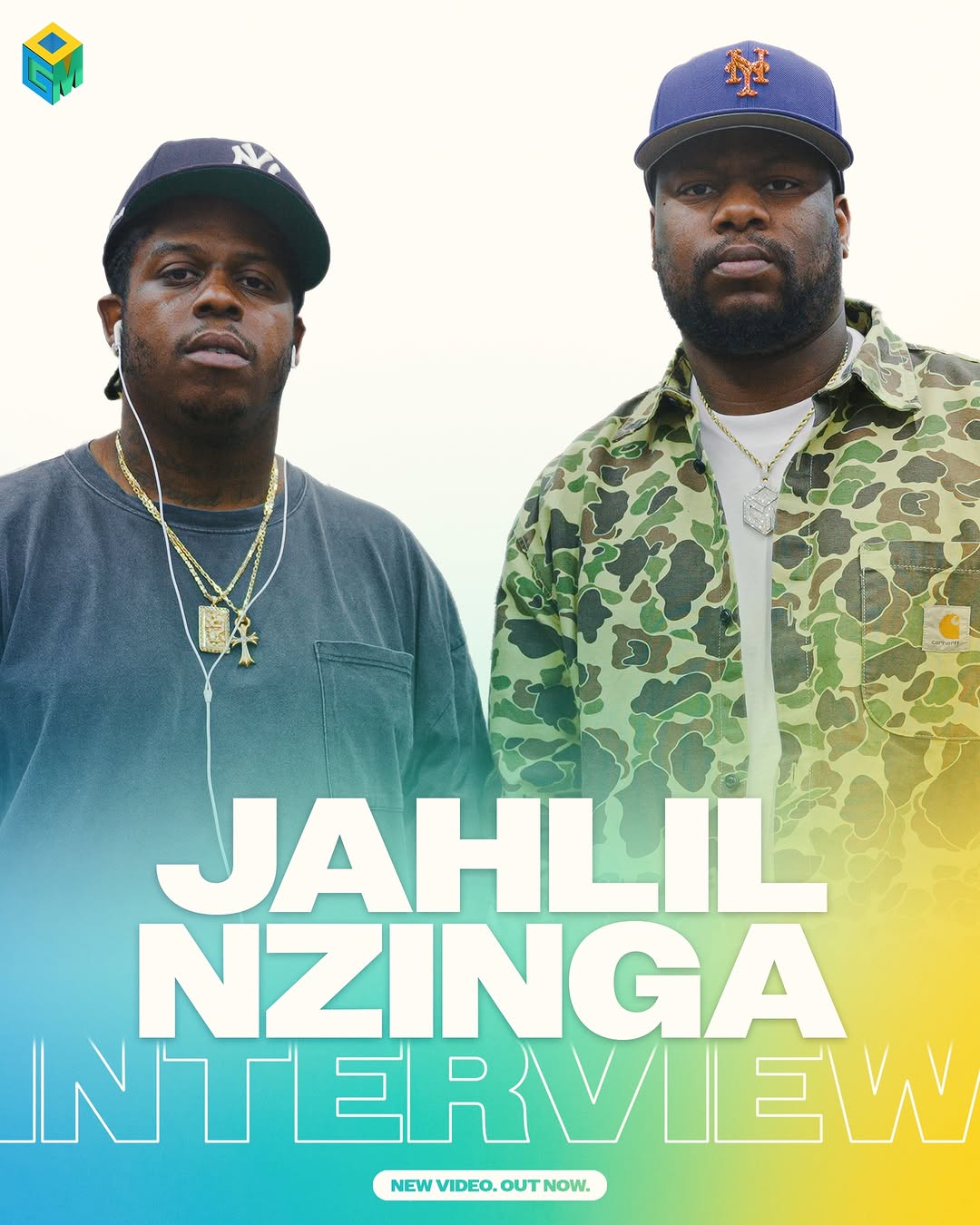
The Our Generation Music interview, which covers his transition from artist to painter and his creative process, is the closest thing to a public statement Nzinga has made about the arc from Stunnaman to the gallery system. He does not over-explain it. The work explains it.
2026 is the year the institutional and commercial systems are agreeing with the work. PAMM has it on the wall. Artsper expects collectors to follow. The Pack's archive still streams. All of it is still Nzinga. That is the thing nobody says: the pivot was not a reinvention. It was a continuation.
Related Reading
- MICHAEL BORREMANS AT 60 REDEFINES PAINTING'S LIMITS
- Why Jonas Wood Paints Tennis Courts Nobody Is Playing On
- AMOAKO BOAFO OPENS FIRST ITALIAN SOLO AT PALAZZO GRIMANI VENICE
Frequently Asked Questions
Who is Jahlil Nzinga?
Jahlil Nzinga is a contemporary painter from Oakland, California. He was previously known as Stunnaman, a member of Bay Area rap group The Pack alongside Lil B.
What museum has Jahlil Nzinga work?
The Pérez Art Museum Miami has acquired Nzinga's work for their permanent collection.
What materials does Jahlil Nzinga use?
Nzinga works in mixed media including acrylic, spray paint, charcoal, and enamel on canvas.
Topics: youtube, perez-art-museum, lil-b, contemporary-art, stunnaman, jahlil-nzinga, painting, the-pack, vans, focus-78-14, oakland