Marant Spring 2026 Is Running the Brand Under Its Own Name Now
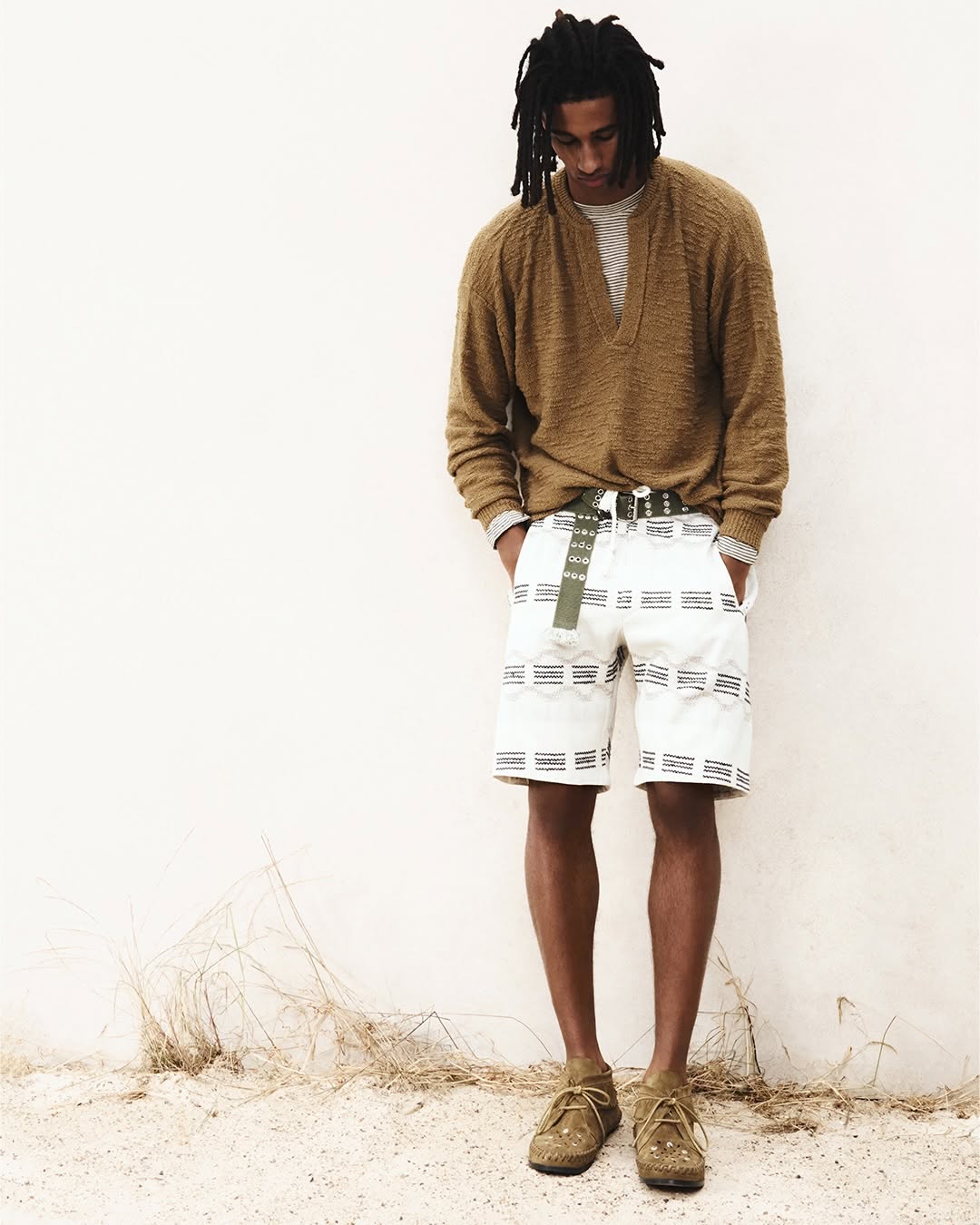
Marant Spring 2026 is the first full season operating entirely under the 2023 rebrand from Isabel Marant. The effortless Parisian-bohemian ease proposition holds for the creative-adjacent customer archetype the house has served consistently since 1994. Refinement, not redefinition.

Key Points
- Marant rebranded from Isabel Marant in 2023 — the abbreviation marks sufficient cultural legibility that the full founder name became redundant, following Valentino, Bottega, and Margiela
- The Spring 2026 campaign operates fully under the rebrand: #Marant, video in motion, the effortless Parisian-bohemian ease proposition held unchanged for the creative-adjacent customer
- Marant advances by refinement not redefinition — 30 years of holding the same customer archetype is unusual and commercially valuable; Spring 2026 deepens the existing position
Isabel Marant rebranded to Marant in 2023 — dropping the first name, simplifying the wordmark, and signaling a shift toward the brand as cultural entity rather than the designer as primary protagonist. Spring 2026 is the collection operating fully under that framework, and the campaign material makes clear that the transition has settled.
Why the First Name Goes
The move from Isabel Marant to Marant follows a pattern that only happens when a house has achieved sufficient cultural legibility that the founder's full name becomes redundant. Valentino. Bottega. Margiela. When you can abbreviate and your audience fills in the rest, you've reached a specific threshold.
For Marant specifically, the timing of the rebrand coincides with a broader repositioning exercise around the house's DNA — the Parisian bohemian ease, the mix of ethnic textile references and French tailoring, the specific boot-cut and biker-jacket configurations that have defined the label since its founding in 1994. Dropping "Isabel" clarifies what the house is selling: not a designer's personal vision, but a sustained aesthetic position.
The distinction matters commercially. A designer-named brand can be disrupted by change at the creative helm. A brand named after a position — a sensibility, a customer archetype — survives it.
The Spring 2026 Collection
The Spring 2026 campaign posts under #Marant, presenting the season's looks in the house's established register: effortless styling, outdoor and urban settings that feel unlabored, the sense that these clothes were put on rather than constructed for a photograph. The video component shows the collection in motion — fabric moving, silhouettes confirming that the ease is real rather than staged.
The seasonal proposition is consistent: a wardrobe for someone who has made fashion decisions and is done making them. The Marant customer doesn't experiment. They refine. A boot they understand, a leather piece they've been buying variations of for years, a woven textile that connects to work the house has done across multiple collections.
The Marant Customer
The brand has always served a specific archetype: the creative-adjacent professional, European or European-aspirant, someone for whom fashion is part of a life rather than the center of it. The wardrobe should look considered without looking effortful. The clothes should read as chosen rather than assembled.
That archetype has remained consistent through 30 years of the house's operation, which is unusual. Most fashion brands drift — toward a younger demographic when sales soften, toward a higher price point when margins require it, toward a more editorial aesthetic when cultural credibility is threatened. Marant has held its customer.
Refinement Over Redefinition
Some brands advance their visual language by redefining it periodically. New creative director, new aesthetic, new customer. Marant advances by refinement — deepening what the house already knows how to do, pushing the materials further, tightening the proportions, expanding the colorway logic.
Spring 2026 is more of both: more Marant, refined. The #Marant rebrand completed the formal separation between founder and label. The Spring 2026 collection is the first full season operating entirely in that separated space. The campaign says the house doesn't need the founder's first name to know what it's doing.
30 Years of One Customer
Most fashion brands attempt to broaden their demographic over time. Sales soften and the instinct is to reach younger, reach wider, reach cheaper. Marant has done the opposite: it has deepened. The customer the house served in 1994 — the creative professional with a specific taste for Parisian ease and global textile reference — is still the customer in 2026. They are 30 years older and considerably wealthier.
That consistency is commercially unusual and creatively valuable. It means the house doesn't have to start from scratch with each collection. It can operate from an established vocabulary — the boot, the leather, the woven textile, the effortless silhouette — and ask only what the next thing to say within that vocabulary is.
Spring 2026 says it with confidence. The #Marant rebrand is settled. The customer is there. The collection knows what it is.
Related: A.P.C. Neige Gets Bigger in Summer Shades and Hailun Ma Photos.
Frequently Asked Questions
Why did Isabel Marant rebrand to Marant?
In 2023, Isabel Marant dropped the first name to shift the brand from designer-centric identity to a standalone label, following a pattern seen at Bottega Veneta, Valentino, and Philo.
What is the Marant Spring 2026 aesthetic?
The Spring 2026 collection continues the house's Parisian bohemian ease — loose silhouettes, ethnic textile references, and a deliberately unlabored styling approach.
Topics: isabel marant, valentino, campaign, paris, french fashion, bohemian, spring 2026, marant, rebrand