Denis Villeneuve's Answer to AI Is Being Unpredictable
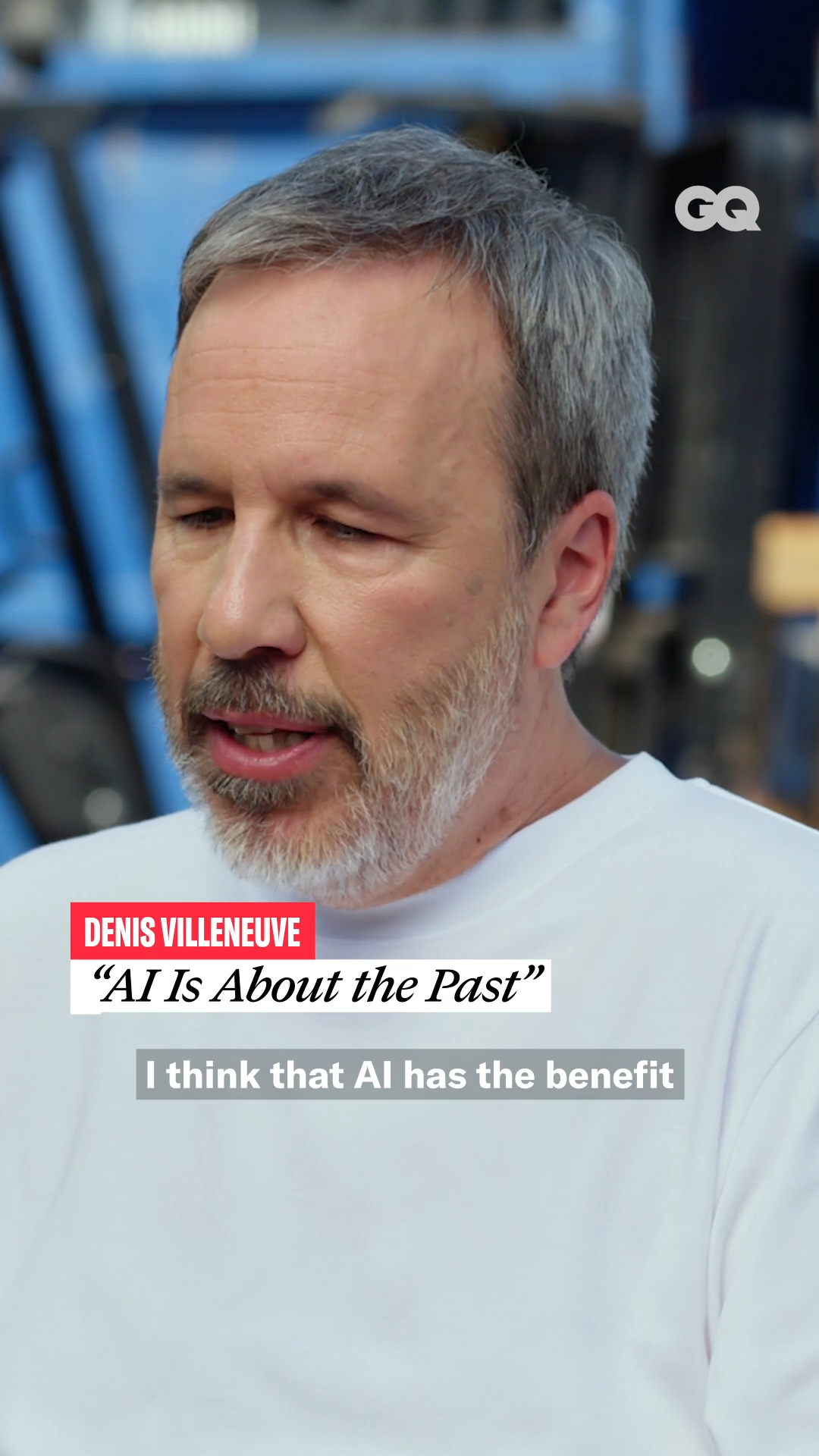
Denis Villeneuve, named GQ's Director of the Year, told GQ's One More Question that "if we want to be better than AI, we have to be unpredictable," and called adapting Dune a risk, especially the third film. Dune Part Three, adapting Dune Messiah, opens December 18, 2026, shot on formats from IMAX 65mm film to 16mm, and Villeneuve cast Robert Pattinson as Scytale there before Amazon MGM named him the next James Bond on November 16, 2026.
Key Points
- GQ named Denis Villeneuve its Director of the Year and he told Zach Baron to beat AI, be unpredictable
- Dune Part Three was shot from IMAX 65mm film to 16mm, plus black and white stock made for optical sound
- Villeneuve cast Robert Pattinson as Scytale in Dune, then as 007 in the Bond film he directs
Denis Villeneuve has a plan for competing with AI, and it isn't a tool. "If we want to be better than AI, we have to be unpredictable," GQ's Director of the Year said, sitting down with Zach Baron for the magazine's One More Question series. He means it as a working rule, and the third Dune film is where he's been testing it.
He told GQ that adapting Dune for the screen was a risk from the start, and that the forthcoming third installment was especially risky. Stepping into the unknown, in his telling, is what makes the work great. Coming from the man who just spent most of a decade on Arrakis, that's not a slogan. It's a description of how he picks his next move.
Villeneuve is the most useful voice in film on AI right now because he doesn't argue about whether the software is good. He argues about what it can't do, which is surprise anyone.
Models Trained on the Past Can't Guess His Next Shot
Villeneuve's case against AI is about time, not quality. Earlier this month, Mars Magazine reported his argument that AI deals with the past, with things that already exist, while creativity means stepping into the unknown and the future. The GQ line is the practical version of that. If a model learns from everything that's been made, the only ground it can't cover is the thing nobody has made yet.
He has banned phones from his sets for years, calling cinema an act of presence. Back in October 2024, at a London screening of Dune Part Two, he said the part of filmmaking he loves most is the collective act of creativity, a room of people trying to make something like poetry together. None of that is anti technology. He shoots on the biggest cameras in the business. It's a defense of the one ingredient a prompt can't supply, which is a group of people who don't know yet how the scene will turn out.
The quiet feature in his argument is the word "we." He isn't telling a lone artist to outrun the machine. He's talking about a crew.
Part Three Was Shot on Almost Every Format There Is
The risk he described to GQ shows up first in the camera. Linus Sandgren, the third film's cinematographer, said at the Hamilton Behind the Camera Awards this month that the production landed on filming in almost every format, from IMAX 65mm film to digital to what he called poetic 16mm. Villeneuve handed him the cinematography award that night.
Sandgren also said the crew used black and white film stock made for optical sound, not for cameras at all.
That's an odd choice for a film this size. A franchise finale is supposed to be the safest shot in the building. Instead Villeneuve had a new IMAX lens hand crafted for it, as he revealed in March, then mixed that format with stock meant for a soundtrack. You can't predict that look from the first two films, and that's the point he was making to Baron.
The story is a swerve too. Part Three adapts Frank Herbert's Dune Messiah, the 1969 novel where Paul Atreides has won and the winning curdles. Timothée Chalamet has called it the eeriest of the three and "a big swing." Villeneuve has said it will be his last Dune film. In that GQ conversation, he said the second film improved on the first, and with the third he did "something even better."
He's grading his own homework, sure. He's also the director who said he'd only make a third Dune if it could beat Part Two, which made $714 million.
Robert Pattinson Was the Unpredictable Pick
The best proof that Villeneuve means it is a casting decision. He put Robert Pattinson in the third Dune as Scytale, the Tleilaxu face dancer who can wear anyone's face, a character the posters introduced in March next to a scarred Chalamet.
Then on Monday, November 16, Amazon MGM named Pattinson the next 007, in the Bond film Villeneuve is directing. Villeneuve said Pattinson has "the timeless soul of 007."
So the GQ quote isn't a director dunking on software for applause. It's a hiring philosophy. A studio looking at a model's best guess for Bond would've landed on whoever looked most like the last one. Villeneuve went the other way twice, both times with Pattinson.
Unpredictable Is a Habit Directors Can Keep
For anyone who makes things, the useful part of the GQ line is that it's a habit, not a feeling. Being unpredictable means choosing the stock that wasn't built for cameras, the actor who wasn't the obvious read, and the book where the hero's victory goes wrong. It means doing that while the safe version is sitting right there and would probably make money.
AI makes the safe version cheaper every month. That's the trade. The average shot, the average casting, the average sequel are getting easier to produce, which makes the surprising ones worth more.
Villeneuve's bet, made in public as GQ's Director of the Year, is that audiences can tell the difference. Part Three is the first test when it opens on December 18, a franchise finale shot on IMAX film, digital and 16mm.
Bond is the second, and his 007 is the actor he already cast as a man who can wear another face.
Frequently Asked Questions
What did Denis Villeneuve say about AI in his GQ interview?
Villeneuve said "If we want to be better than AI, we have to be unpredictable," and called stepping into the unknown what makes filmmaking great.
Why did Denis Villeneuve call Dune Part Three a risk?
He told GQ adapting Dune was a risk, especially the third installment, which adapts Dune Messiah and was shot on formats from IMAX 65mm film to 16mm and optical sound stock.
When does Dune Part Three come out?
Dune Part Three opens in theaters on December 18, 2026.
Topics: james-bond, dune-part-three, filmmaking, gq, imax, artificial-intelligence, robert-pattinson, denis-villeneuve