BIG Built Three Rammed Earth Villas Into a Japanese Island
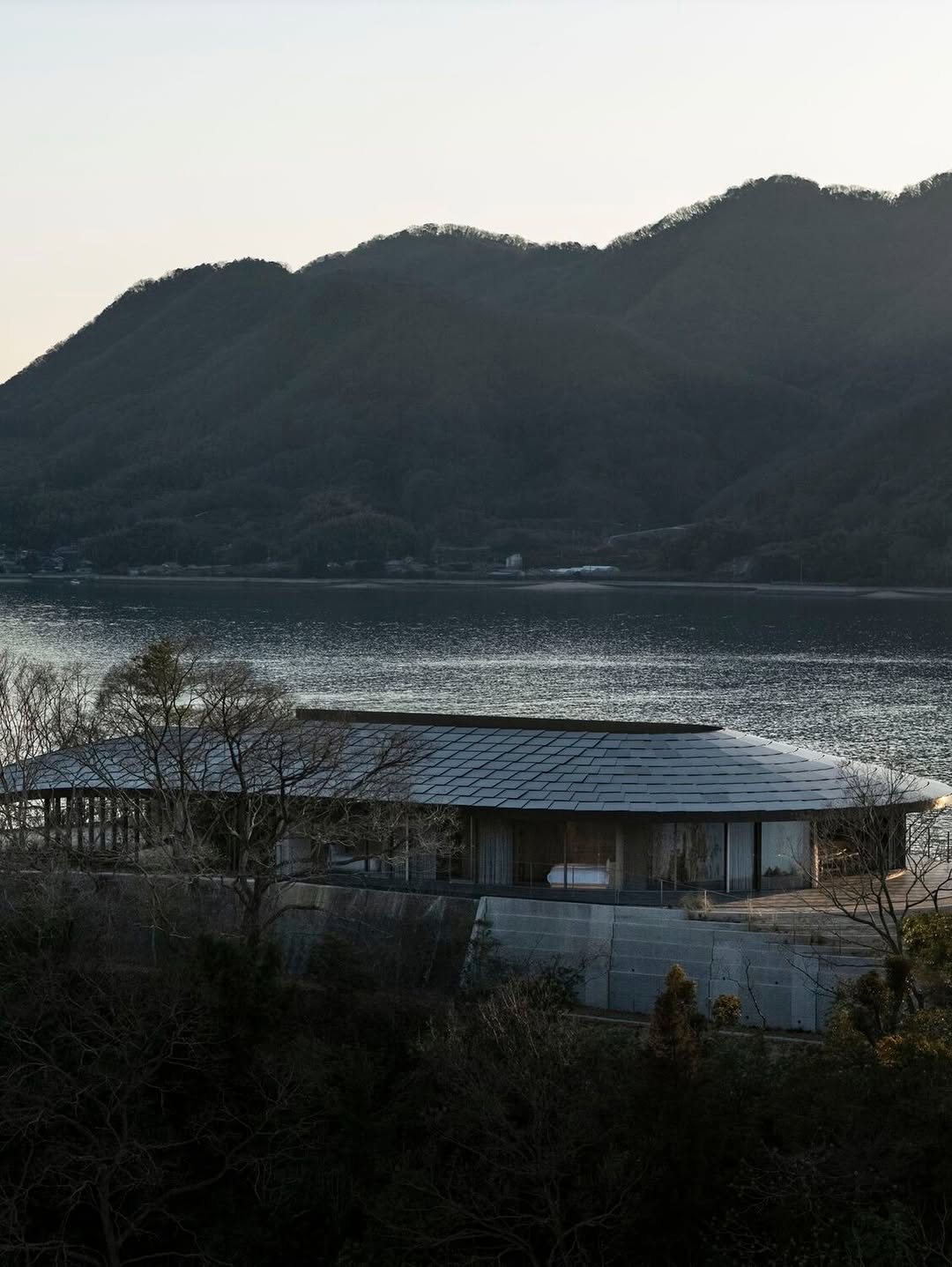
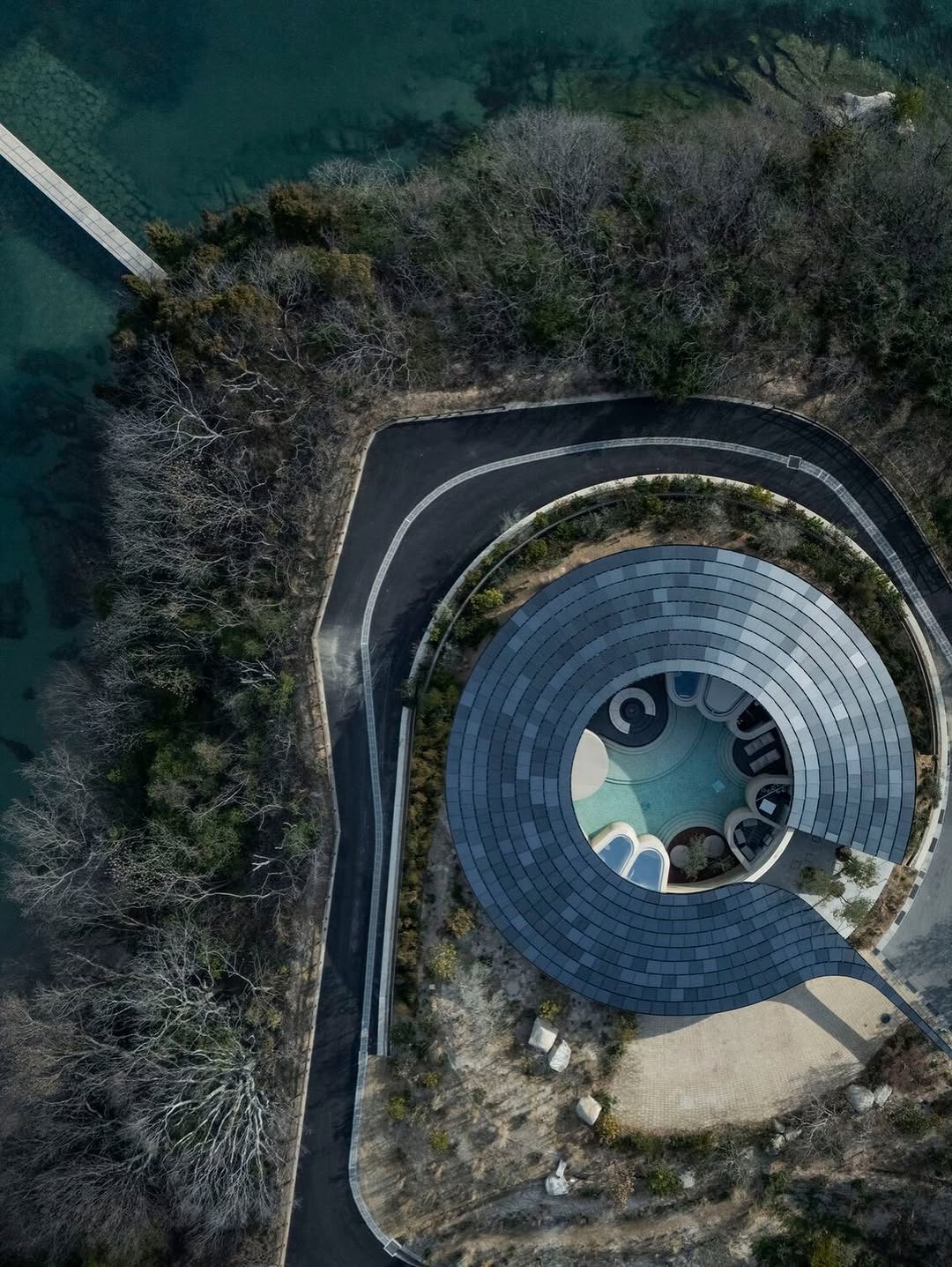
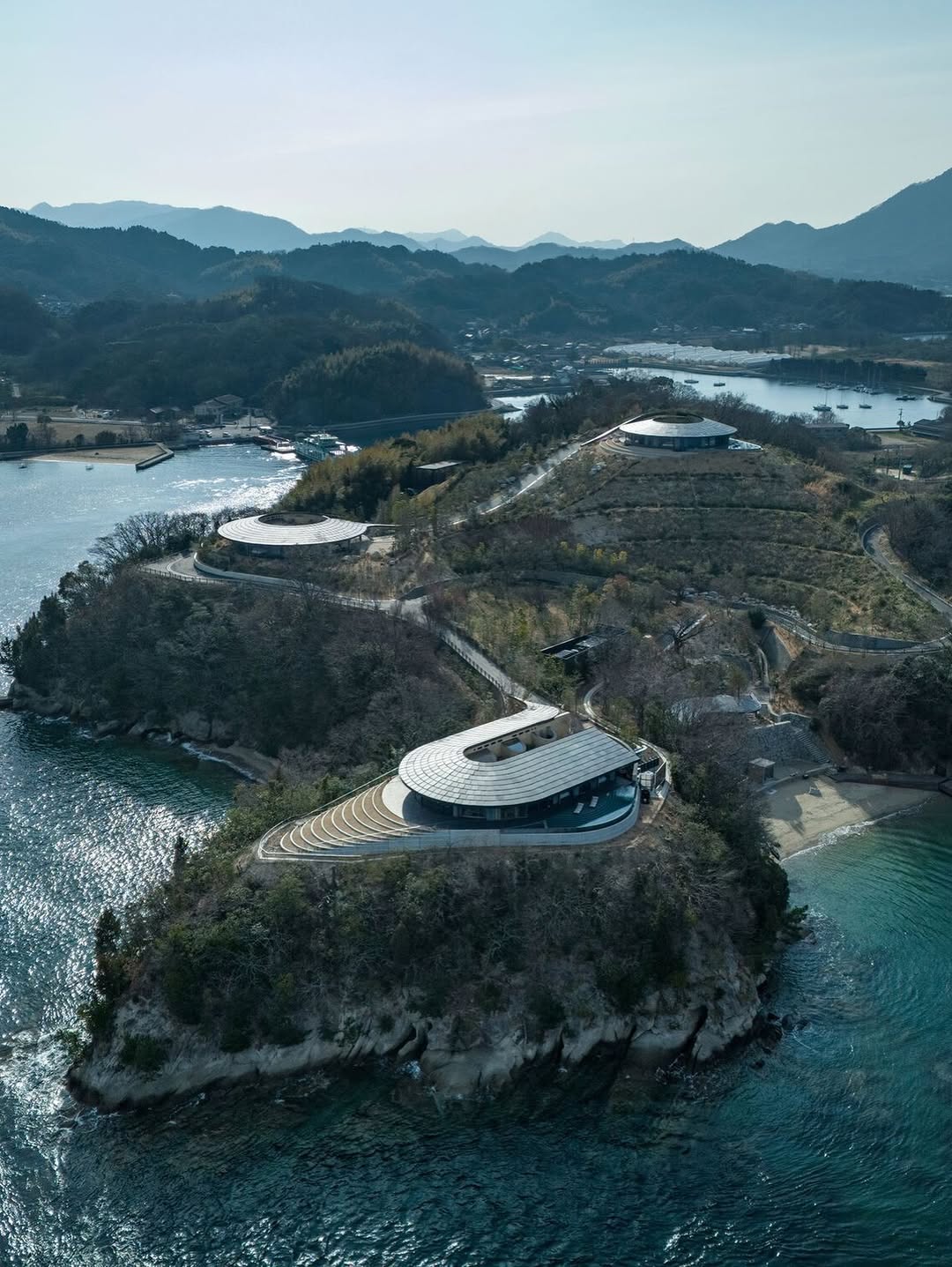
BIG (Bjarke Ingels Group) completed three rammed earth villas for NotAHotel on Sagishima Island in Japan's Seto Inland Sea, which opened on April 1, 2026 as BIG's first built project in Japan. The villas, named 180, 270, and 360 for their panoramic view angles, were constructed using soil extracted directly from the site. The 30,000-square-meter property also includes a beachfront restaurant and private beach, operated under NotAHotel's co-ownership model.
Key Points
- Three villas named 180, 270, and 360 for panoramic view degrees; BIG's first completed project in Japan
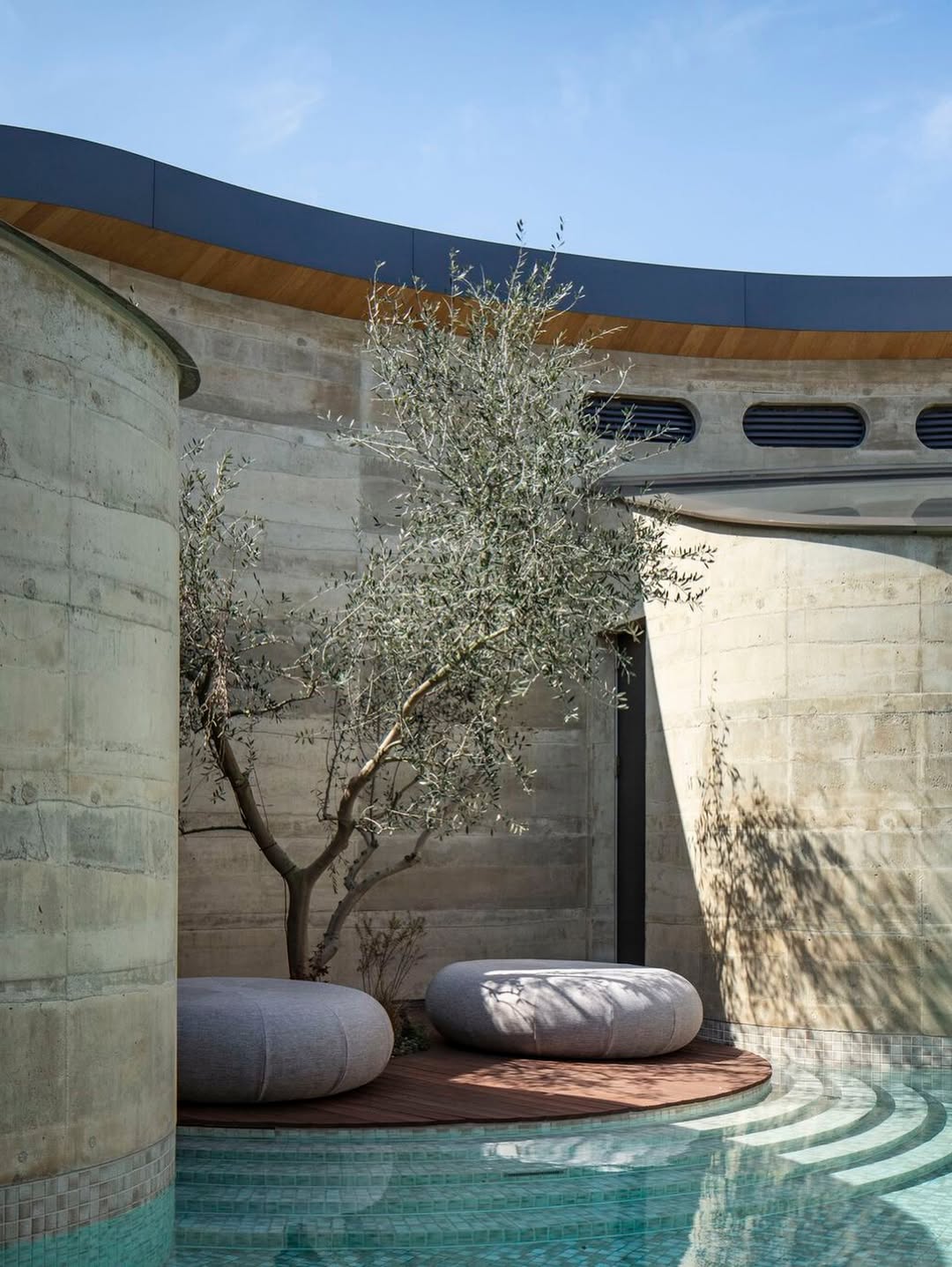
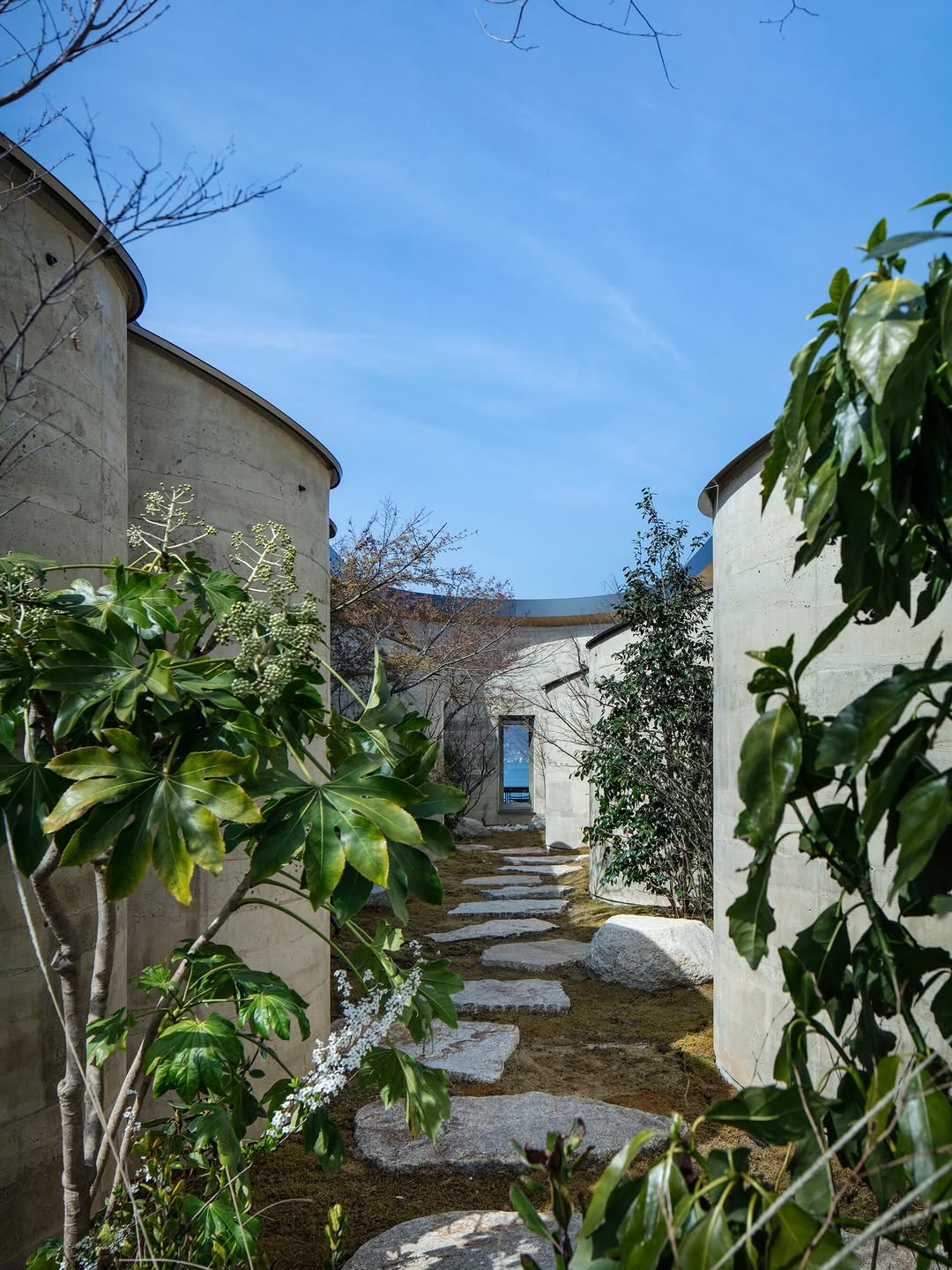
- Walls built from soil extracted directly from the 30,000-sq-meter Sagishima site using rammed earth technique
- NotAHotel operates co-ownership model; opened April 1, 2026 with beachfront restaurant and private beach
Sagishima Island does not have a road to the outside world. To arrive at the villas BIG designed for NotAHotel, you travel by ferry across the Seto Inland Sea. Then you are on a 30,000-square-meter site that the architects primarily left alone. Every wall was built from the ground beneath it.
Rammed Earth From 30,000 Square Meters of Sagishima Soil
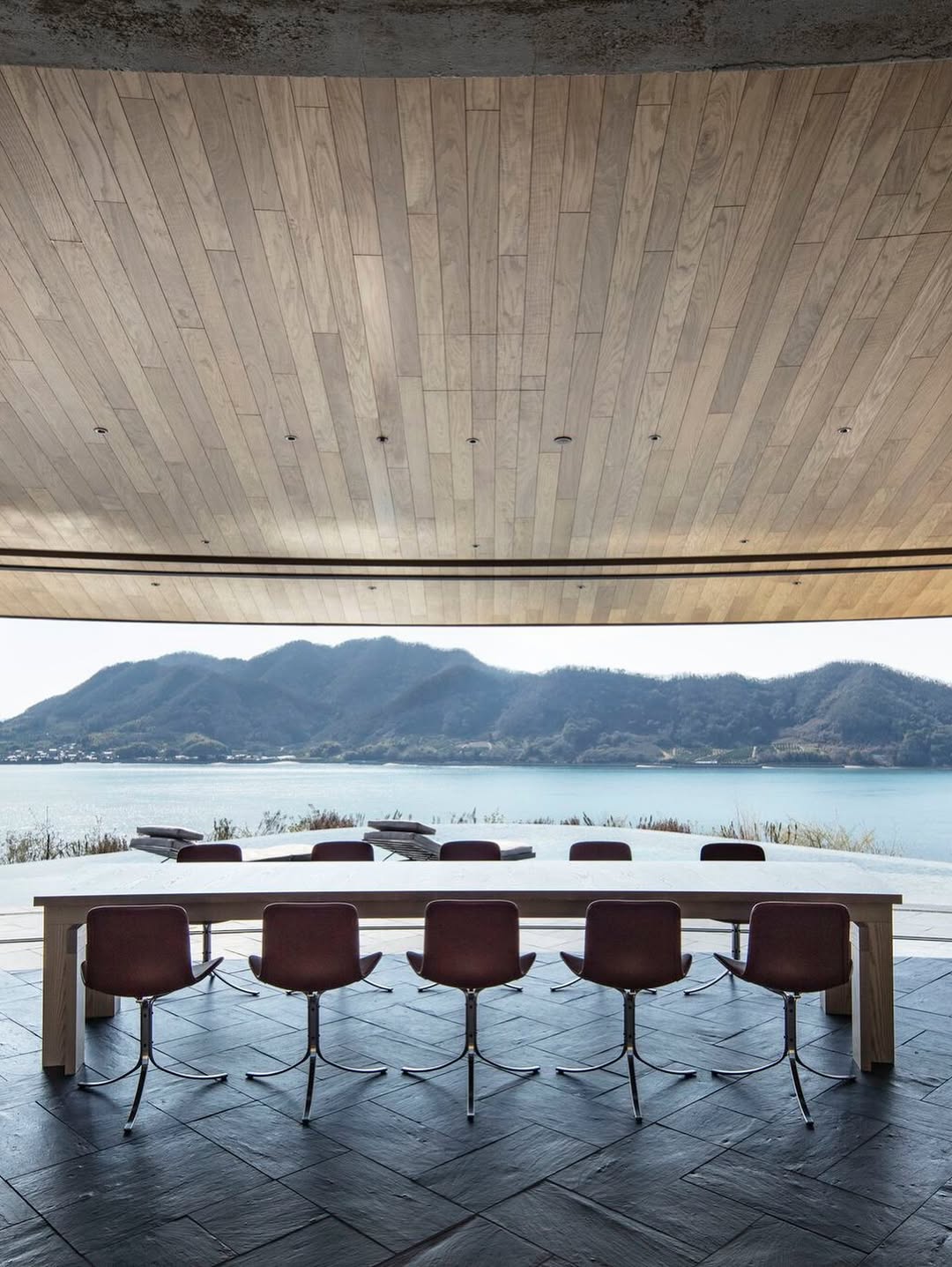
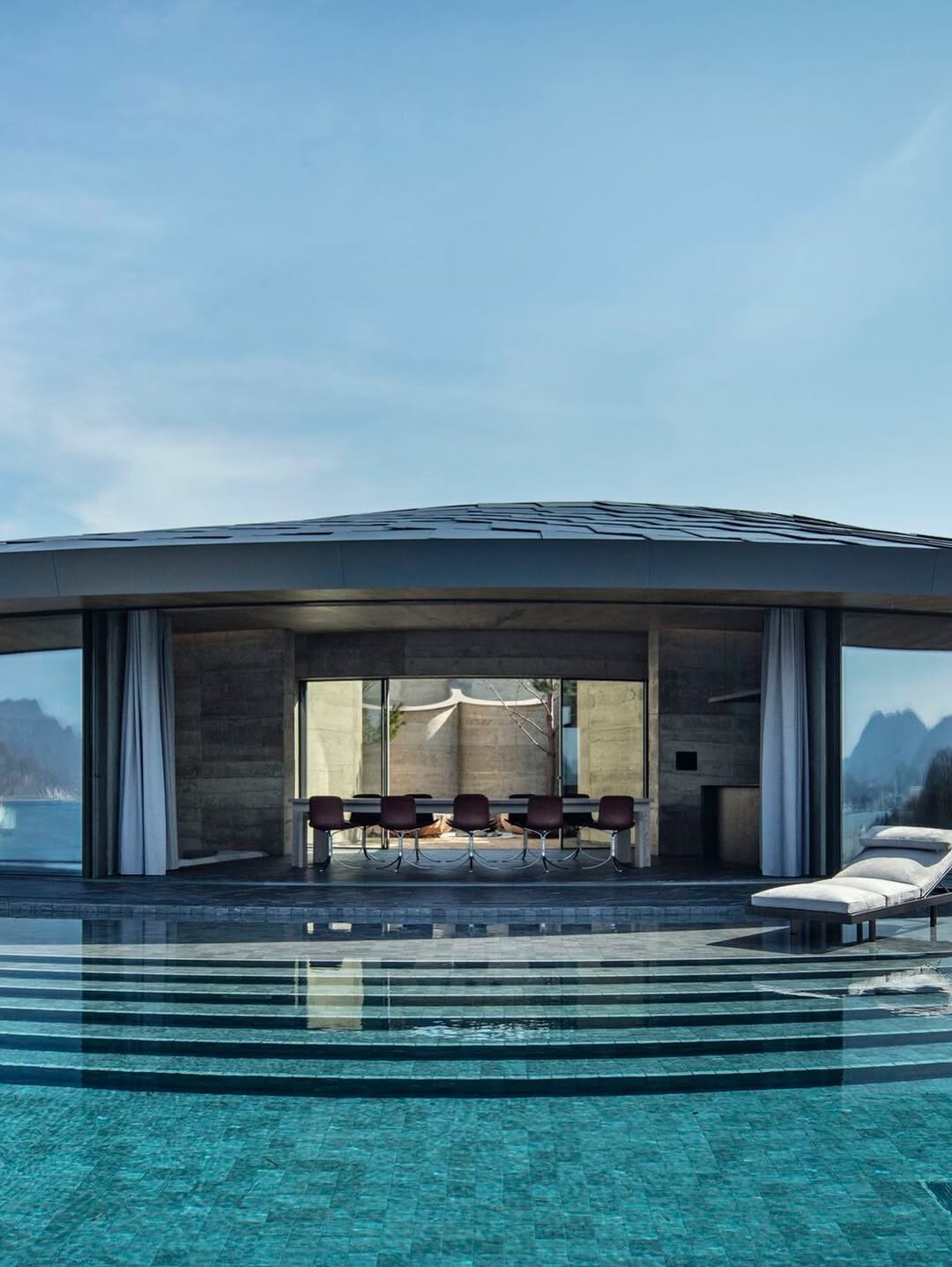
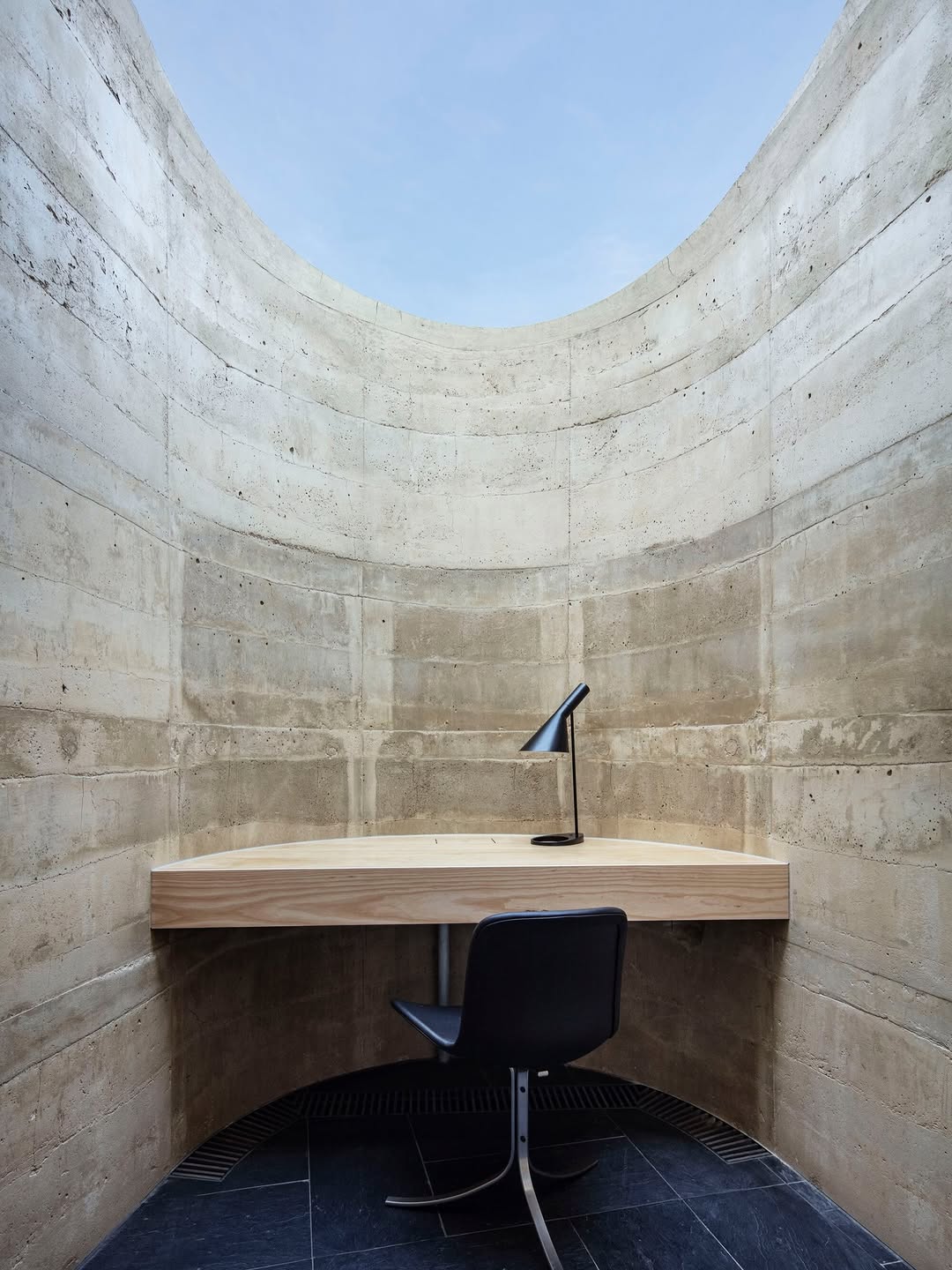
The three villas are named 180, 270, and 360, each figure representing the degrees of panoramic view available from that structure. They are four-bedroom residences built using the rammed earth technique, a construction method where material is excavated directly from the project site, mixed with minimal stabilizers, layered in forms, and compressed until it sets as a load-bearing wall. The science is not new. The Alhambra uses it. Moroccan kasbahs use it. BIG's version integrates solar tiles on the roof and full glass facades designed to reinterpret Japanese shoji screens.
BIG had been publishing renders of this project for years. As of April 1, 2026, the villas are operational. That is BIG's first completed project on Japanese soil.
Scandinavian Functionalism, Shoji as Structural Reference
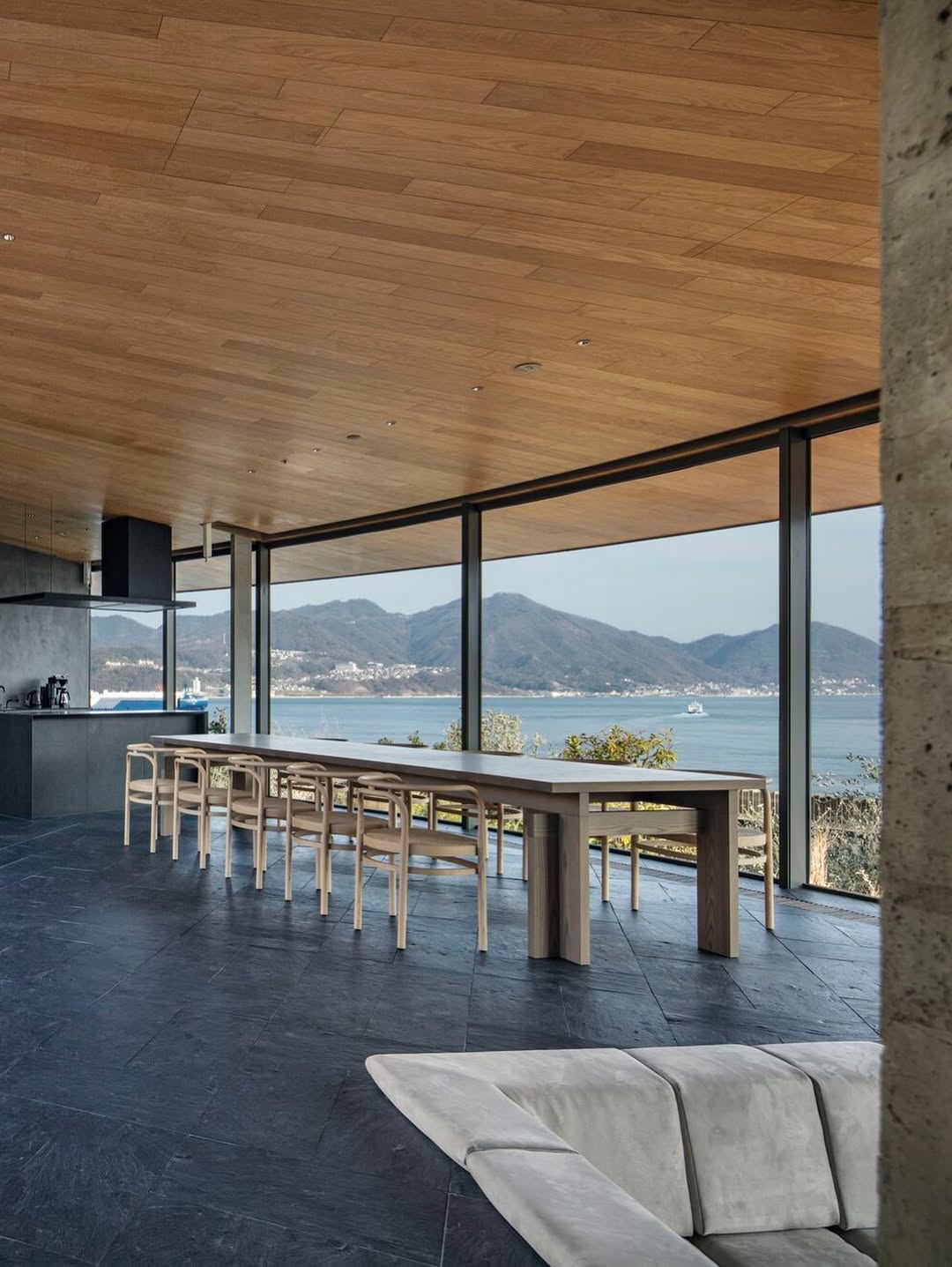
The visual language is deliberate and cross-cultural. BIG merged Scandinavian functionalism with traditional Japanese residential architecture at the material level. Where Scandinavian design uses clean lines and local timber, the Sagishima project uses local earth and reinforced glass. The shoji screen serves as the design DNA for the glass wall system, which regulates light across the interior the same way rice paper diffuses it in a traditional house.
Landscape restoration was embedded in the masterplan. Native vegetation, specifically olive and lemon trees documented on Sagishima before development intensified, was reintroduced across the site. That decision costs money and schedule time. NotAHotel made both calls.
April 1, 2026; The Same Month Porsche Launched an Open-Air GT3
Two completely different categories of expensive object opened in April 2026 sharing the same design principle: remove the barrier between the occupant and the environment and see what the experience becomes. Porsche removed the GT3's roof. BIG removed the fourth wall at Sagishima and replaced it with glass facing the Seto sea.
NotAHotel operates on a co-ownership model. You do not rent a room by the night. You buy a share of a villa and schedule your weeks. The three villas at Sagishima are the first BIG-designed entries in that ownership system, accompanied by a beachfront restaurant and a private beach.
Kenta Hasegawa Shot the Completed Project; Type7 Covered the Renders in 2024
Photographer Kenta Hasegawa documented the completed villas. His images show buildings that recede into the island's topography rather than announce themselves. That is what rammed earth does when you build it from site-sourced material: the wall color matches the ground because it is the ground, compressed. The 180, 270, and 360 villas do not look imported. They look excavated.
Type7 published the renders two years ago when this project was still speculative geometry. The completed buildings opened in April 2026 and immediately entered the conversation about what luxury hospitality means when the measure of luxury is not the object itself but the silence around it.
Related Reading
- ADIDAS HYPERBOOST EDGE IS THE RUNNING SHOE THAT ADMITS BOOST NEEDED AN UPGRADE
- ARSHAM'S ORGANIC WAVES RESHAPE Equinox HOLLYWOOD
- AUDEMARS PIGUET DROPS RARE 150TH ANNIVERSARY MERCH
Frequently Asked Questions
Where is the NotAHotel Setouchi project located?
The project is on Sagishima Island in Japan's Seto Inland Sea, on a 30,000-square-meter coastal site at the island's southwestern cape.
Who designed the NotAHotel Setouchi villas?
Bjarke Ingels Group (BIG) designed the three villas, named 180, 270, and 360, which opened on April 1, 2026 as BIG's first completed built project in Japan.
What is the rammed earth construction method used at NotAHotel Setouchi?
Rammed earth uses soil extracted directly from the project site, layered into forms, and compressed into load-bearing walls. At Sagishima, the walls match the island's topography because they are built from it.
Topics: rammed-earth, notahotel, seto-inland-sea, bjarke-ingels, sustainable-design, type7, japan-architecture, focus-56-98, porsche, big, luxury-hospitality