Type7 Builds the Garage as the Collection's Final Room
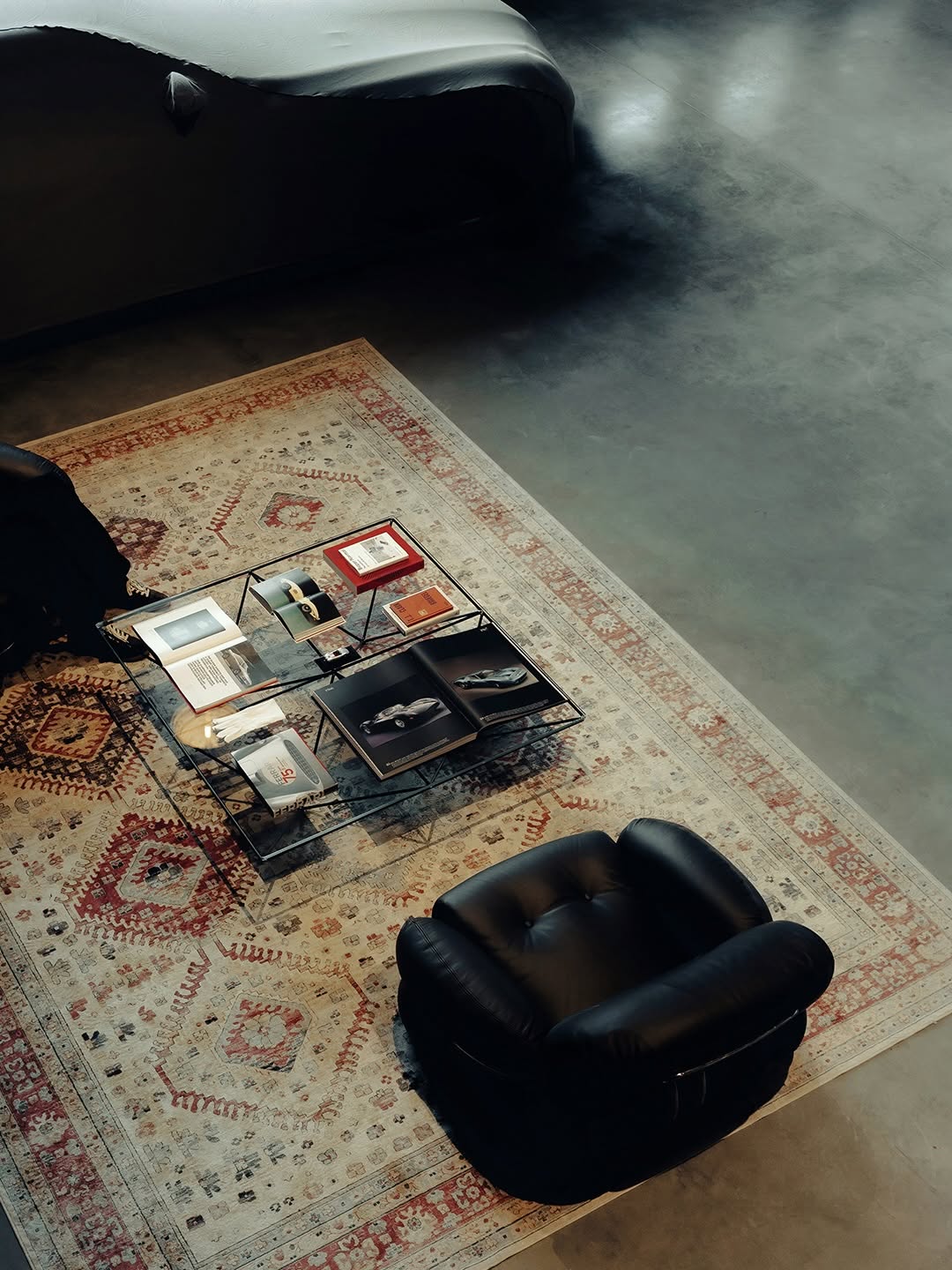
Type7 designs bespoke luxury garage environments for serious automotive collectors, treating the storage space as a curated architectural room. Their approach uses layered directional lighting, concealed infrastructure, and furniture-quality finishes to create environments comparable to residential galleries. The company serves collectors whose vehicles require more than commercial facility conditions.


Key Points
- Type7 designs bespoke car storage environments treating collector vehicles as architectural objects.
- The 16-image documentation shows multi-directional sculptural lighting, furniture-quality cabinetry, and high-performance neutral flooring.
- Type7's product is not storage but the architectural signal that a collection deserves architectural intention.
For a long time, the collector says, his cars lived in commercial storage facilities, or worse, the underground parking bays at an office or apartment building, and it never felt right. Cars like these deserve a space and a setting that does them justice.
That is the brief. Type7, the luxury automotive lifestyle company, built the answer. The result is documented across 16 images that show what happens when a collector stops treating storage as infrastructure and starts treating it as architecture.
The Problem With Commercial Facilities
A commercial storage facility is designed for throughput, not curation. Concrete floors under fluorescent tubes. Humidity control absent. Climate management minimal. Security adequate, not exceptional. For a standard automobile, this is fine. For a collector whose vehicles represent decades of acquisition, maintenance, and in some cases significant financial appreciation, it is a misalignment between object value and environmental quality that the owner quoted above experienced as wrong every time he visited.
Type7's position in the market is exactly this gap between what commercial facilities offer and what significant collections require. The company operates at the intersection of automotive passion, interior design, and hospitality, building spaces that feel like museum-quality environments rather than parking structures.
What the 16 Images Show
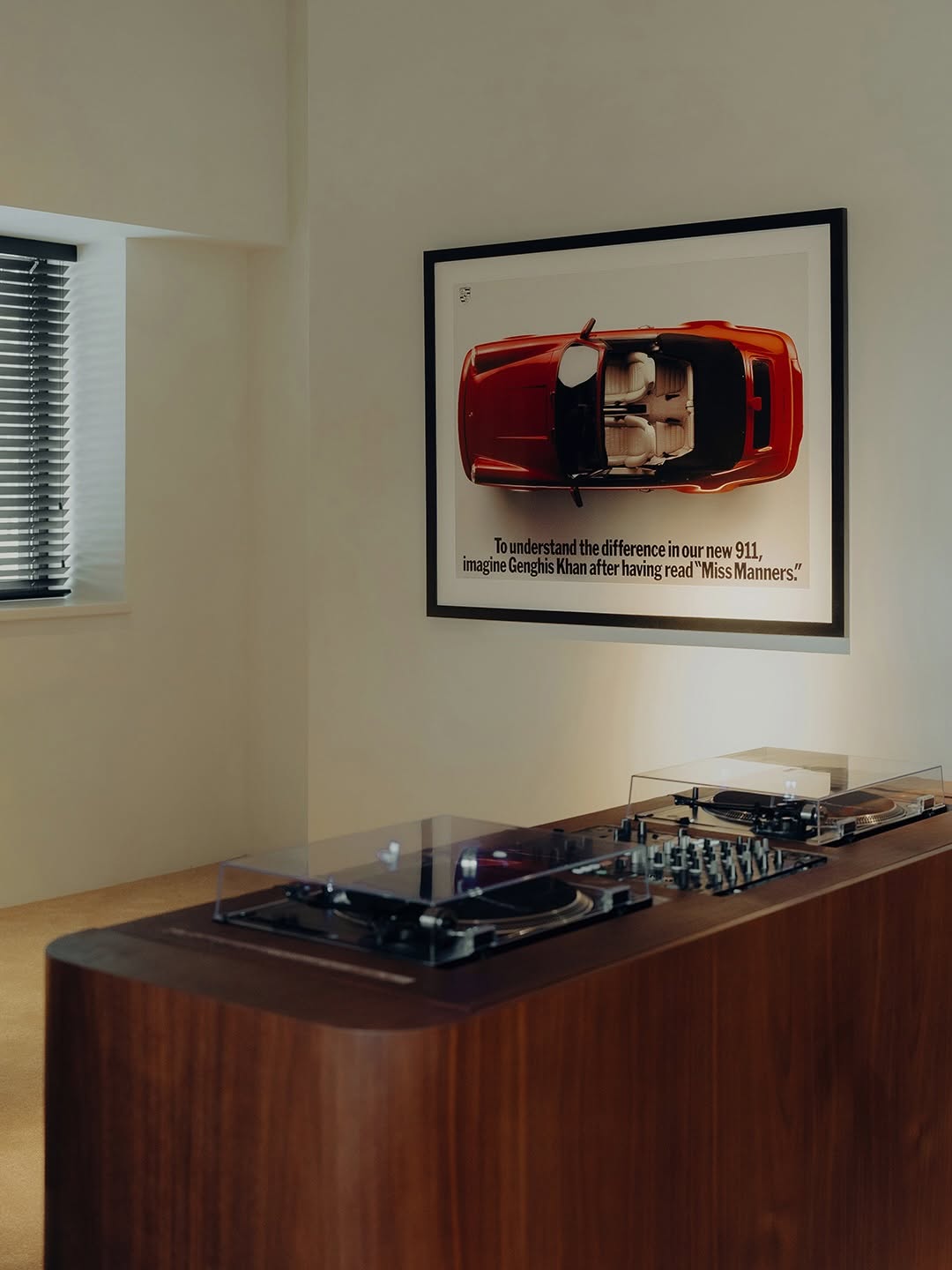
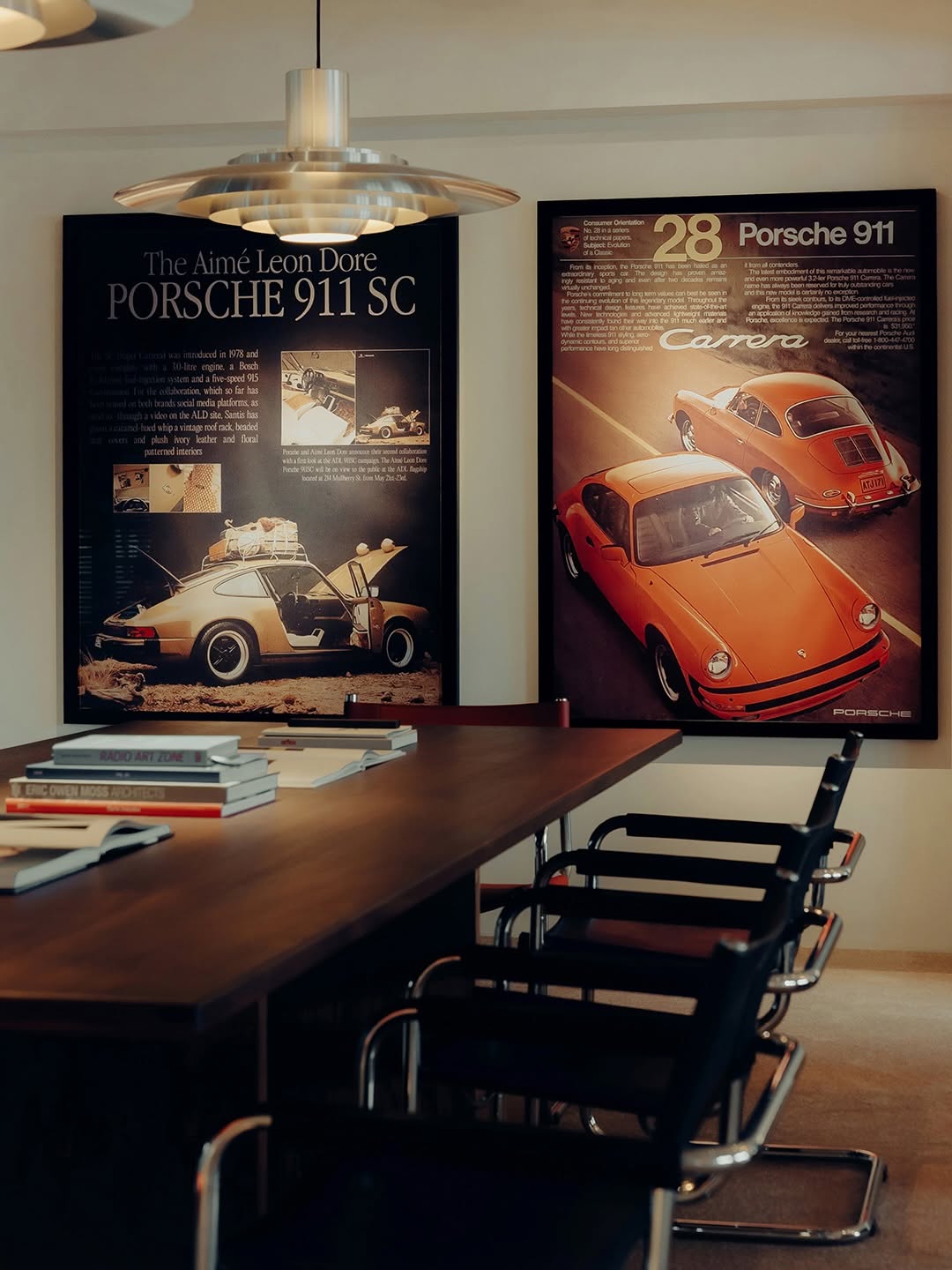
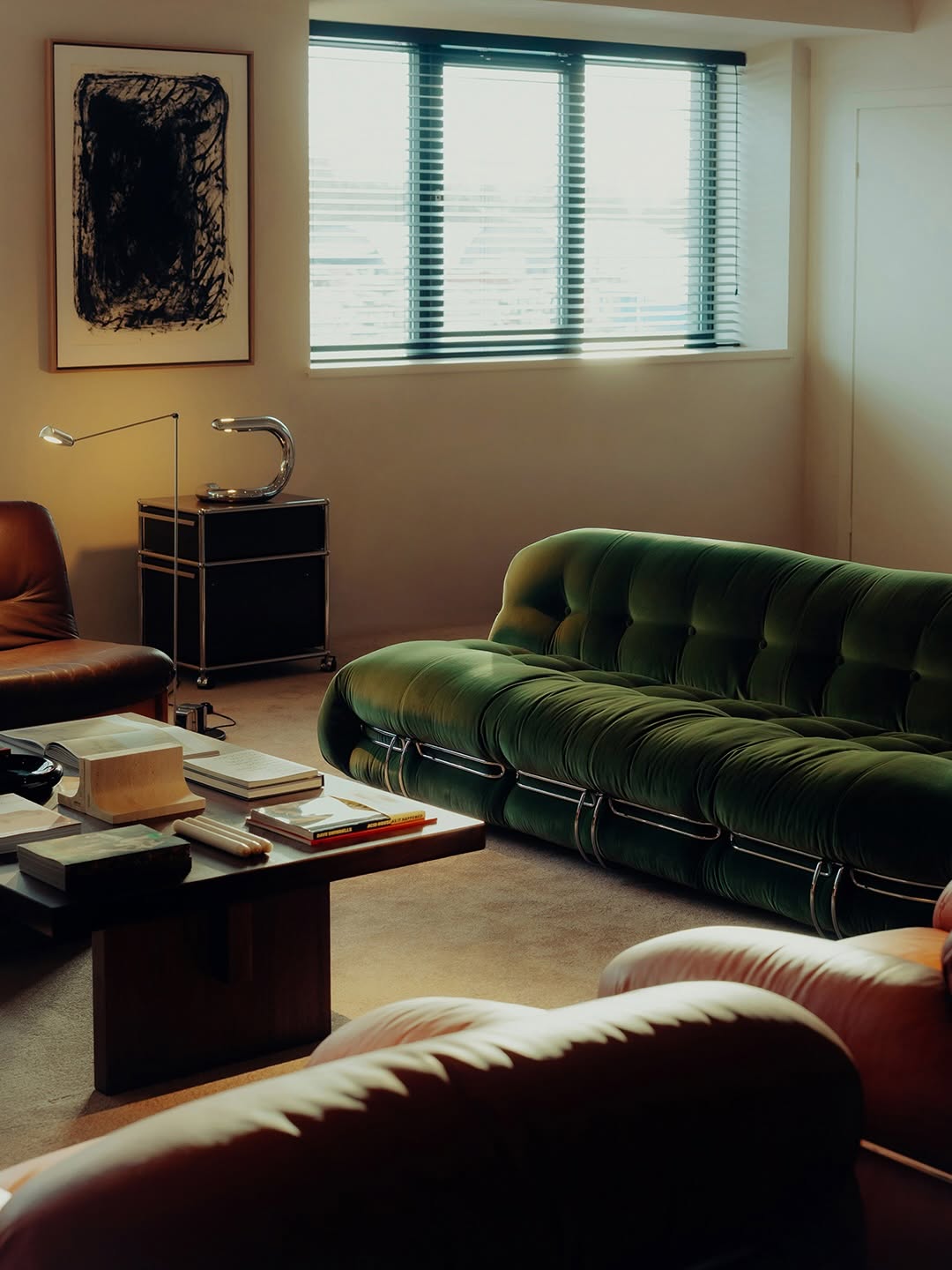
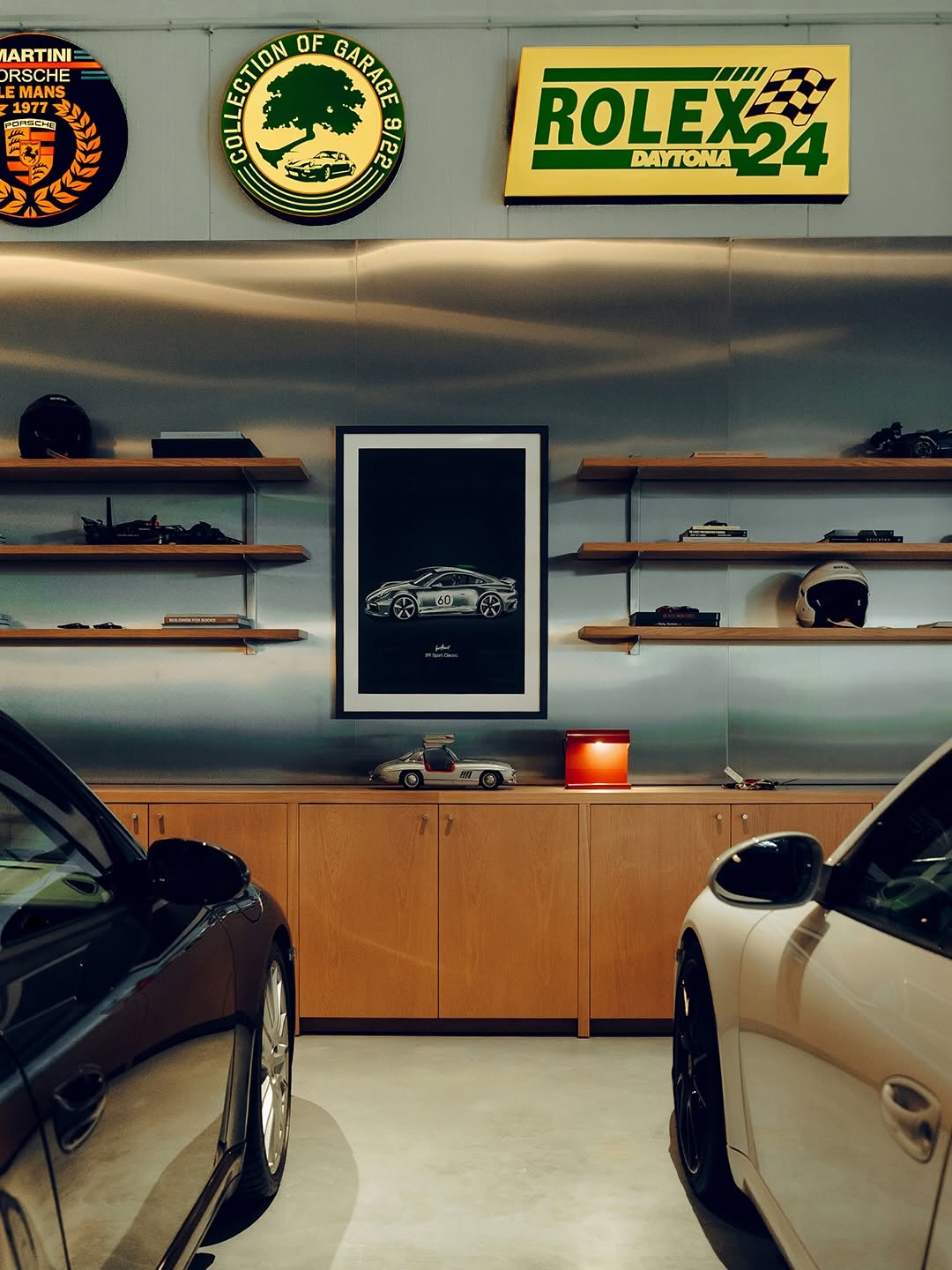
The space documented here uses layered lighting. Not a single overhead source but multiple directional elements designed to model the vehicle forms from different angles simultaneously, the same logic a sculptor uses when positioning lights in a studio to understand the three-dimensional surface of a work in progress. The floor appears to be a high-performance coating in a neutral tone chosen to reflect light upward rather than absorb it. The cabinetry is built-in, hidden, and furniture-quality.
There are no visible hoses, no equipment left in frames, no visible infrastructure at all beyond the cars themselves and the surfaces built to hold them. This level of concealment is expensive. It requires planning during the construction phase, not as a retrofit. The collector who had cars in underground parking bays is now looking at a room that would read credibly as a residential gallery if the cars were replaced with sculpture.
The Design Decision That Matters Most
The most consequential design decision in a space like this is not the lighting or the floor coating. It is the decision to build it at all, and to build it at a standard that requires the rest of the collector's life to rise to meet it. A room this serious about its contents creates a social pressure toward the collection itself: objects stored in this environment take on a different weight because the environment communicates that they were worth building a room for.
That is Type7's actual product. Not storage. Not vehicle care. But the signal that the collection is serious enough to justify architectural intention. The collector quoted in the caption understood that something was wrong in the underground parking bay. What Type7 gave him was the evidence that he was right to have noticed.
Related Reading
- EDITION OFFICE BUILT ABOVE THE GROUND IN MELBOURNE
- GONZALO BARDACH BUILT HOUSE JR INTO THE EARTH
- How Norm Architects Designed the Repulse Bay Residence as Vision, Not Plan
Frequently Asked Questions
What is Type7?
Type7 is a luxury automotive lifestyle company that designs and builds bespoke storage environments for collector vehicle collections, treating garages as curated, gallery-quality spaces.
What makes Type7 car storage different from commercial facilities?
Type7 builds spaces with layered directional lighting, furniture-quality cabinetry, high-performance flooring, and full climate and humidity management — designed around the specific aesthetic and functional needs of significant vehicle collections.
Who uses Type7 car storage?
Type7 serves serious automotive collectors whose vehicles represent significant financial and personal value, and who require storage environments that reflect that value architecturally.
Topics: automotive-design, automotive-lifestyle, type7, luxury-car-storage, interior-design, focus-52-61, design, car-collection, bespoke-garage