Same Old, Pragma Practice, and Valentin Giacobetti in a 1951 House
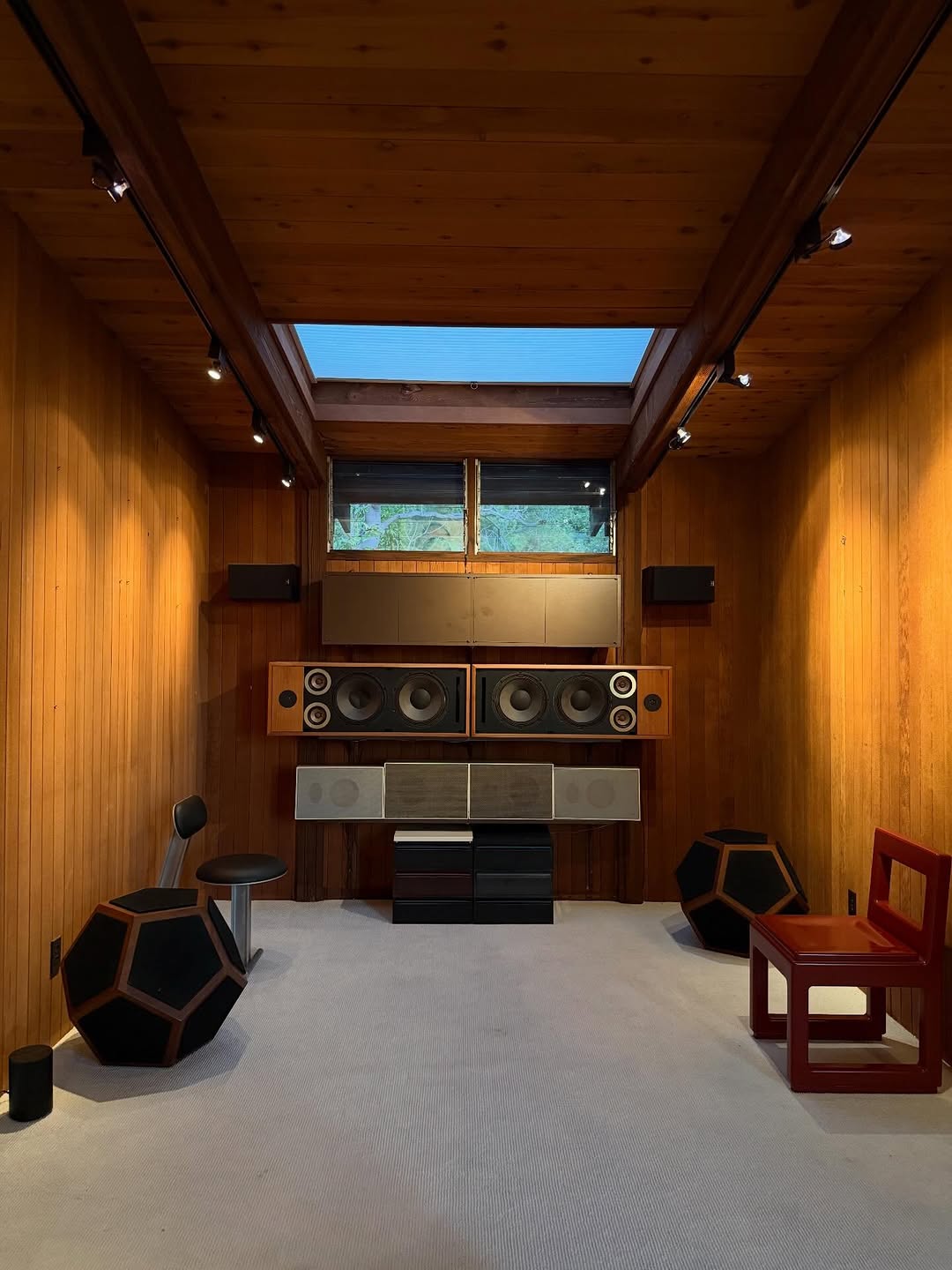
Sahar Habibi documented an evening with creative practitioners Same Old, Pragma Practice, and Valentin B. Giacobetti at a 1951 mid-century Japanese home, producing 21 photographs and one video. The gathering brought together a fashion-adjacent creative platform, a multi-disciplinary design studio, and a Paris-based editorial photographer in a space that archives post-war Japanese residential architecture.
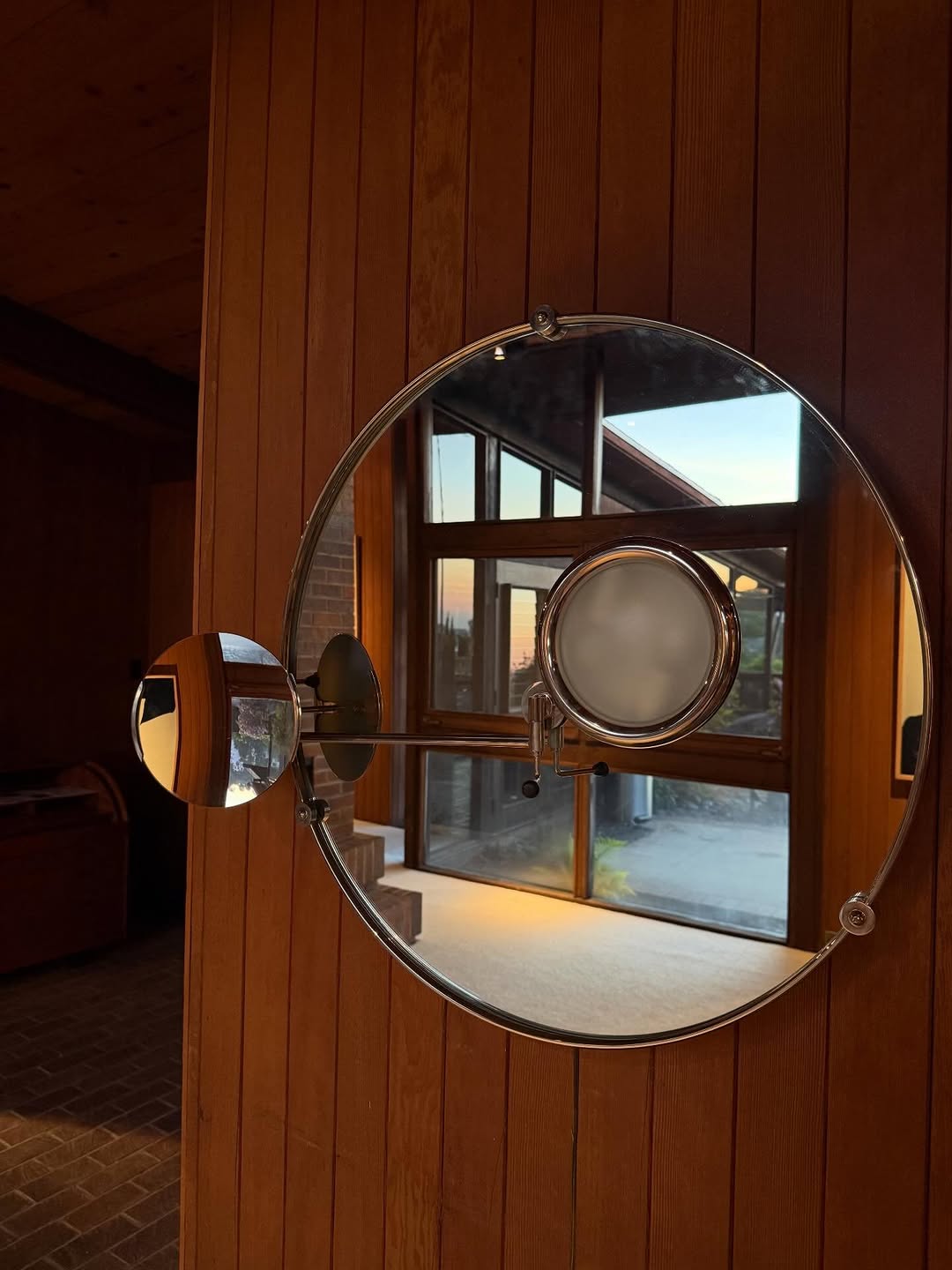
Key Points
- The gathering included Sahar Habibi, Same Old (creative platform), Pragma Practice (design studio), and Valentin B. Giacobetti (Paris photographer).
- The 1951 mid-century Japanese house predates Metabolism and represents the negotiation between Western modernism and traditional Japanese spatial logic.
- The 21-image, one-video documentation suggests curatorial intention rather than casual social media capture.
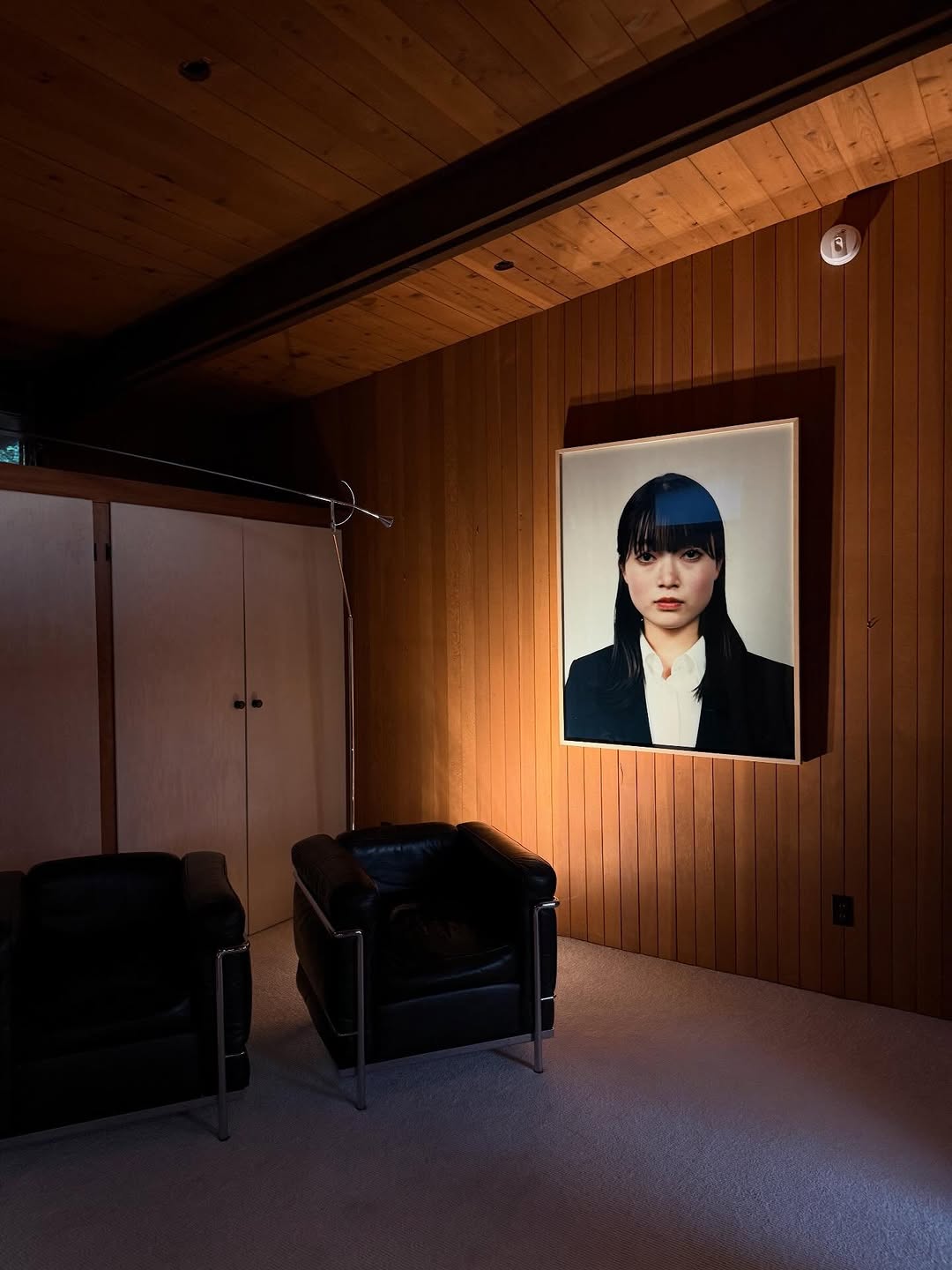
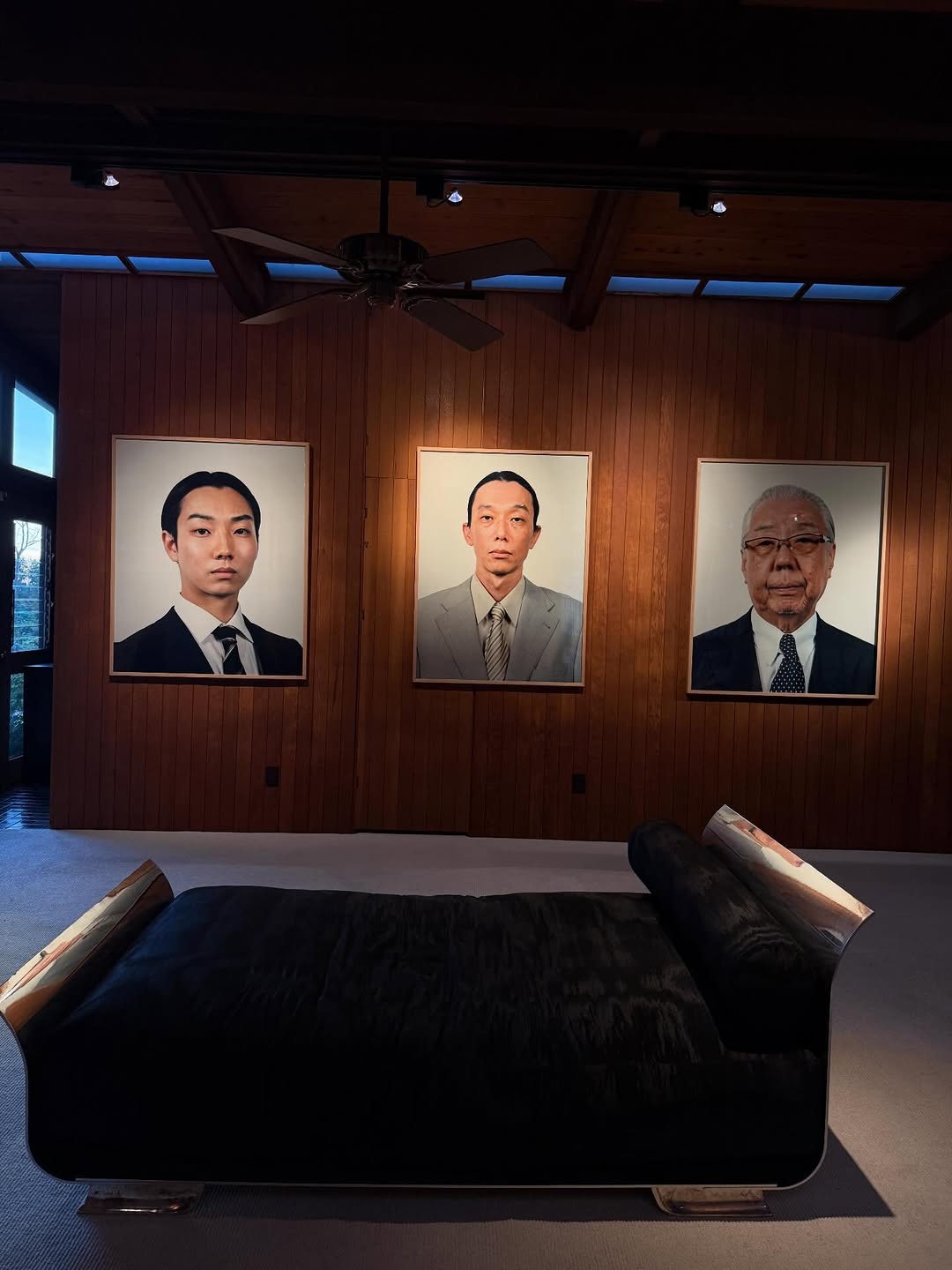
The house was built in 1951. Mid-century Japanese residential architecture at that point operated on principles that Western modernism was still working out theoretically: lightweight structural systems, the room as a flexible container rather than a fixed function, the garden as an extension of interior space rather than a separate outdoor zone. The people in the photographs are Sahar Habibi, Same Old, Pragma Practice, and Valentin B. Giacobetti. The caption says it was an evening spent together in the house. The 21 images say considerably more.
Same Old, Pragma Practice, Giacobetti
Same Old is a creative platform that operates in the fashion and editorial space. Pragma Practice is a multi-disciplinary design studio whose output spans furniture, publication design, and branding. Valentin B. Giacobetti is a Paris-based photographer whose work has appeared in Acne Studios campaigns, Dries Van Noten editorial, and independent publication contexts.
These are not random social media connections gathered for a dinner photograph. These are people whose work intersects at the point where material culture, visual documentation, and independent creative production overlap. A gathering of three organizations in this specific combination produces something that the internet reads as content but that functions as a working session between practitioners who share aesthetic commitments.
1951 as a Design Reference
A house built in 1951 in Japan is a material archive. The post-war decade produced Japanese residential architecture under conditions of material scarcity and philosophical reconstruction simultaneously. The International Style was arriving from Europe and America while Japanese architects were developing the metabolist movement that would reach its peak in the 1970s. A 1951 house sits before Metabolism crystallized, in a moment when modernism and traditional Japanese spatial logic were still negotiating.
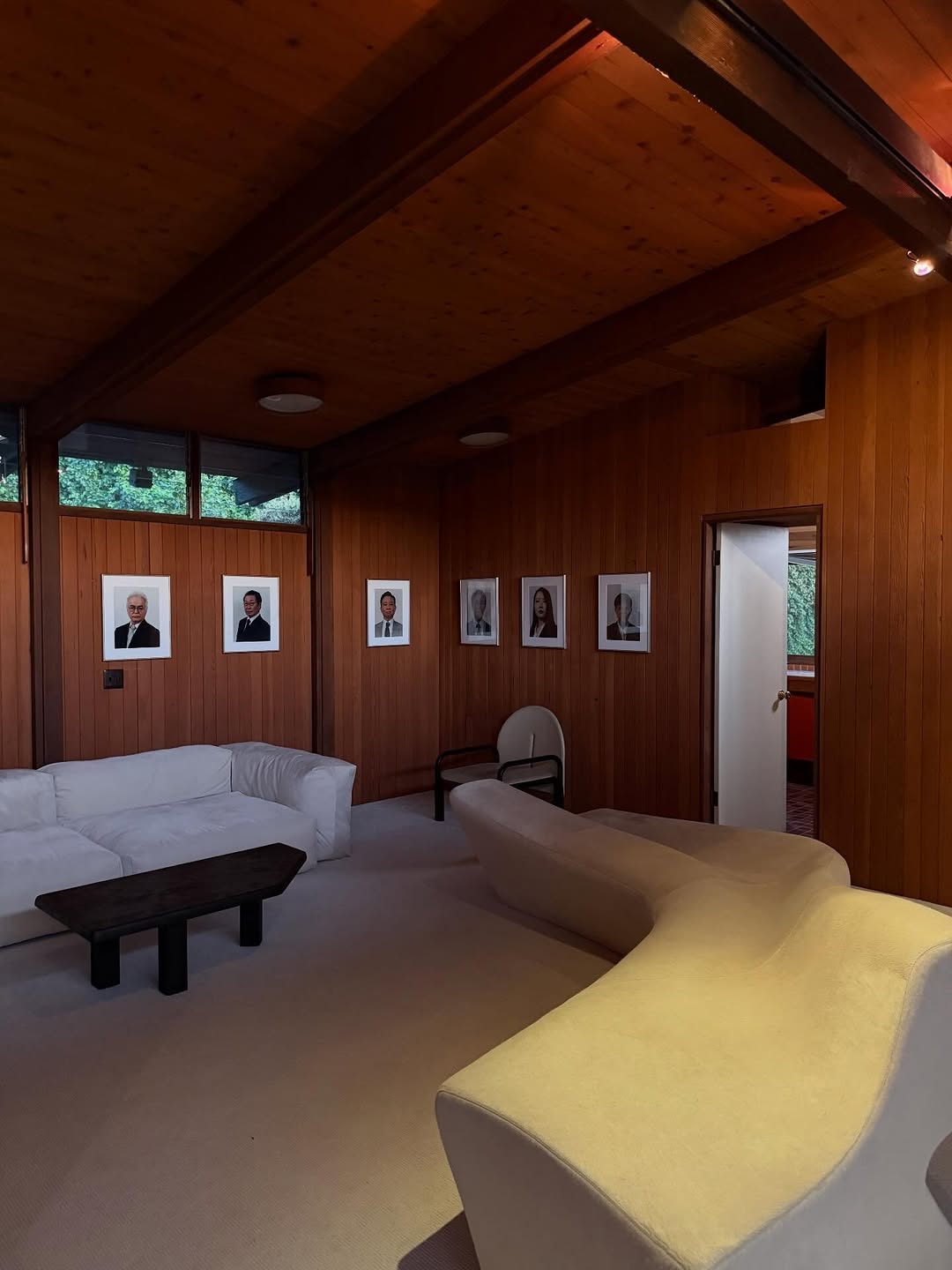
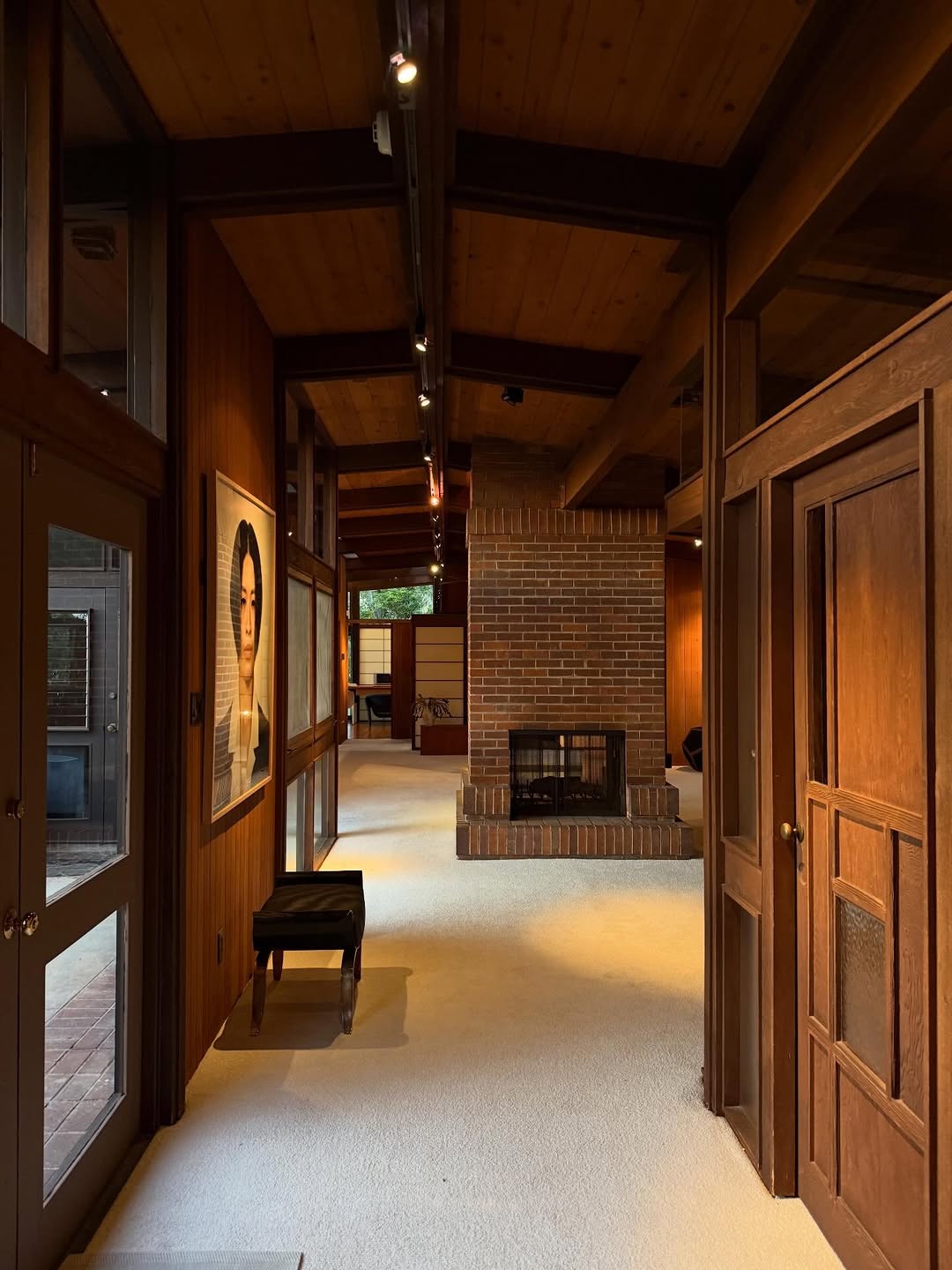
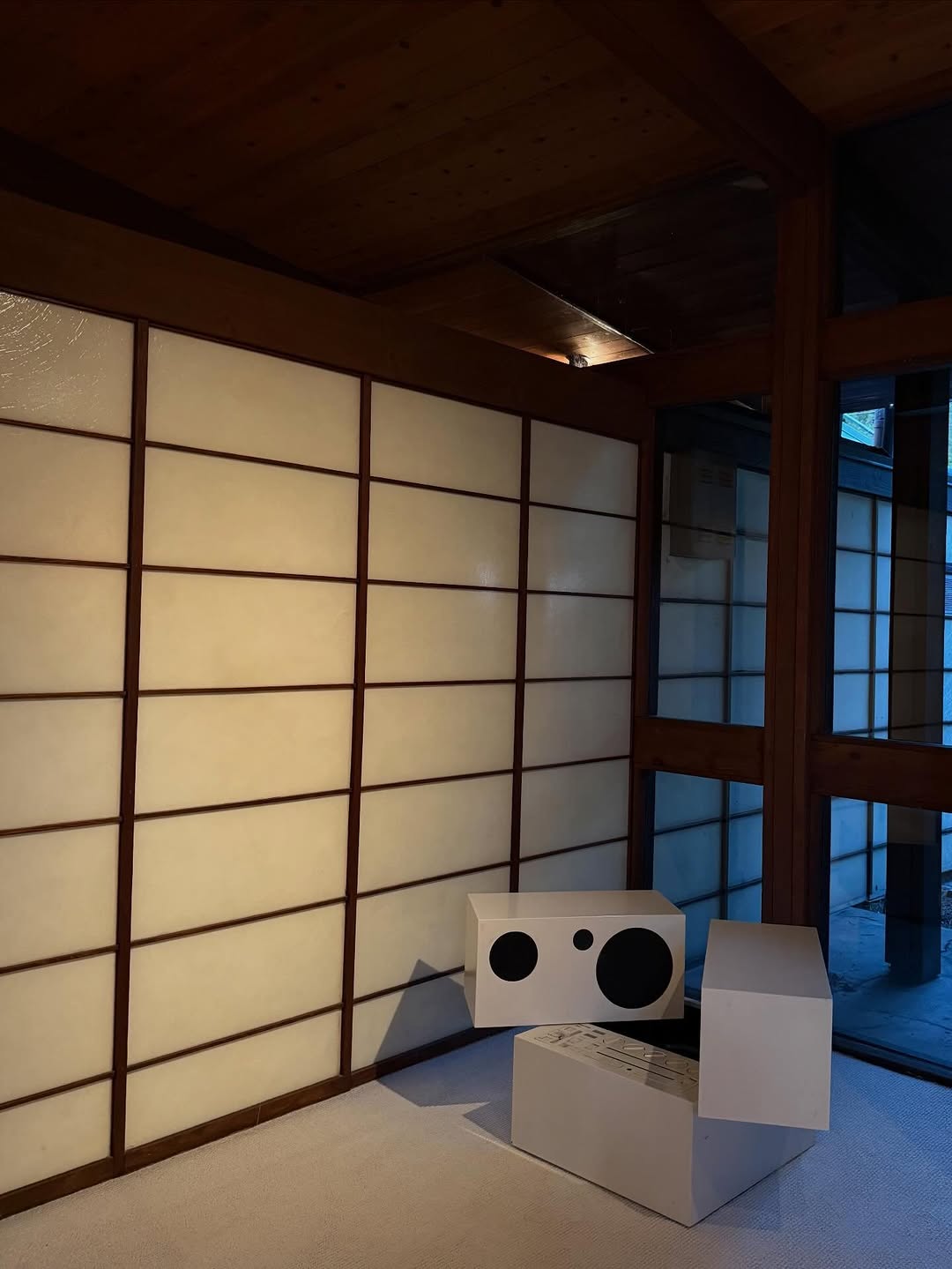
Shoji screens, if they appear. Tatami dimensions in the floor plan, if they govern the room proportions. Timber framing visible at the roof line or concealed. The 21 images document a house in use rather than a house as an architectural trophy, which is the more interesting document because it shows you how a building designed in 1951 holds contemporary occupants.
The 21-Image Document
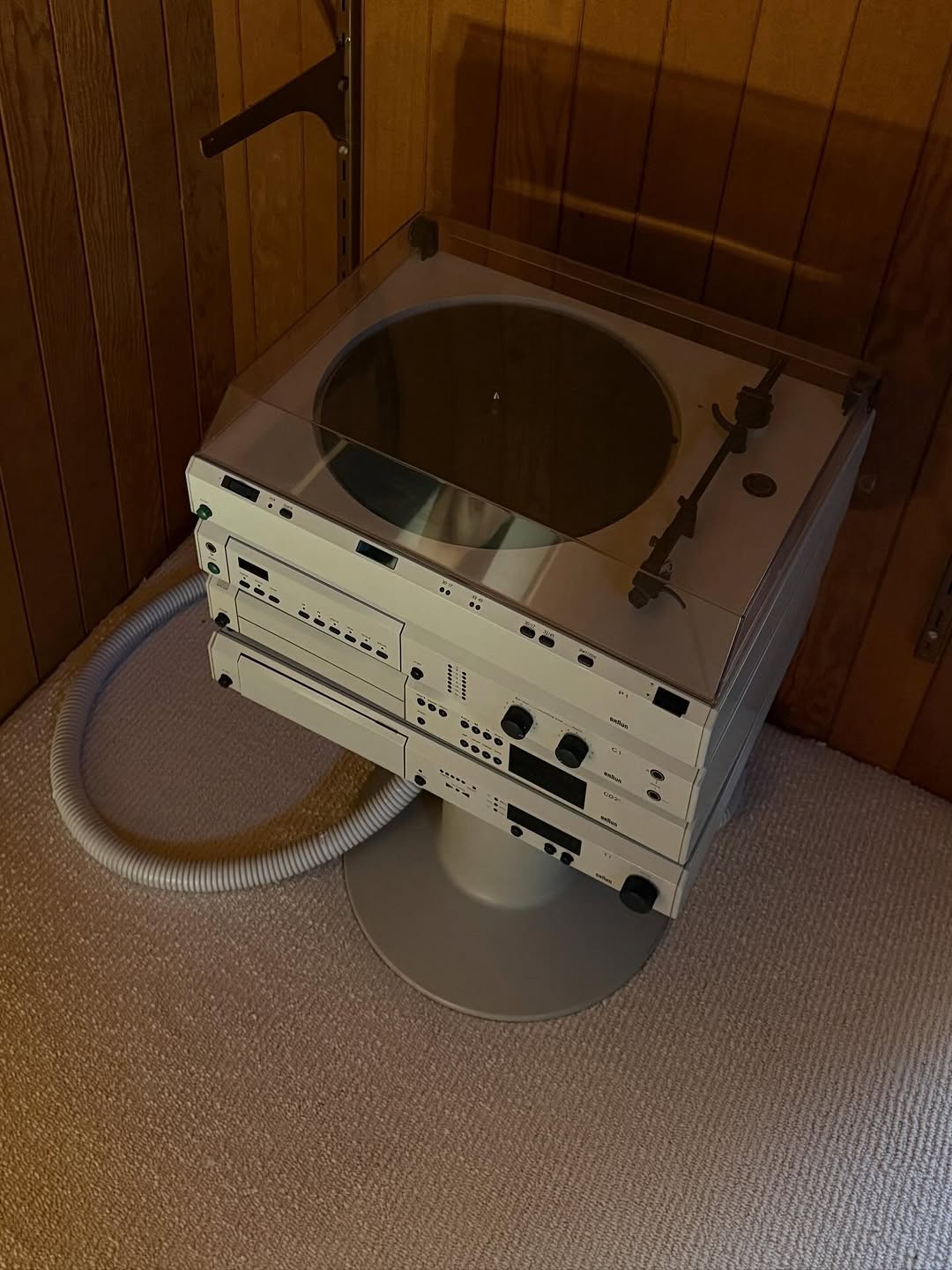
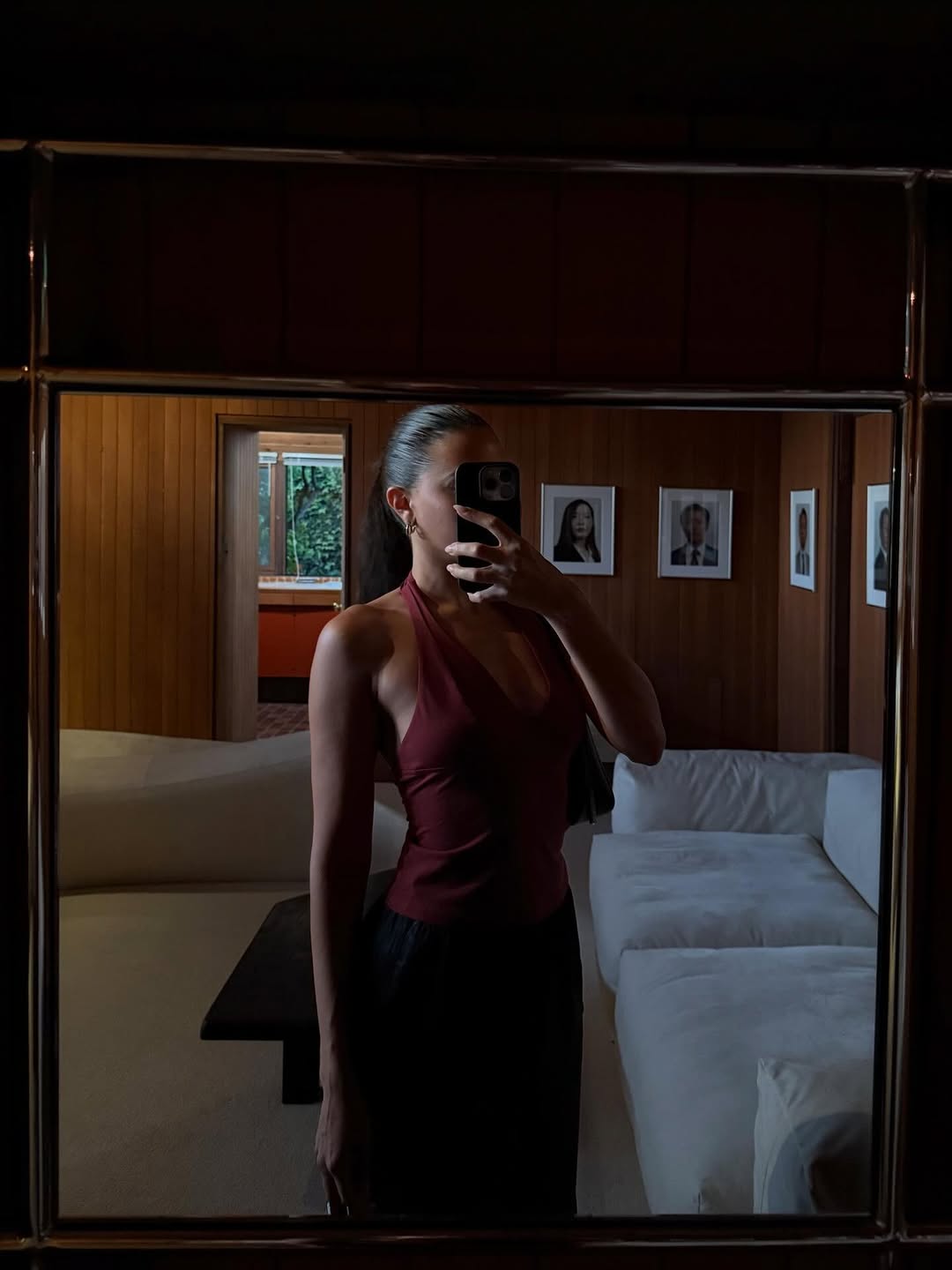
Habibi documented the evening across 21 images and one video. That scale of documentation, 21 frames from a single dinner, suggests a curatorial intention rather than casual capture. The images, stored across Supabase Storage for this article, show interiors, gathering, objects, and whatever food or drink the evening built around. The video carries the ambient sound of the space.
This kind of document exists in the register that becomes culturally significant when the participants involved in it later become more widely recognized. Every working creative community has evenings that precede the work it later becomes famous for. The 1951 Japanese house holds one of those evenings. Whether or not it is recognized as such depends entirely on what Same Old, Pragma Practice, and Giacobetti produce in the years following. The house will not change. The record of the evening already exists.
Related Reading
- ACTUAL SOURCE'S 'NO FINISH LINE' RETURNS FOR A 3RD EDITION
- Allen Iverson Spent the Fortune and Kept the Culture
- ALYSA LIU STUNS TEEN VOGUE AFTER TWO OLYMPIC GOLDS
Frequently Asked Questions
Who is Valentin B. Giacobetti?
Valentin B. Giacobetti is a Paris-based photographer whose editorial work has appeared in Acne Studios campaigns, Dries Van Noten editorial, and independent publication contexts.
What is Pragma Practice?
Pragma Practice is a multi-disciplinary design studio whose output spans furniture, publication design, and branding.
What makes 1951 Japanese residential architecture significant?
A 1951 Japanese house sits before the Metabolism movement crystallized, at a moment when post-war material scarcity and Western modernism were negotiating with traditional Japanese spatial logic, producing hybrid residential structures with significant architectural interest.
Topics: mid-century, acne-studios, culture, japanese-architecture, same-old, valentin-giacobetti, pragma-practice, sahar-habibi, acne studios, creative-culture