NIGEL SYLVESTER BUILT A BRICK WALL IN A GALLERY AND CALLED IT PROGRESS
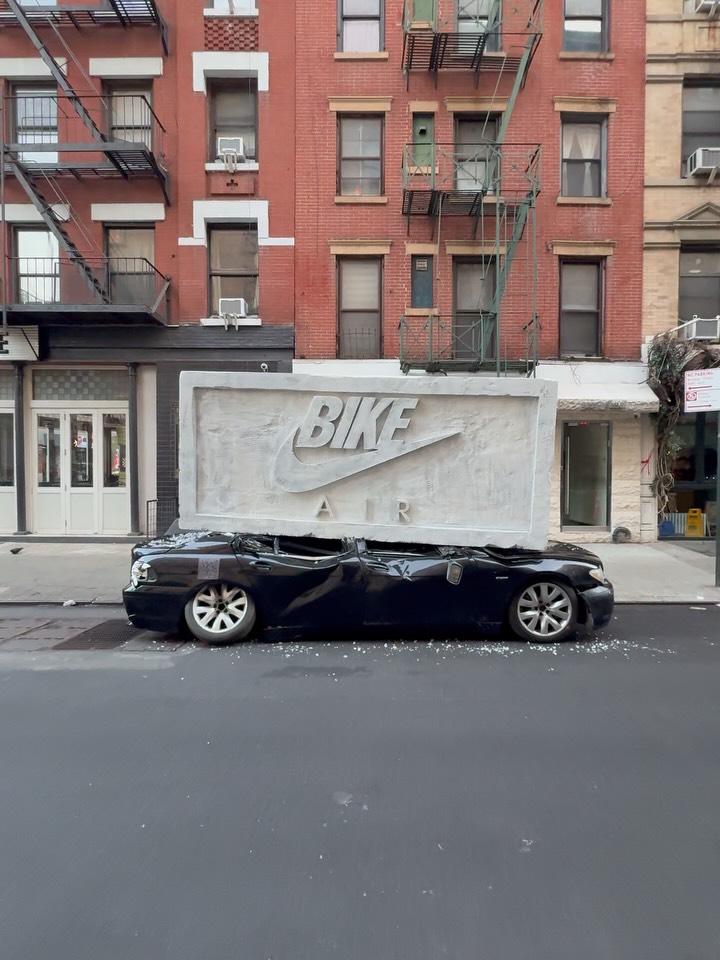
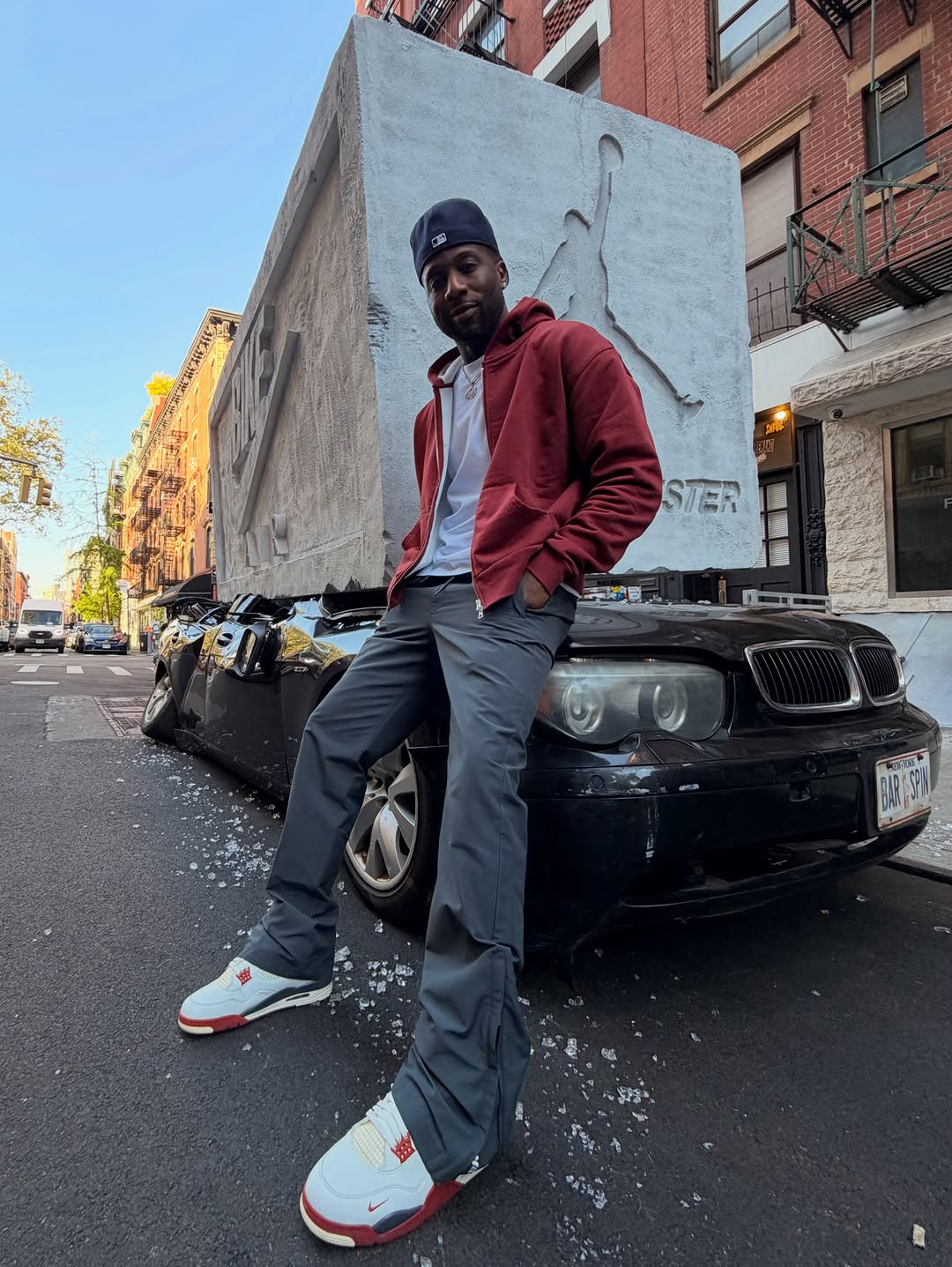
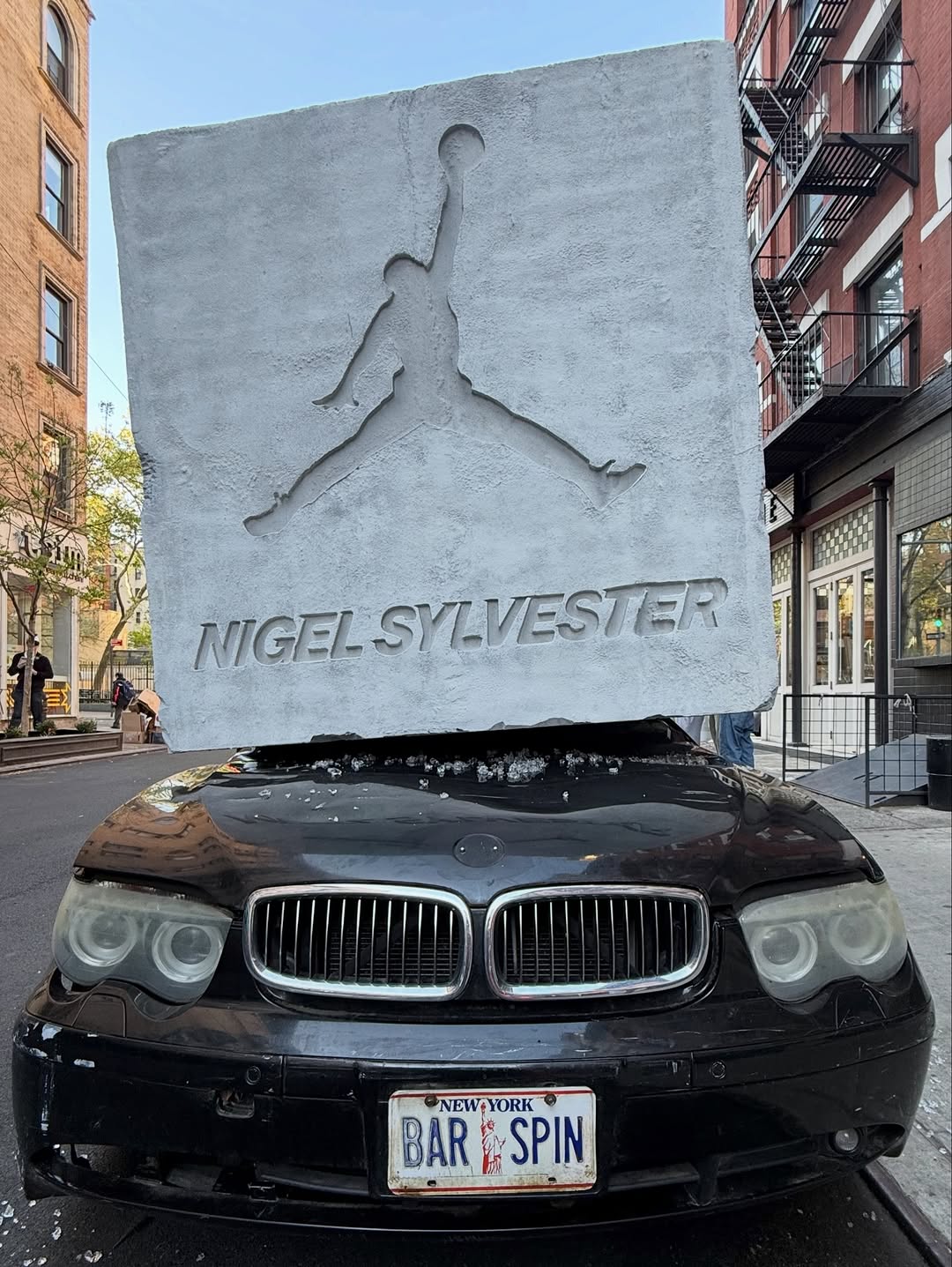
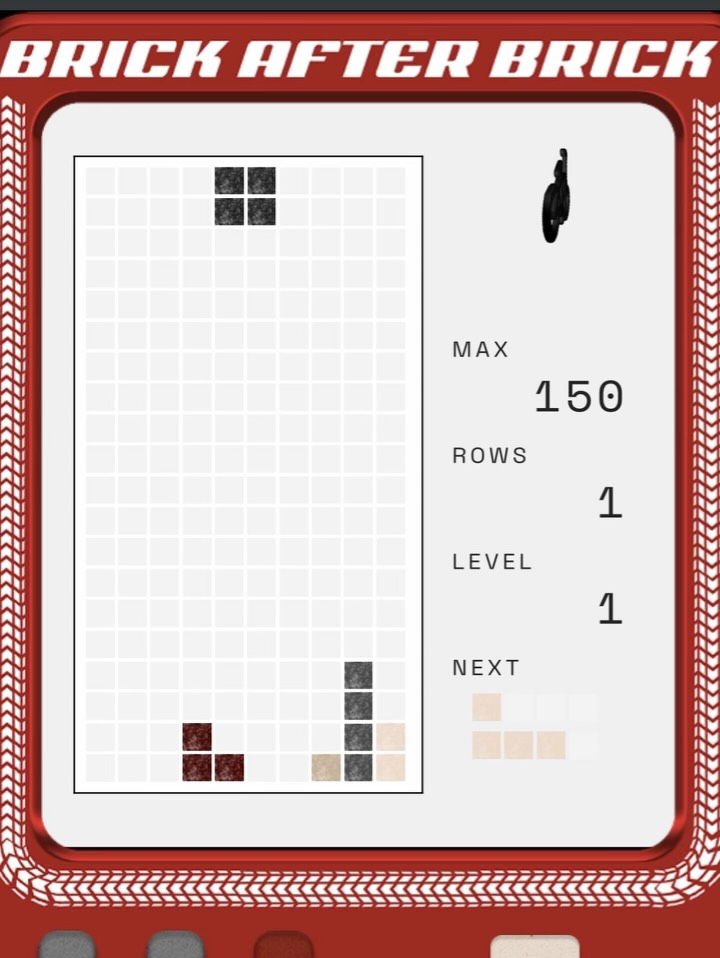
Nigel Sylvester debuts The Weight Of Progress, a BRICK AFTER BRICK art installation with What's In Your Fridge. The work uses physical bricks as metaphor for the obstacles and milestones in sustained achievement, marking the BMX rider's first gallery exhibition.


Key Points
- Nigel Sylvester collaborated with What's In Your Fridge on his first fine art installation
- The Weight Of Progress uses bricks as metaphor for wins and obstacles in sustained achievement
- Sylvester expands beyond BMX into the gallery space without abandoning his athletic identity
Nigel Sylvester has ridden through traffic in every borough, jumped gaps on rooftops in Tokyo, and built a media company from a GoPro and a bicycle. None of that prepared anyone for what he did last week: he stacked bricks in a gallery and made it mean something.
Eight Hundred Bricks, One Thesis
The Weight Of Progress is a collaboration with creative collective What's In Your Fridge, and it is Sylvester's first formal art installation. The concept is literal by design. Each brick represents a win, a setback, a negotiation, a flight, a hospital visit, a contract, an early morning. Stack them high enough and you get a wall. The question the piece asks is whether the wall is the achievement or the obstacle.
The BRICK AFTER BRICK subtitle is not accidental. Sylvester's career has operated on that frequency since 2014, when the first GO video turned a BMX commute through Bed-Stuy into a 12 million view short film. Every project since has been an addition to the structure: GO 2 in Tokyo, GO 3 in Mumbai, the Jordan Brand partnership in 2019, the Nigel Sylvester x Air Jordan 1 that resells for $3,200 as of this week.
The Athlete-to-Artist Pipeline Has Precedent. This Is Different.
Athletes making art is not new. LeBron James produced SpringHill. Kobe Bryant won an Oscar for Dear Basketball. Russell Westbrook launched Honor the Gift. But those are business extensions; branding exercises with creative directors attached. Sylvester did not license his name to someone else's concept. He built the installation with the collective, hands on the material.
What's In Your Fridge has a track record of sculptural work that blurs the line between street culture and fine art. Their past projects include immersive food installations and spatial design for brands like Nike and Complex. Pairing them with Sylvester makes structural sense: both operate at the intersection of physicality and concept.
$3,200 Resale, Zero Gallery Experience. Until Now.
The interesting tension is credibility. Sylvester's Jordan 1 aftermarket value proves he can move product. His YouTube channel (2.4 million subscribers) proves he can hold attention. But the gallery world does not care about either metric. It cares about intent, about whether the work earns its wall.
The Weight Of Progress earns it by refusing to be decorative. It is not a mural. It is not a print series. It is a pile of construction material reframed as autobiography. Every creative who has built anything from scratch recognizes the metaphor because they have lived it: the work does not look like progress while you are doing it. It looks like labor. The monument only becomes visible in retrospect.
No Pedals in the Gallery
Sylvester did not bring a bike into the room. That matters. The installation does not reference BMX directly. There are no handlebars mounted on the wall, no trick photography, no branded signage. The work exists on its own terms, and that restraint is the strongest move in the entire project. It signals that Sylvester is not borrowing credibility from his athletic career; he is building a parallel one.
The weight of progress, it turns out, is measured in what you choose not to include.
Related Reading
- Felicia the Goat's Converse Jogger Returns in Four New Colorways
- PAULIN PAULIN PAULIN BRINGS LIL BIEBER AND SKYLRK TO WE NEW YORK
- 9 KIDS FROM STATEN ISLAND BROKE EVERY RULE AND BUILT WU-TANG
Frequently Asked Questions
What is Nigel Sylvester's art installation?
The Weight Of Progress is a BRICK AFTER BRICK installation created with What's In Your Fridge, using physical bricks to symbolize the challenges and victories in sustained achievement.
Where is Nigel Sylvester's art exhibition?
The installation was debuted in collaboration with the creative collective What's In Your Fridge, marking Sylvester's first move into fine art exhibition.
Does Nigel Sylvester still ride BMX?
Yes. Sylvester continues his professional BMX career while expanding into art and lifestyle projects, including his ongoing GO series and brand partnerships.
Topics: new-york, youtube, bmx, sports-culture, art-installation, jordan brand, whats-in-your-fridge, lebron james, complex, nigel-sylvester, athlete-art, converse, jordan-brand, brick-after-brick, lebron-james, gopro, nike