Spencer's Spa in Kinfolk Argues Wellness Spaces Should Feel Like Home
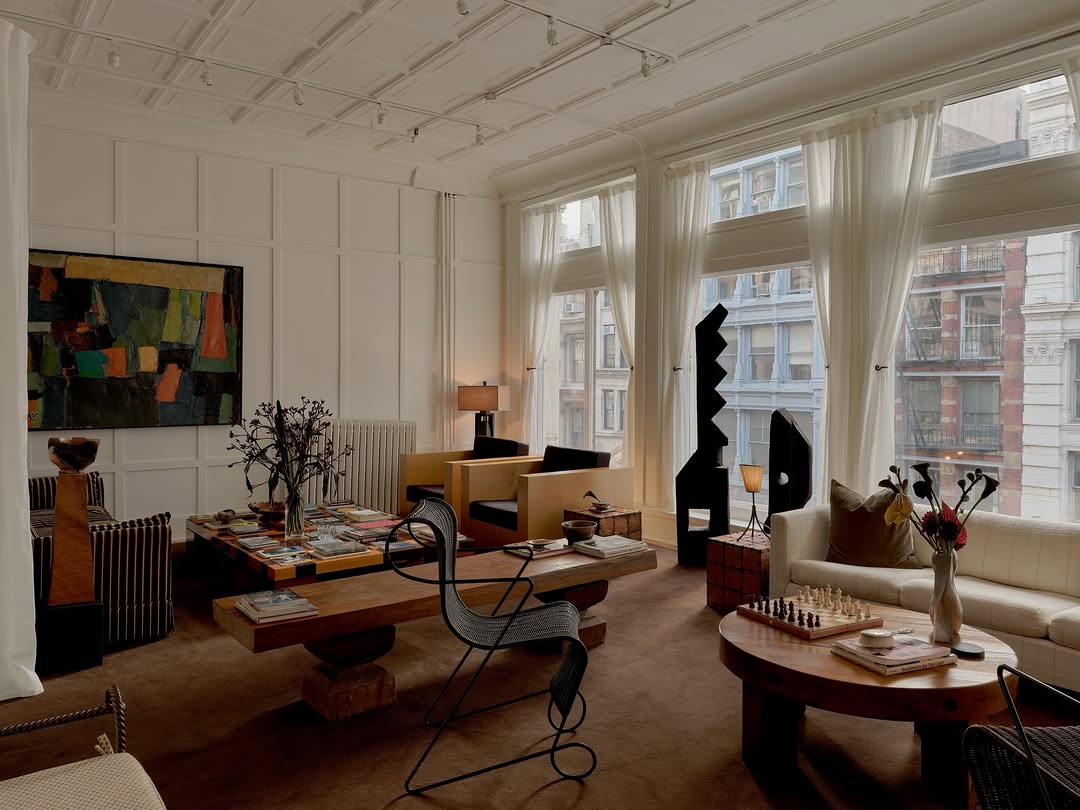
Spencer's Spa, designed by Ryan McCarthy and featured in Kinfolk, is a private residential wellness space that uses dark wood paneling, stone surfaces, and residential textiles to reject the clinical white marble and chrome standard of most spa design. The project supports Kinfolk's editorial position on natural materials and domestic warmth, consistent with a broader shift toward warmer wellness interiors in luxury hospitality.
Key Points
- Spencer's Spa, designed by Ryan McCarthy, rejects clinical white marble and chrome in favor of dark wood panels, stone, and residential textiles.
- Kinfolk has made the case for natural materials and domestic warmth in interiors since its founding in Portland in 2011.
- High-end wellness brands including Aman Resorts have shifted toward warmer palette spa interiors since the original Amanpuri in Phuket (1988).
A spa that feels like someone's house is either a design failure or the most sophisticated thing a wellness designer can pull off. Spencer's Spa, featured in Kinfolk, is the second thing.
The project, designed by Ryan McCarthy, was built for a private residential client and documented by Kinfolk in their ongoing series on spaces that argue for a different relationship between wellness architecture and domestic life. The images show dark wood paneling, stone surfaces, soft textile zones, and low artificial lighting that references fire more than fluorescence. It looks like the nicest room in someone's home. The argument is that this is exactly what a spa should look like.
The Clinical Standard and Why It Became Default
Most spas built in the last 30 years use white marble, chrome fixtures, and strong overhead lighting. The visual language signals cleanliness, hygiene, and professional certification. It is the same logic that made hospital interiors look like hospitals: the materials communicate their own maintenance protocols.
The problem is that this aesthetic is antithetical to relaxation. White surfaces require visible attention. Bright overhead lighting flattens texture and reveals imperfection. Chrome hardware communicates precision rather than warmth. The clinical spa tells you, at the material level, that you are in a managed environment rather than a comfortable one.
Spencer's Spa rejects all of that. The dark wood panels absorb light rather than reflect it. The stone surfaces have enough variation to read as geological rather than manufactured. The textile zones use fabric weights and textures that belong to residential rather than commercial contexts. The result is a space that is obviously a spa but does not perform the aesthetic of spa-ness.
Kinfolk's Editorial Position on Domestic Aesthetics
Kinfolk has been making this argument since 2011. The publication, founded in Portland and now based in Copenhagen, built its visual identity around interiors that prioritize natural materials, restraint, and the feeling of habitation over the performance of design. The Spencer's Spa feature is consistent with that editorial position: it is documentation of a space that chose a difficult path and executed it well.
The wellness design market has been moving toward the Spencer's Spa direction for the past three years. Aman Resorts, the reference point for luxury wellness architecture, have been using dark wood, stone, and fire for their spa programs since the original Amanpuri in Phuket (1988). Minor Hotel Group and Four Seasons have both shifted toward warmer palette wellness interiors in new properties. The clinical standard is losing credibility at the high end.
Spencer's Spa is a private commission, which means it will not appear on a hotel booking platform. It is accessible only through this documentation. That inaccessibility is part of the point: the most thoughtful wellness design is happening for individual clients who can specify every material and reject every standard fixture that does not serve the space.
Material Honesty in a Room Designed for Vulnerability
Wellness spaces require a specific kind of material honesty because they are rooms where people take their clothes off. The materials have to work at close proximity, in low light, with a person who is in a state of reduced social armor. White marble in those conditions reads as cold and exposed. Dark wood reads as contained and private.
Ryan McCarthy's Spencer's Spa understood that. The materials are not expensive because they look impressive; they are expensive because they work harder in the dark.
Related: NIKE TRAINING FEATURES IRIS LAW IN 257 MILLION ENGAGEMENT PUSH.
Frequently Asked Questions
What is Spencer's Spa?
A private residential spa designed by Ryan McCarthy and featured in Kinfolk, using dark wood, stone, and residential textiles to reject clinical spa aesthetics.
Who is Kinfolk?
A design publication founded in Portland in 2011, now based in Copenhagen, known for documenting interiors that prioritize natural materials and domestic warmth.
Why do spas usually look clinical?
White marble, chrome, and overhead lighting communicate hygiene and professional management, but this aesthetic works against relaxation by signaling a managed environment rather than a comfortable one.
Topics: spencers-spa, ryan-mccarthy, domestic-aesthetics, kinfolk, interior-design, spa-design, design, wellness