Daniel Arsham Built Furniture From Dominican Stone. Four Words Explained It.
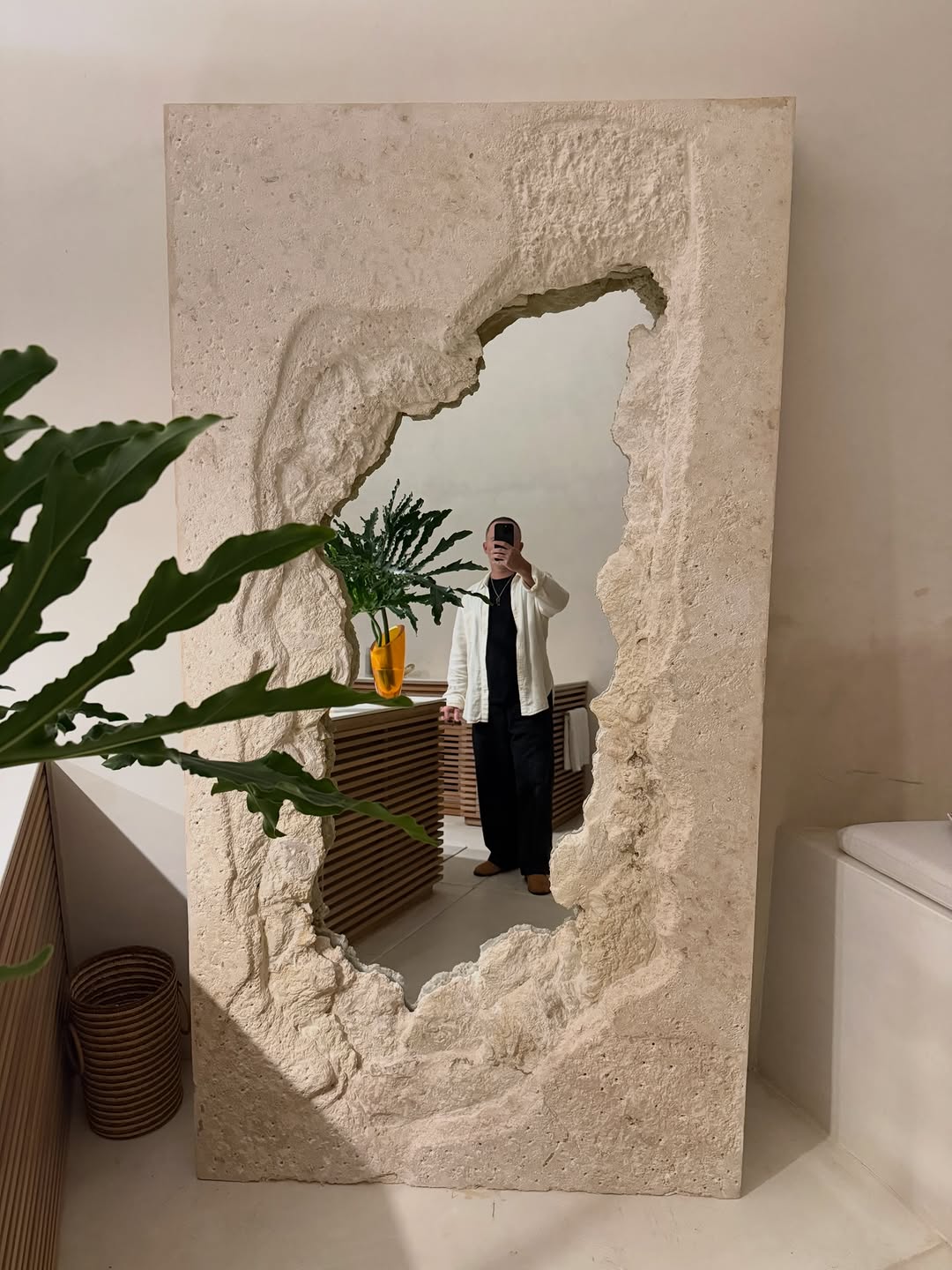
Daniel Arsham shared a new furniture series built from coralina, a sedimentary limestone quarried in the Dominican Republic, captioned simply 'Soy Dominicano.' Seven pieces with no edition details introduce a geographically specific material identity not previously central to his practice.
Key Points
- Coralina is a sedimentary limestone formed from compressed coral, quarried specifically in the Dominican Republic.
- Arsham's caption 'Soy Dominicano' is both title and material justification for the geographically specific stone.
- Previous Arsham material vocabulary focused on American pop culture nostalgia; coralina marks a new identity argument.
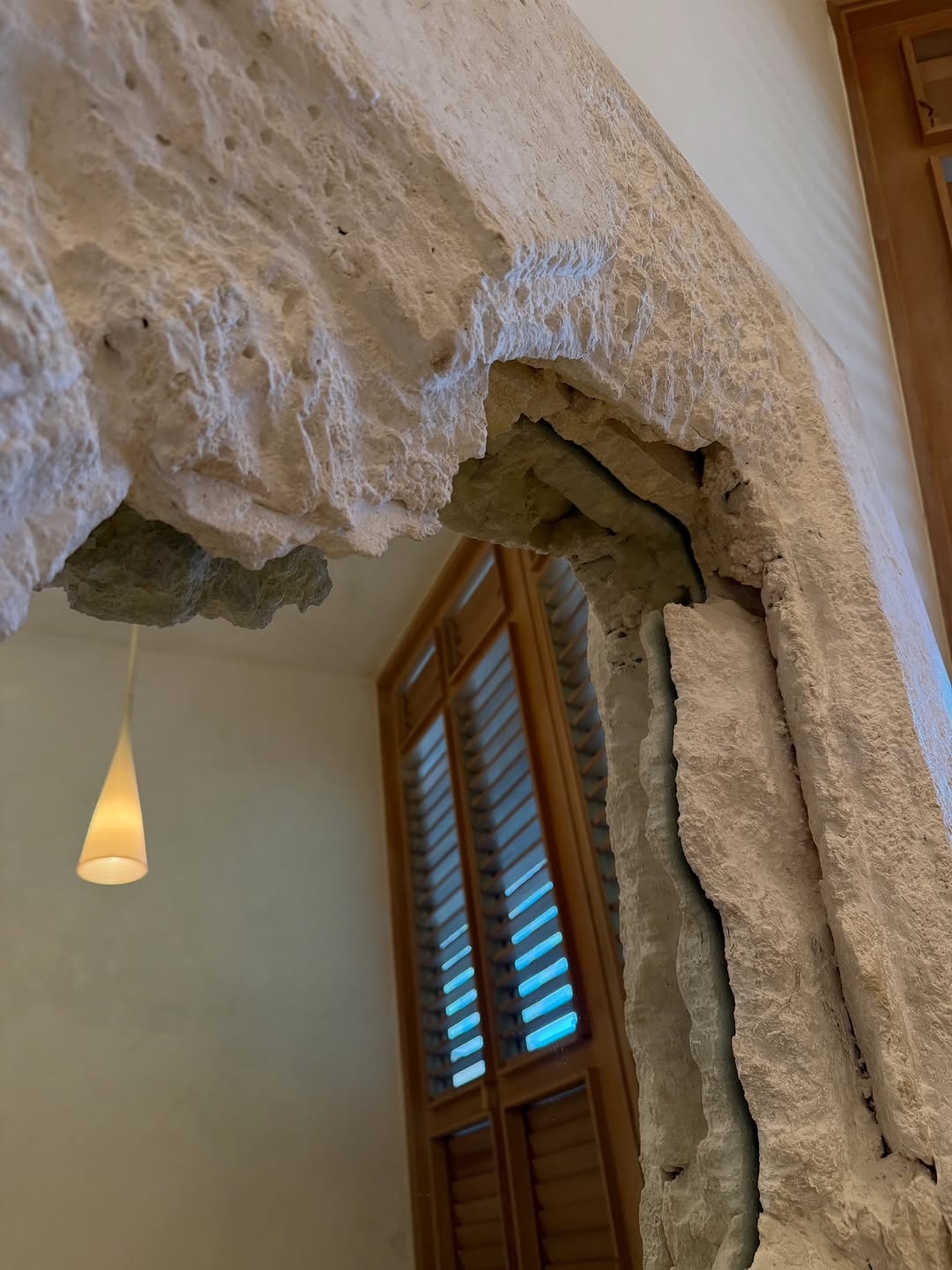
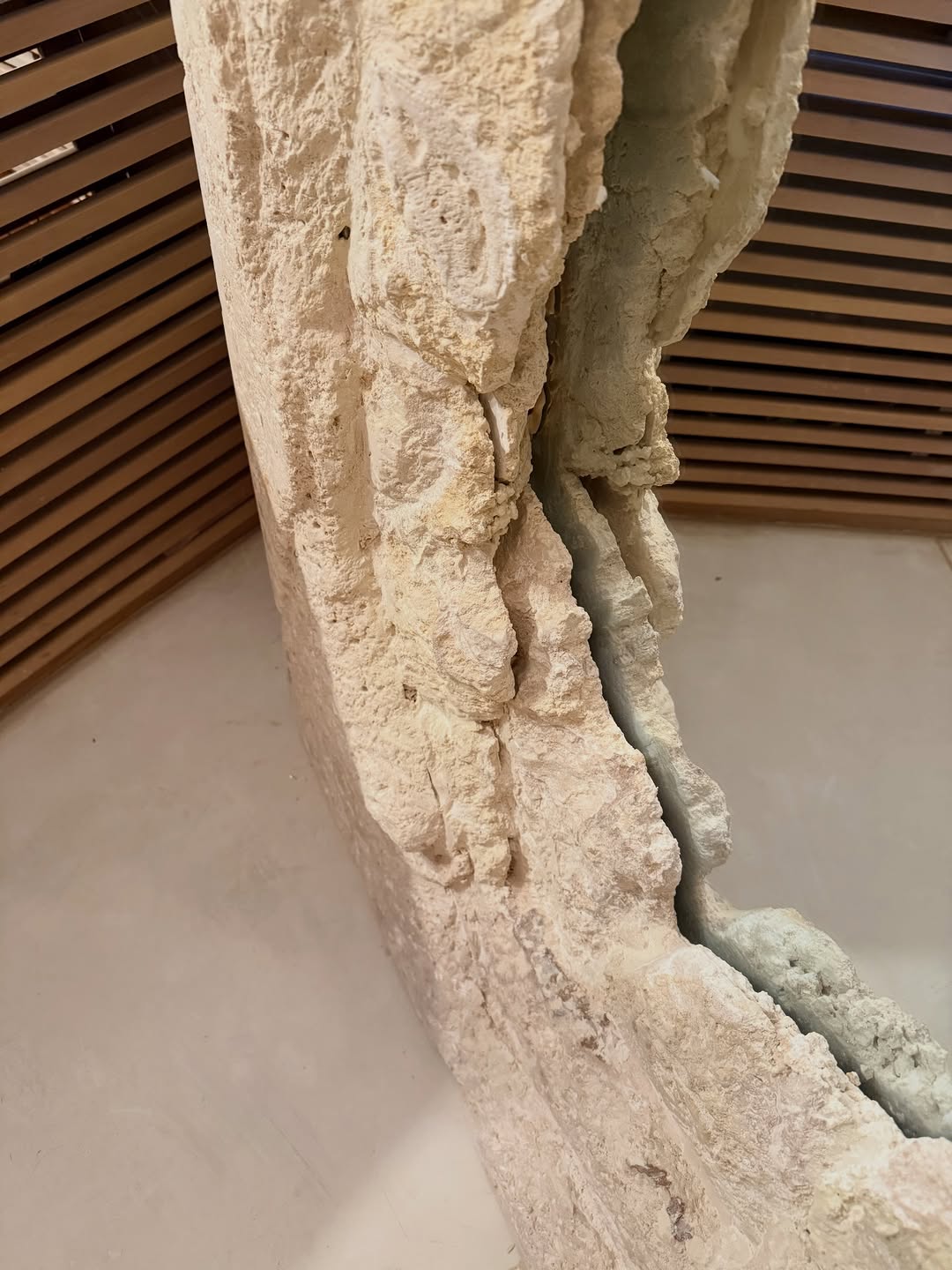
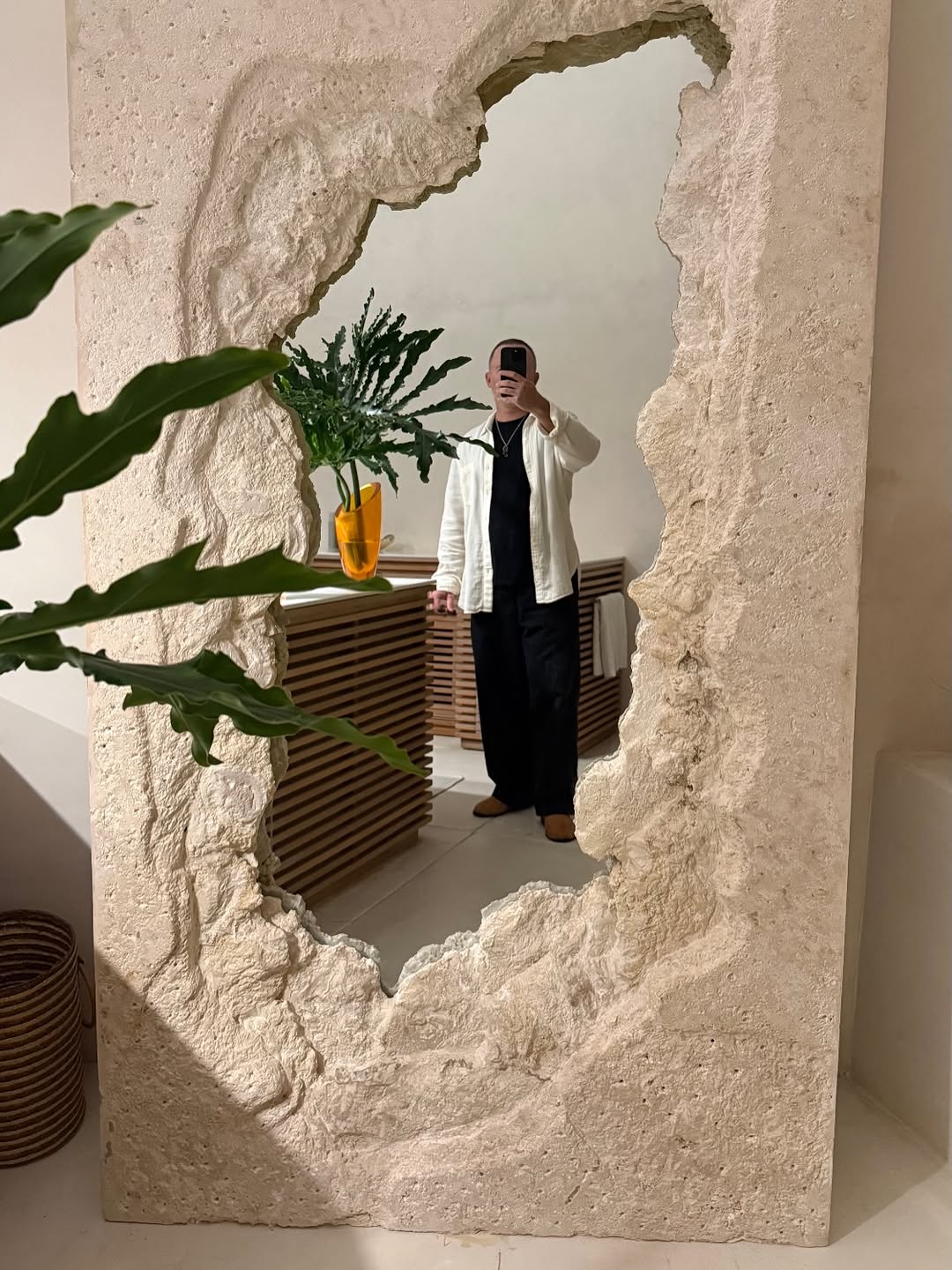
Coralina is a sedimentary limestone quarried in the Dominican Republic. It is soft, pale, and porous, formed largely from compressed coral fragments over geological time. It is not a premium stone by conventional furniture market standards. It is not Italian travertine. It does not have the density of Belgian blue limestone or the prestige associations of Calacatta marble. It is a material specific to a geography, and Daniel Arsham just built furniture out of it.
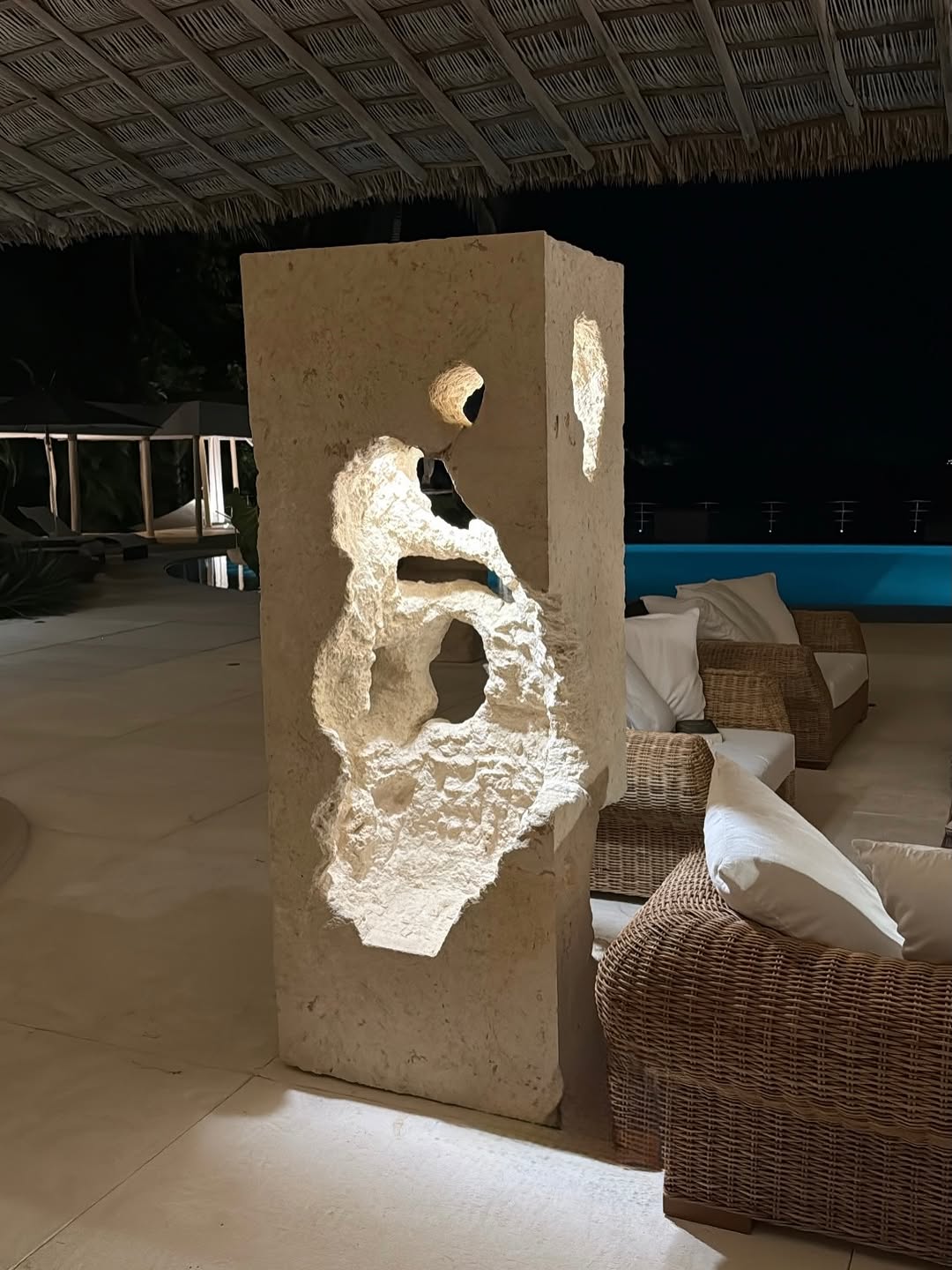
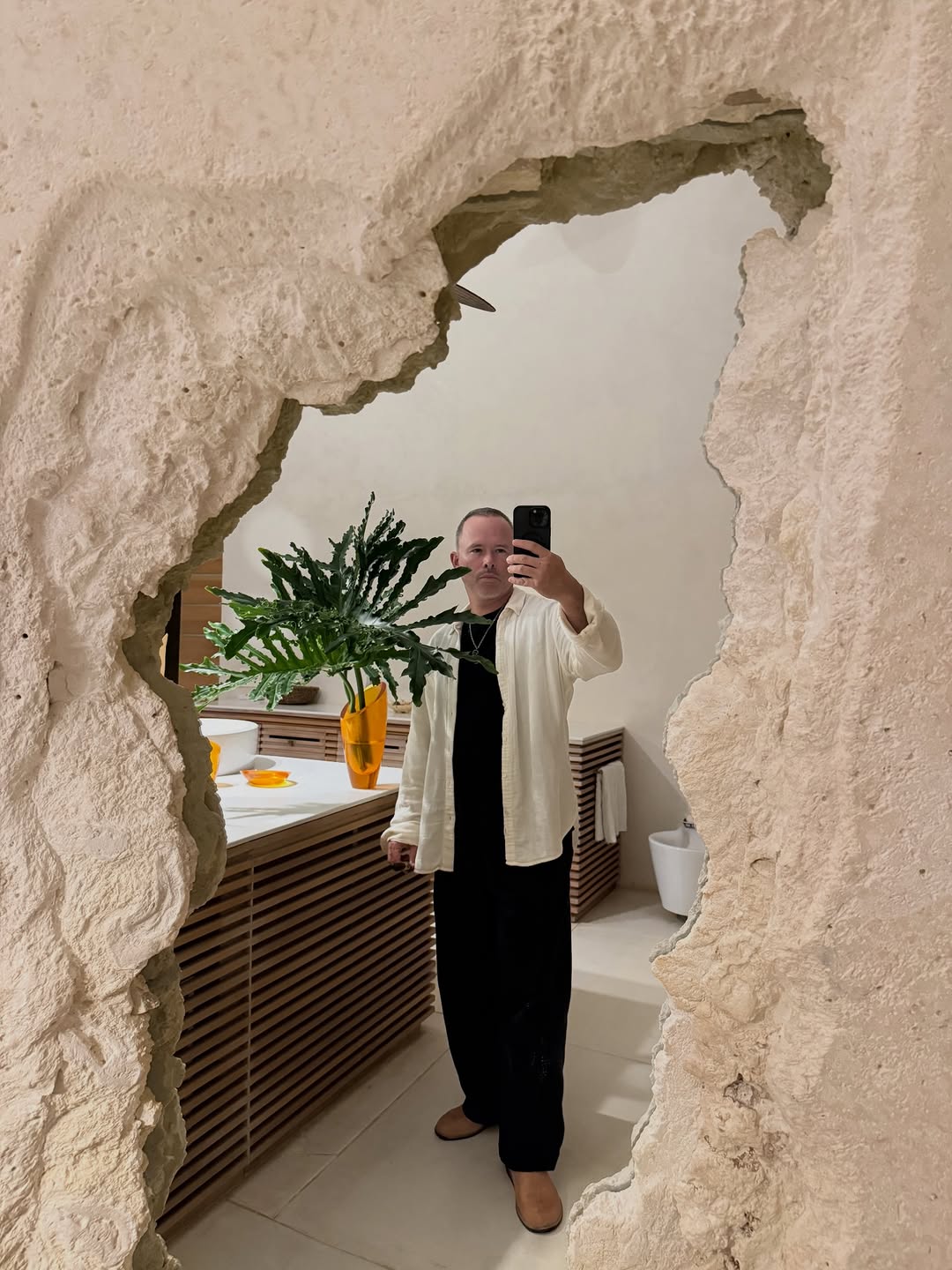
The caption was four words and a flag: "Soy Dominicano." That is the entire press release. Seven images in the carousel showing side tables, benches, and sculptural objects in a pale, slightly granular stone with the natural color variation coralina produces. No prices. No gallery announcement. No edition size. Just the work.
Arsham Has Not Done This Before
We have covered Daniel Arsham at length here, including the Various Thoughts show at Perrotin in March, the Porsche 993A collaboration in vanilla yellow, and the Daniel's Room restaurant he opened in Dubai earlier this year. The recurring material vocabulary has been cast resin, hydrocal plaster, selenite, aluminum, crystal. The nostalgia-driven objects; the eroded artifacts; the archaeological fiction that is his primary market offering. Coralina is something different.
This is not reclaimed nostalgia. This is new furniture built from a stone he found in the country he is from. The "Soy Dominicano" caption functions as both title and material justification. If you know where coralina comes from, the choice reads as an identity argument.
The Dominican Republic Has Not Been Central to His Public Practice
Arsham was born in Cleveland, has been based in New York, and has built a career largely legible through the lens of American pop culture archaeology. Pokemon. Porsche. Futura. The references are American. The market is primarily North American, European, and Asian collectors, with significant secondary market activity.
The Dominican Republic has appeared in his biography but not prominently in his output. This furniture series changes that. The specific geography of the material, a stone you can only get from that island, makes an argument that his previous work has not made: that the country itself is a material resource, not just a biographical footnote.
Seven Pieces, No Edition Information
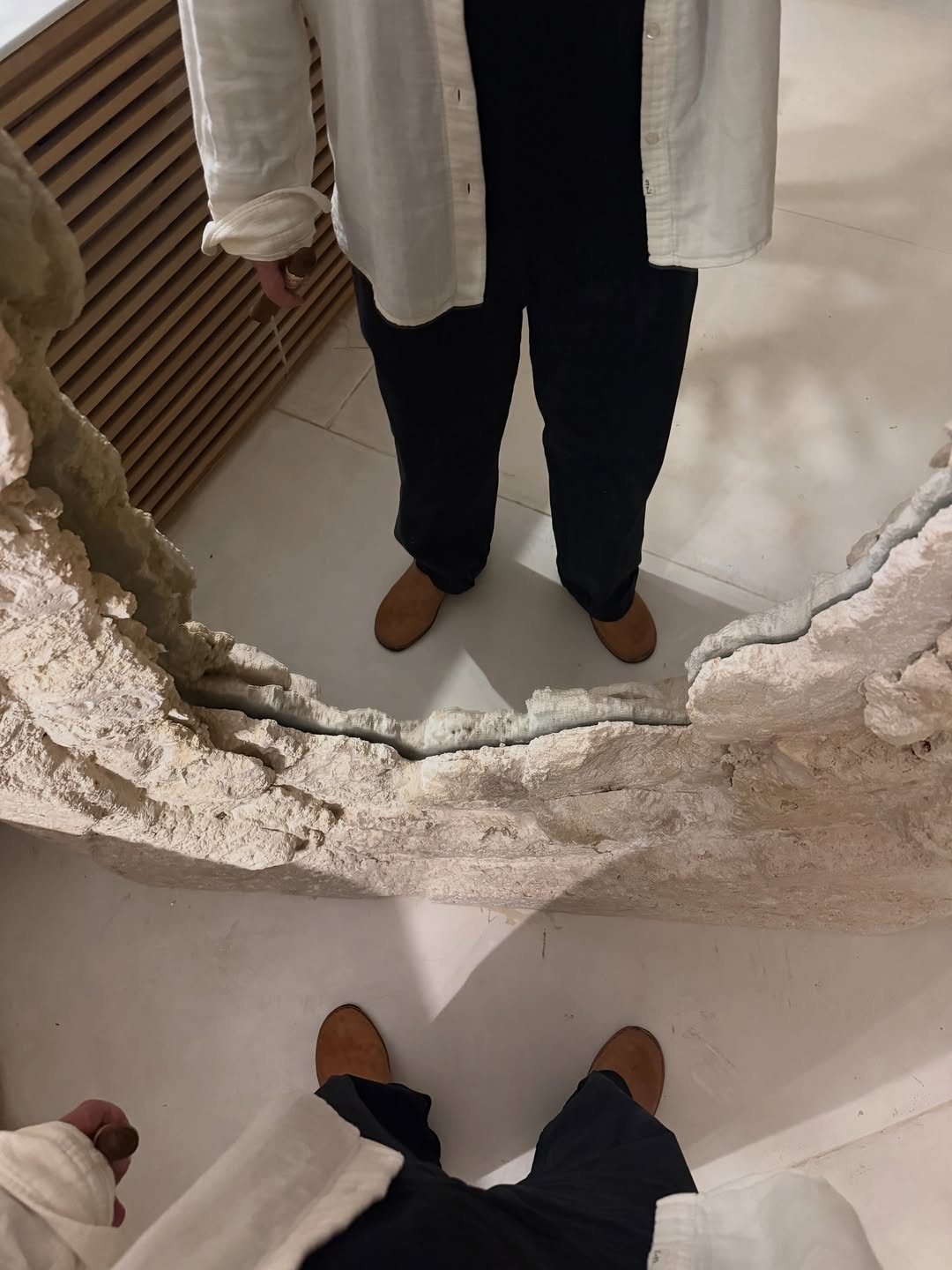
The seven carousel images show distinct objects with coralina's characteristic warm pale tone and the subtle texture variation that comes from working a naturally occurring sedimentary material. The forms appear to reference furniture archetypes: tabletop heights, bench proportions. The informal caption suggests these may be studio pieces rather than gallery-edition objects.
Arsham's established market infrastructure is strong enough that "a few new furniture pieces" from his studio generates significant commercial interest regardless of edition framing. The question is whether he develops this into a formal body of work or treats it as a materials exploration.
Coralina Ages In
Coralina works with hand tools. It does not require the industrial machinery harder stones demand. Its porousness means surfaces age in ways that align with Arsham's longstanding interest in the appearance of time on objects. Erosion is already built into the material's character.
For a sculptor whose primary market argument is about objects that appear to have survived their context, working in a stone that already shows its geological age is not a departure. It is a material that meets his practice where it lives. The spec sheet argument for coralina: porous, soft enough for hand tools, pale enough to show surface variation, and specific enough to one island to carry an identity argument on its own.
Related Reading
- CALIPER BUILDS CUSTOM DRAFTING TABLE FOR DANIEL ARSHAM
- DANIEL ARSHAM VANILLA YELLOW PORSCHE 993A
- ARSHAM'S ORGANIC WAVES RESHAPE Equinox HOLLYWOOD
Frequently Asked Questions
What is coralina stone?
Coralina is a sedimentary limestone formed from compressed coral fragments, quarried specifically in the Dominican Republic. It is pale, porous, and develops natural patina over time.
Is this a gallery release?
Arsham gave no edition size or pricing, suggesting studio exploration rather than a formal gallery edition, though his market infrastructure generates interest regardless.
How does this fit Arsham's existing practice?
It differs from his signature cast resin and plaster work but aligns with his interest in materials that show the passage of time. Coralina's natural porous aging matches his practice's core concerns.
Topics: furniture, dominican-republic, coralina, studio-work, sculpture, design, daniel arsham, porsche, futura, perrotin, daniel-arsham