How Claude AI Actually Drove NASA's Mars Rover
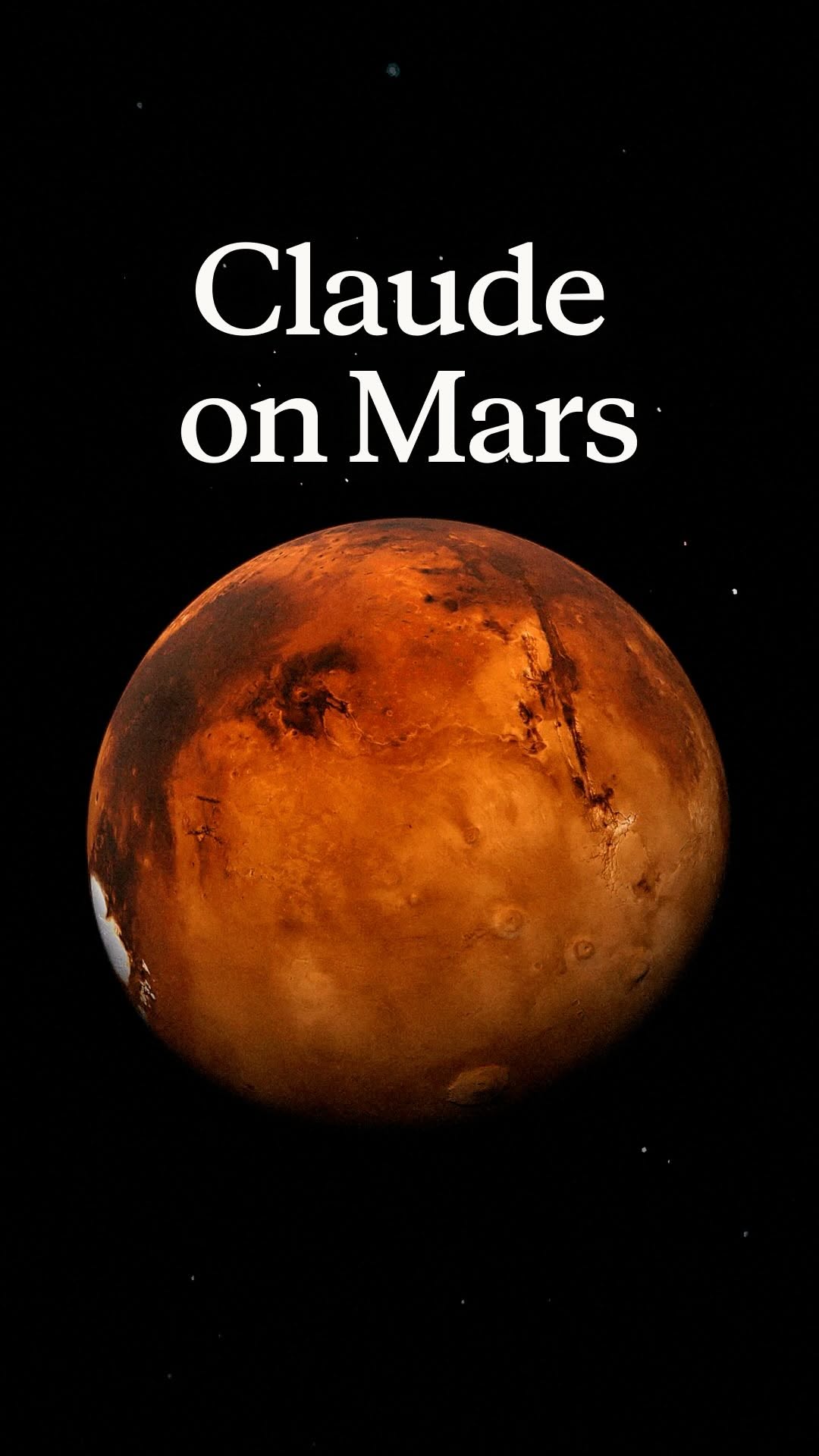
NASA's Perseverance rover completed the first AI-planned drive on Mars using Anthropic's Claude, marking a historic milestone in autonomous space exploration.
Key Points
- First time AI has independently planned a driving route on another planet
- Claude analyzed terrain data and plotted waypoints for a 400-meter journey
- NASA engineers estimate AI planning will cut route-planning time in half
The Machine That Drove to Mars
NASA's Perseverance rover just completed the first AI-planned drive on another planet. No human mapped this route. Claude, Anthropic's chatbot, plotted the waypoints for Perseverance's December 8 journey across 400 meters of Martian rock.
This isn't some tech demo publicity stunt. NASA engineers estimate Claude will cut route-planning time in half. For context, rover routes have been planned and executed by human "drivers" for the past 28 years. Every single movement carefully analyzed, waypoints spaced no more than 330 feet apart to avoid hazards.
"Every rover drive needs to be carefully planned, lest the machine slide, tip, spin its wheels, or get beached," NASA explained. One wrong move on Mars means mission over. No roadside assistance 140 million miles from Earth.
From Pokemon to Planets
Last spring Claude couldn't even beat Pokémon Red. In less than a year, it went from struggling with an 8-bit Game Boy game to plotting courses for rovers on distant planets. The technical leap is staggering.
Claude analyzed existing JPL surface mission data, using the same imagery human planners rely on to generate waypoints for safe navigation. The AI worked step by step: forming checkpoints every 10 meters, then analyzing and refining them.
NASA didn't just trust the machine. JPL engineers ran Claude's waypoints through their daily simulation system to verify accuracy before sending commands to Mars. They only needed "minor changes" to Claude's route.
The Efficiency Revolution
Less time on tedious manual planning means more drives, more scientific data, more analysis. "We'll learn much more about Mars," NASA said.
Perseverance drove 689 feet on December 8, then 807 feet two days later. Both routes planned by Claude, executed flawlessly. For context, Perseverance typically travels 100 to 300 meters per sol when actively driving. The ability to autonomously plan longer routes could dramatically increase range and scientific productivity.
NASA is excited about future collaborations, saying "autonomous AI systems could help probes explore ever more distant parts of the solar system." Mars was just the beginning. Jupiter's moons, Saturn's rings, the outer planets where communication delays stretch to hours, not minutes.
The age of AI exploration just began with a 400-meter drive across red dirt. Next stop: everywhere else.
Related Reading
- ANTHROPIC MYTHOS HAD UNAUTHORIZED ACCESS THROUGH A VENDOR BREACH
- Anthropic Prepares Claude Opus 4.7 and a Design Tool That Spooked Adobe
- CLAUDE MYTHOS PREVIEW FOUND THOUSANDS OF ZERO DAYS
Frequently Asked Questions
Did Claude AI plan a Mars rover route?
Yes, Claude, Anthropic's chatbot, planned the waypoints for NASA's Perseverance rover's December 8 journey across 400 meters of Martian terrain, marking the first time AI has independently planned a driving route on another planet.
How much time will Claude AI save NASA on route planning?
NASA engineers estimate that Claude's AI-planned routes will cut route-planning time in half compared to the traditional human-driven planning process used for the past 28 years.
How did Claude analyze the Mars rover route?
Claude analyzed existing JPL surface mission data and imagery used by human planners, forming checkpoints every 10 meters and then analyzing and refining them to generate safe waypoints for navigation.
Did NASA verify Claude's Mars rover route before sending it?
Yes, JPL engineers ran Claude's waypoints through their daily simulation system to verify accuracy before sending the commands to Mars, requiring only minor changes to the AI's proposed route.
What was Claude AI's performance before planning the Mars rover route?
Last spring, Claude couldn't even beat Pokémon Red, but in less than a year it progressed to successfully plotting courses for rovers on distant planets, representing a major technical leap.
Topics: space exploration, Perseverance, Claude AI, Mars, anthropic, Anthropic, adobe, artificial intelligence, NASA, JPL, focus-45-22