Broken Planet Ran an AI Model Campaign and Disclosed It Immediately
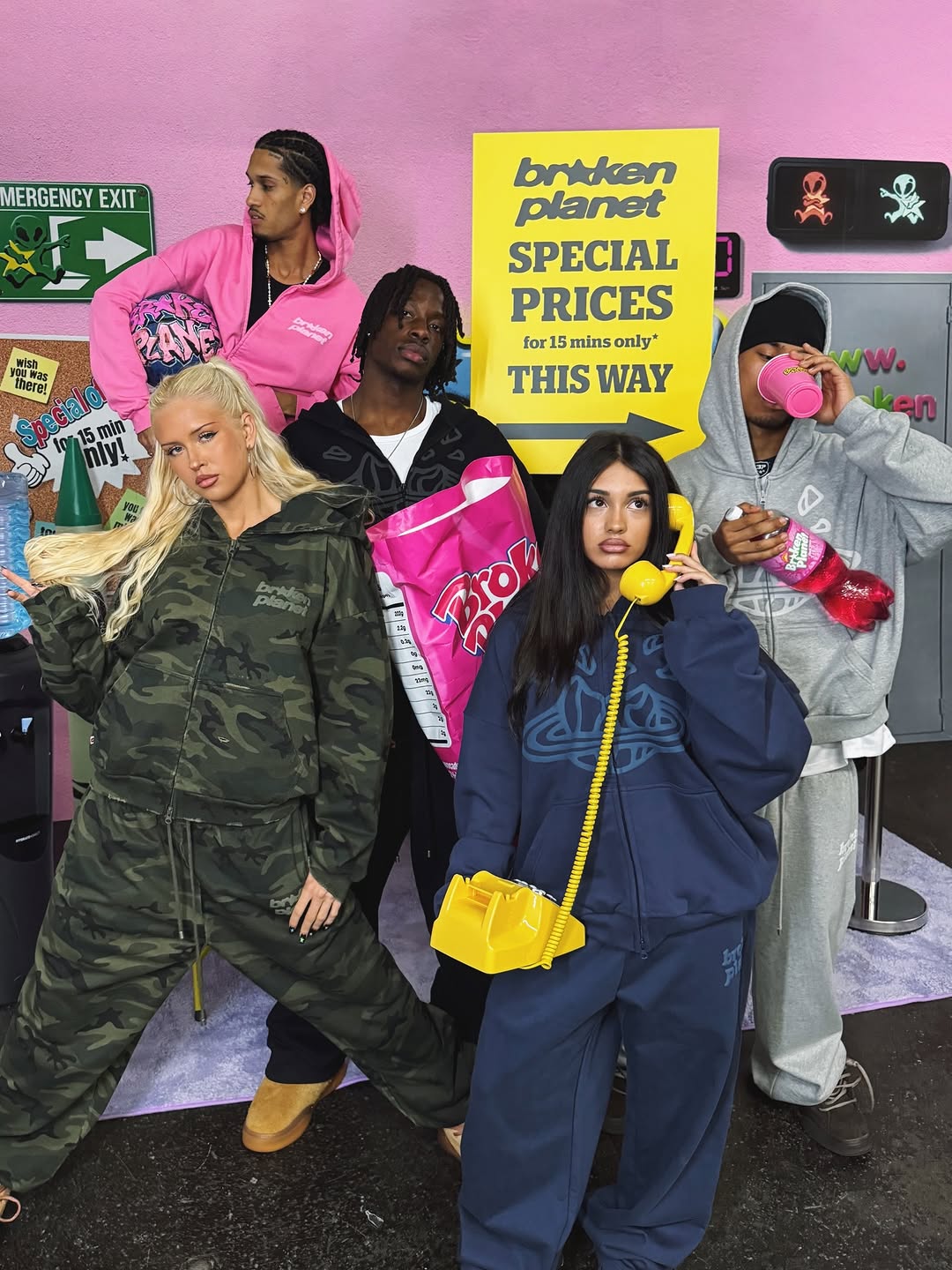
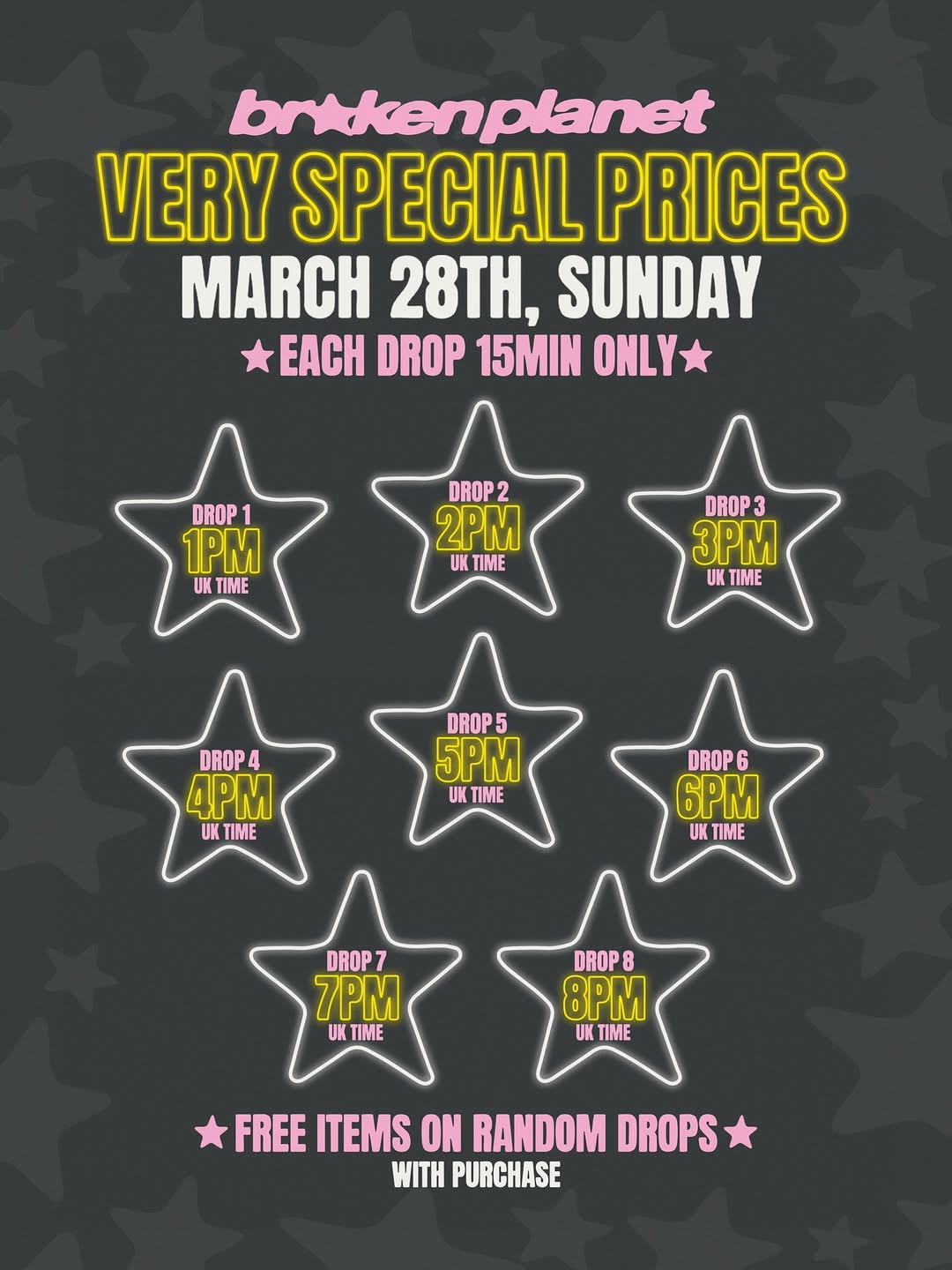
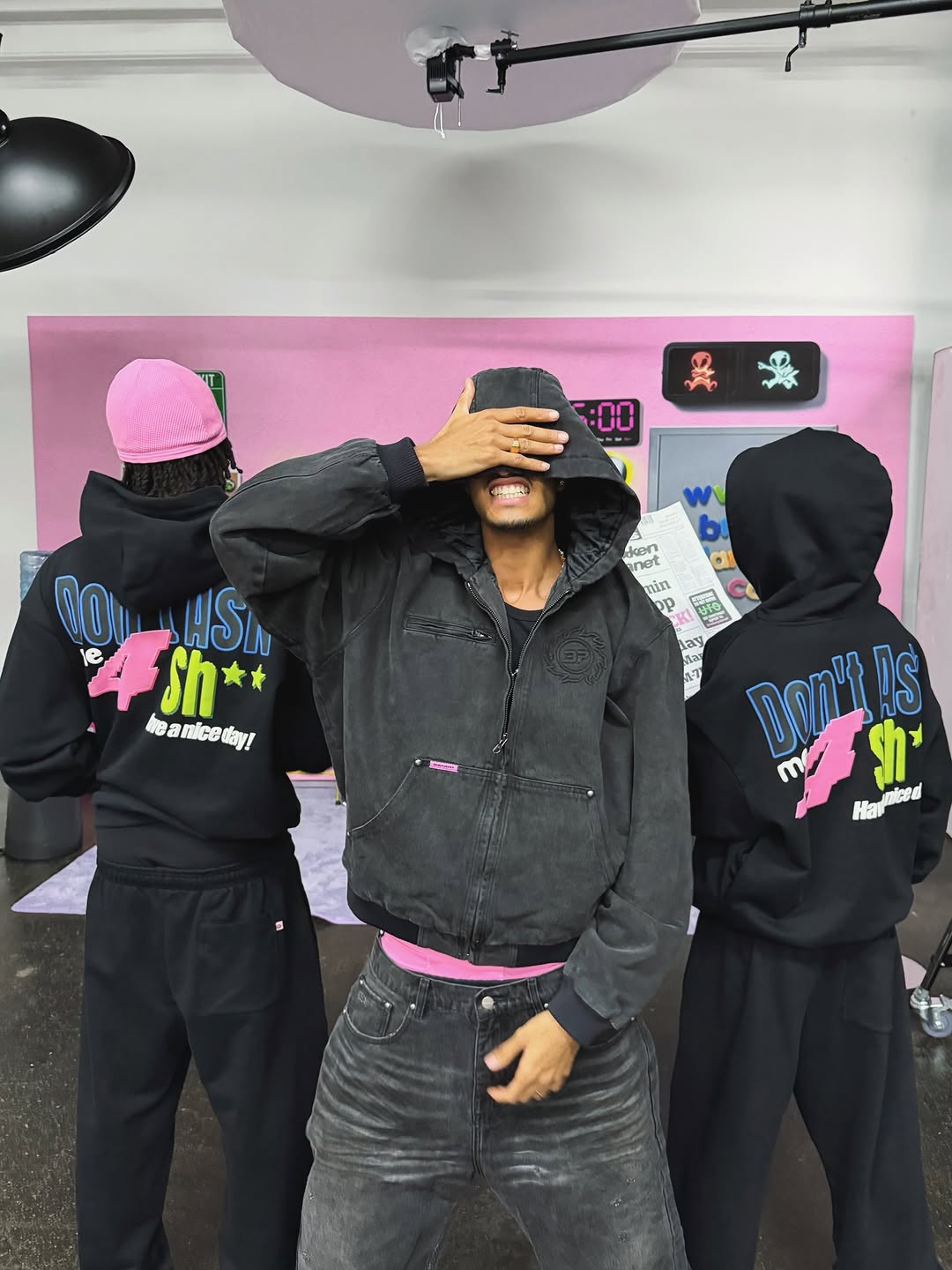
Broken Planet Market's '15MIN DROP DAY' on March 29th featured multiple 15-minute sequential drops with random free item allocation. The campaign used AI-generated models and the founders disclosed this openly in the caption, consistent with the brand's established transparency-first strategy.
Key Points
- Broken Planet disclosed AI model usage in the campaign caption as the second sentence, not buried in the post.
- The drop format uses random free item allocation to generate organic unboxing content from real buyers.
- 13 sequential 15-minute drops trains the audience to show up on a specific day and time each week.
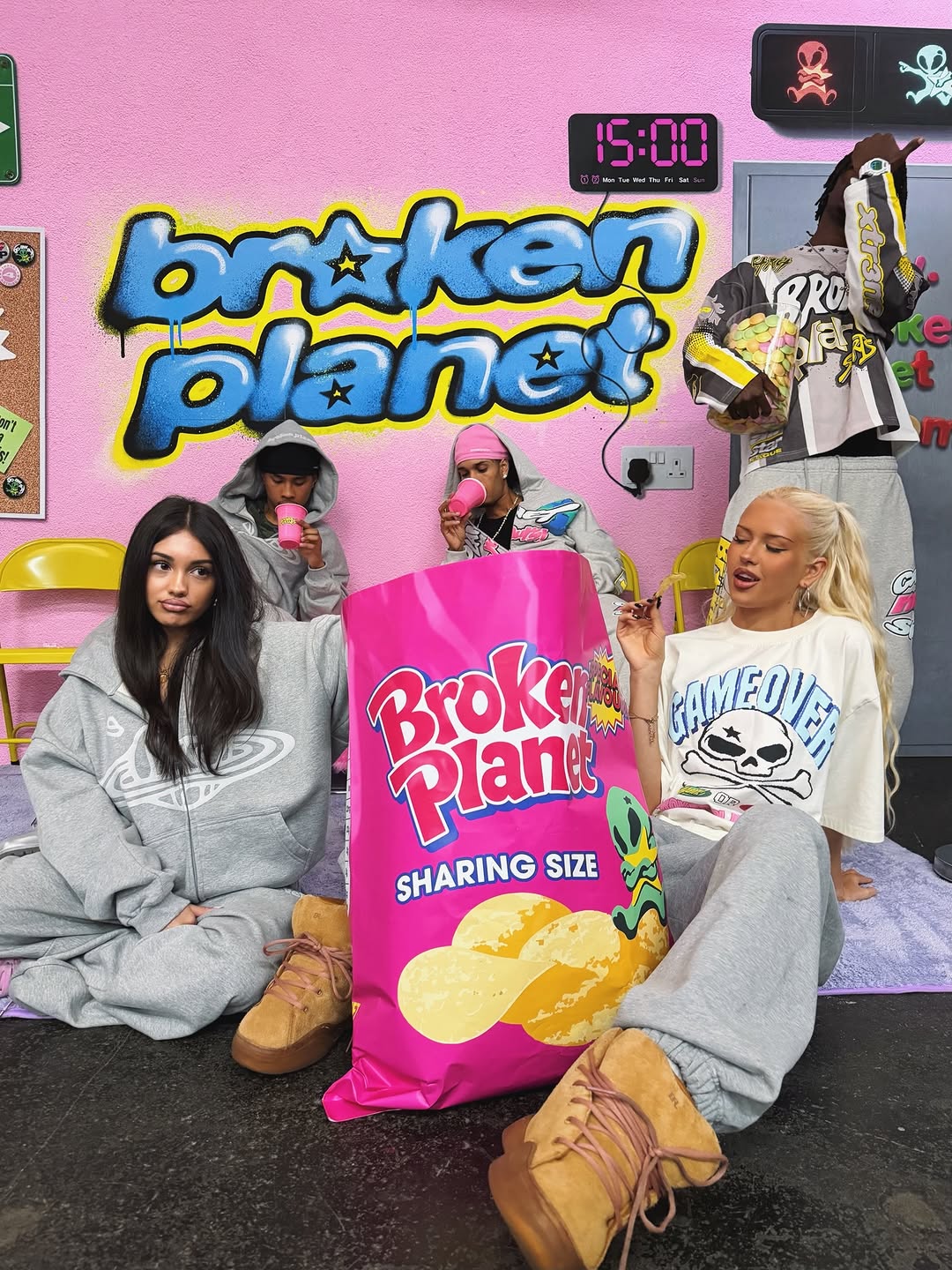
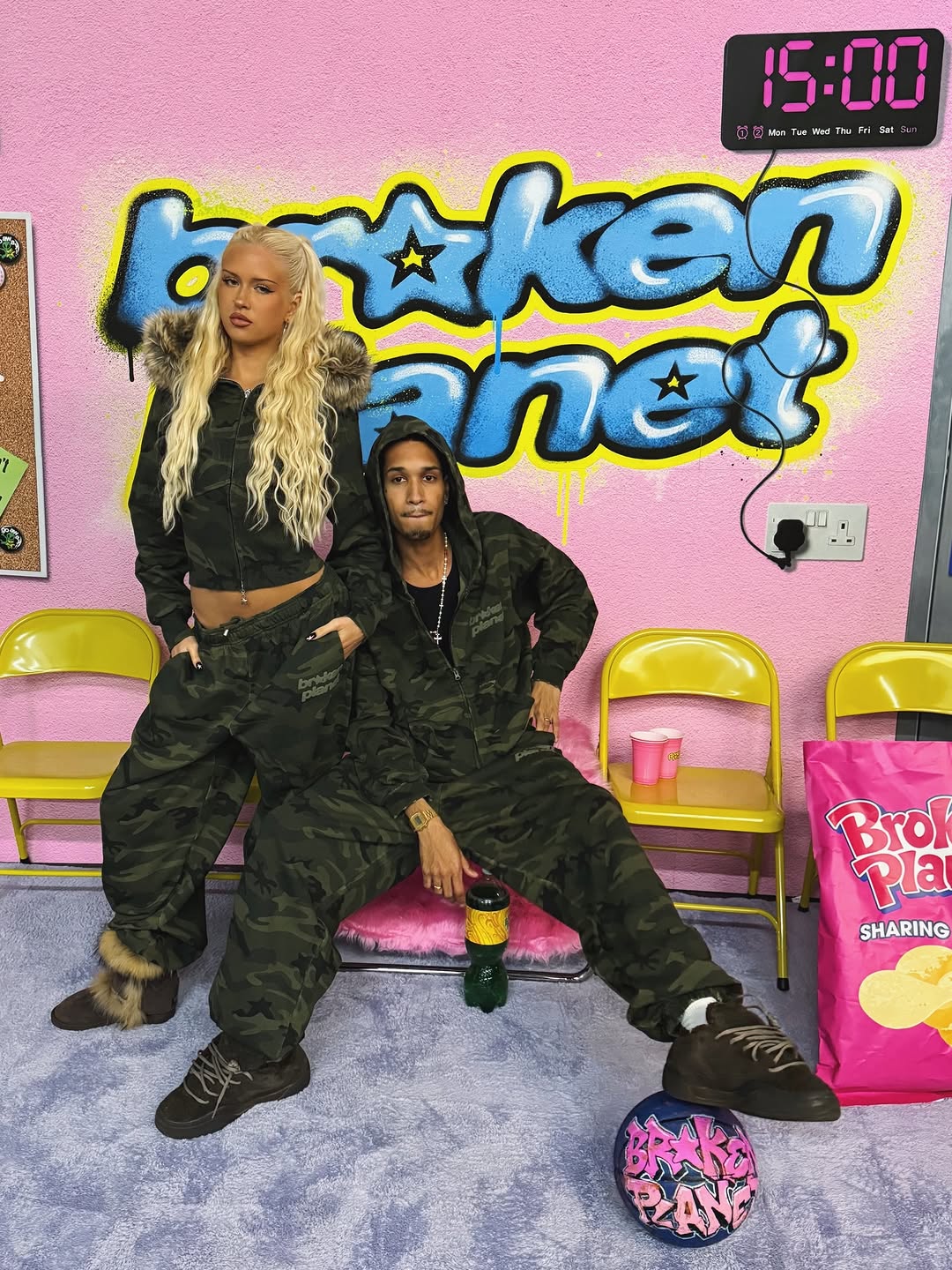
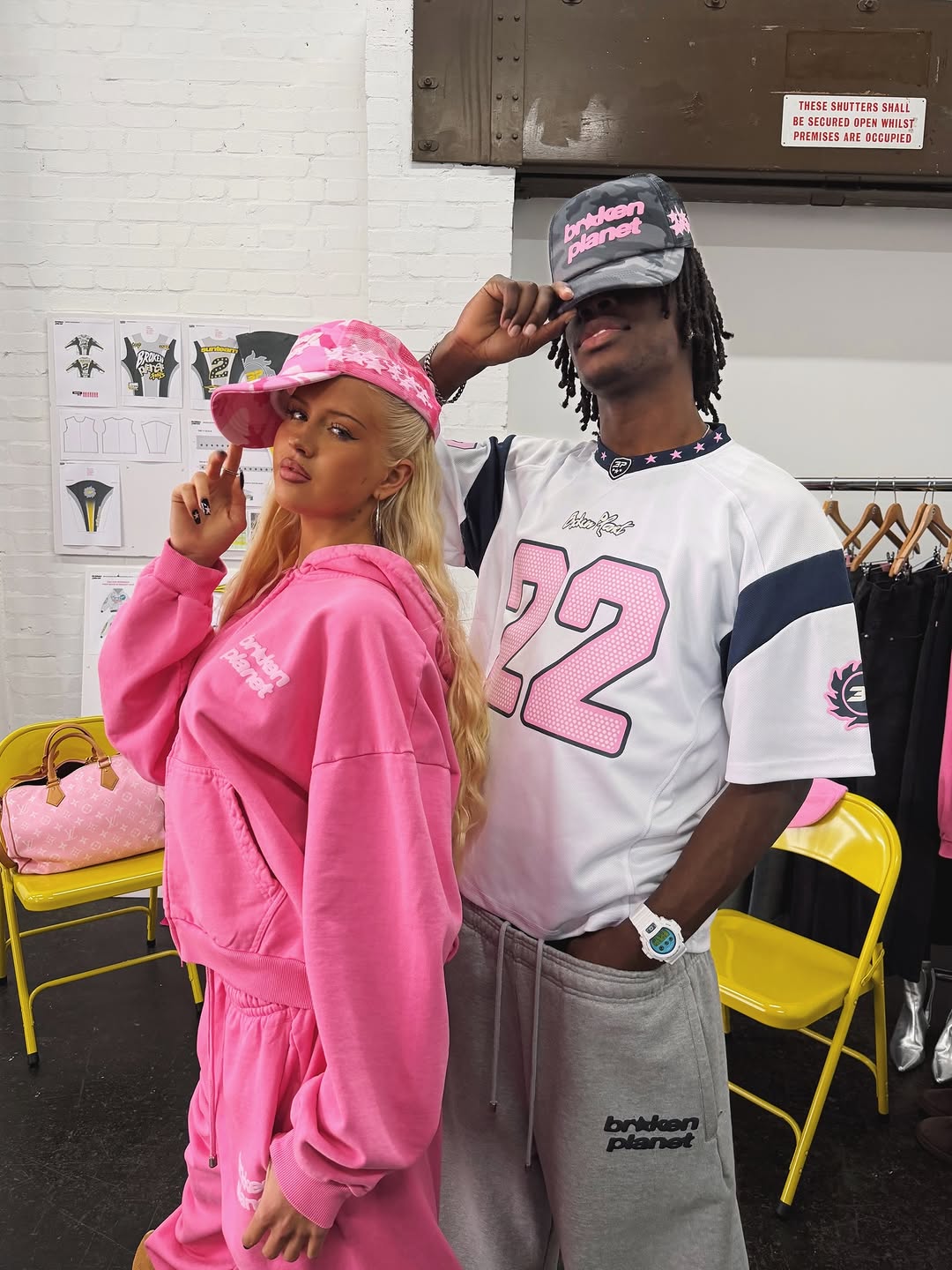
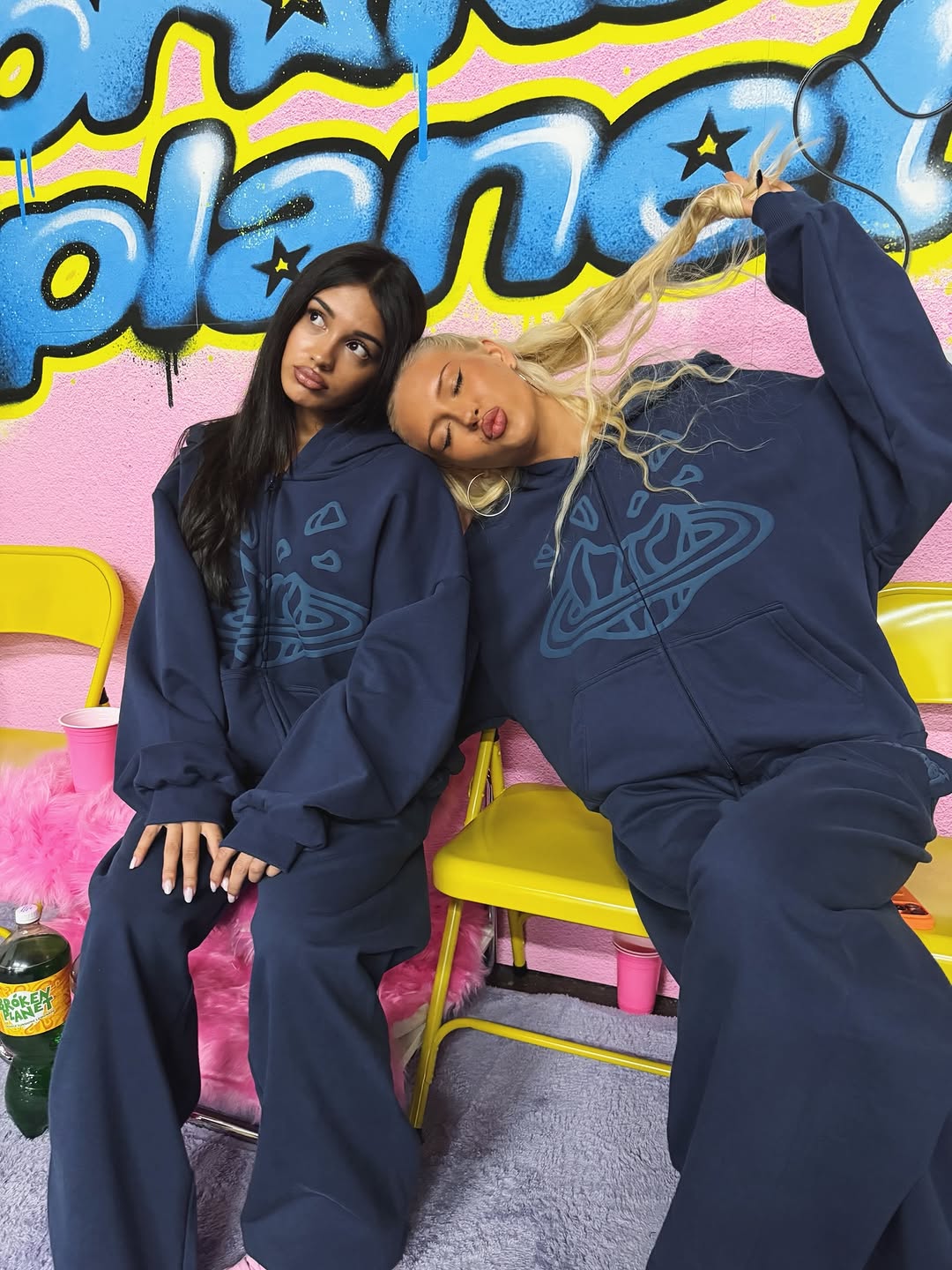
15 minutes. That is the window. Broken Planet Market announced its "15MIN DROP DAY" for Sunday March 29th starting at 1pm UK time: multiple drops, each live for exactly a quarter hour, some with free items attached to random purchases. Thirteen images in the campaign carousel. Zero humans shot by a professional photographer. The founders ran this one through AI models and told their audience they did it.
That last detail is the one worth reading slowly.
Lukas and Indre Built This on Transparency
Broken Planet Market was founded by Lukas Žvikas and Indrė Narbutaitė, who have been running one of the more interesting case studies in streetwear economics. Their drops routinely sell out in minutes. Their YouTube vlogs show production runs, margin discussions, and the actual logistics of building a DTC brand from the UK. In an industry where mystique is the standard lever, they chose to show the math.
The AI models disclosure follows the same logic. The caption reads: "we let the models run this campaign btw." Not buried. The second sentence. This is not a brand trying to sneak AI past its customers. It is a brand that knows its customers are watching closely enough that hiding it would cost more than it saves.
15-Minute Mechanics with a Randomness Layer
Limited time drops are documented retail technique. Broken Planet has used variations throughout its history, including the Tony's Chocolonely collaboration in February 2025 and the All The Stars capsule in January 2025. What is different here is the combination: variable pricing, random free item allocation, and multiple sequential drops.
The randomness element borrows from loot mechanics. You are not just buying a hoodie. You are buying a chance at something extra. The casino framing in the caption (slot machine and lucky clover emoji) is precise, not accidental.
Free Items on Random Drops Is a Net Revenue Positive
This sounds like customer generosity but is customer acquisition strategy. When a brand attaches random free items to drops, they generate content. The person who receives the free item posts it. That post reaches people who were not watching the drop. Broken Planet's community films their unboxings. The free item cost is lower than the content value it produces.
Thirteen Slides, Zero Traditional Models
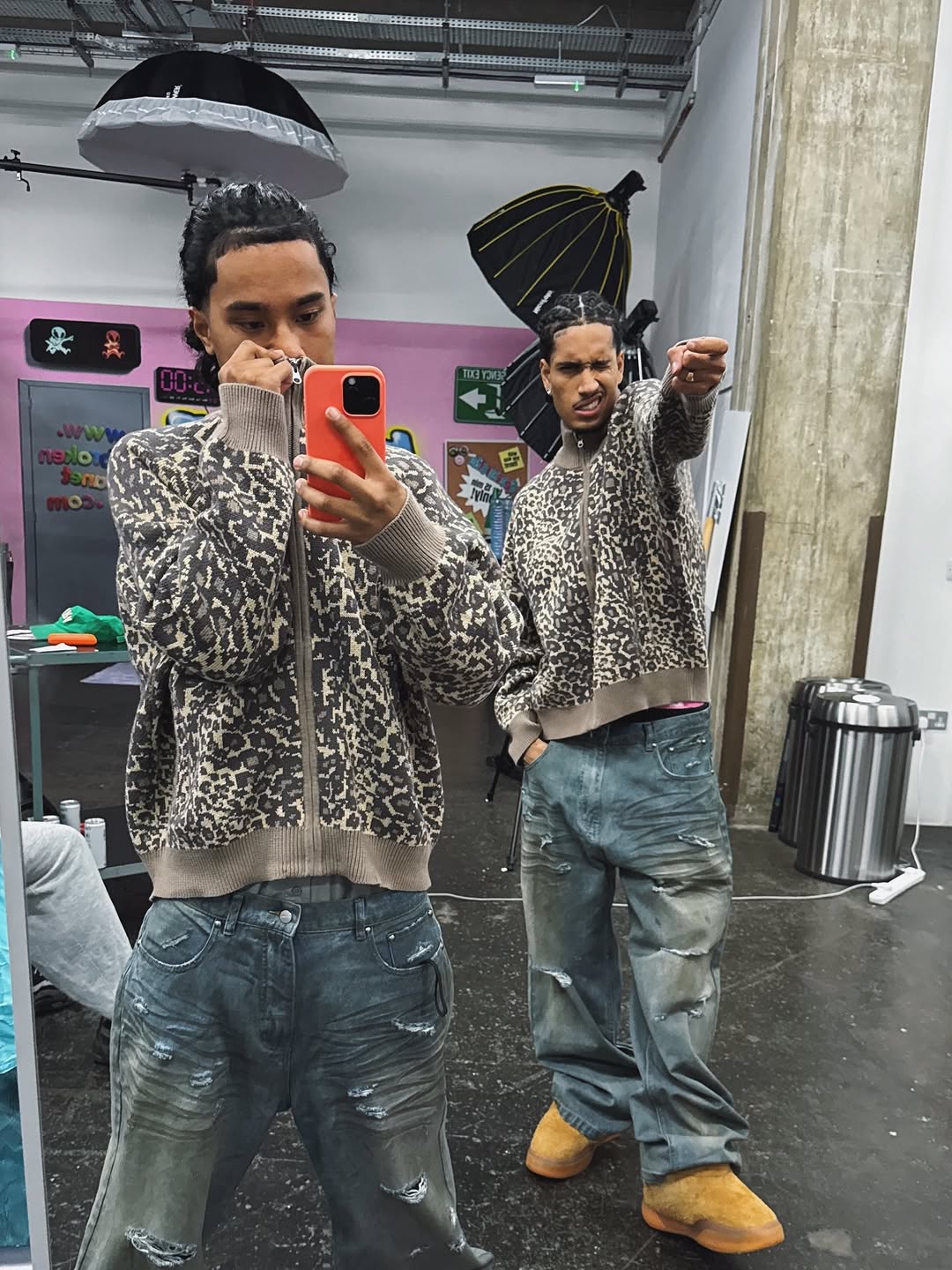
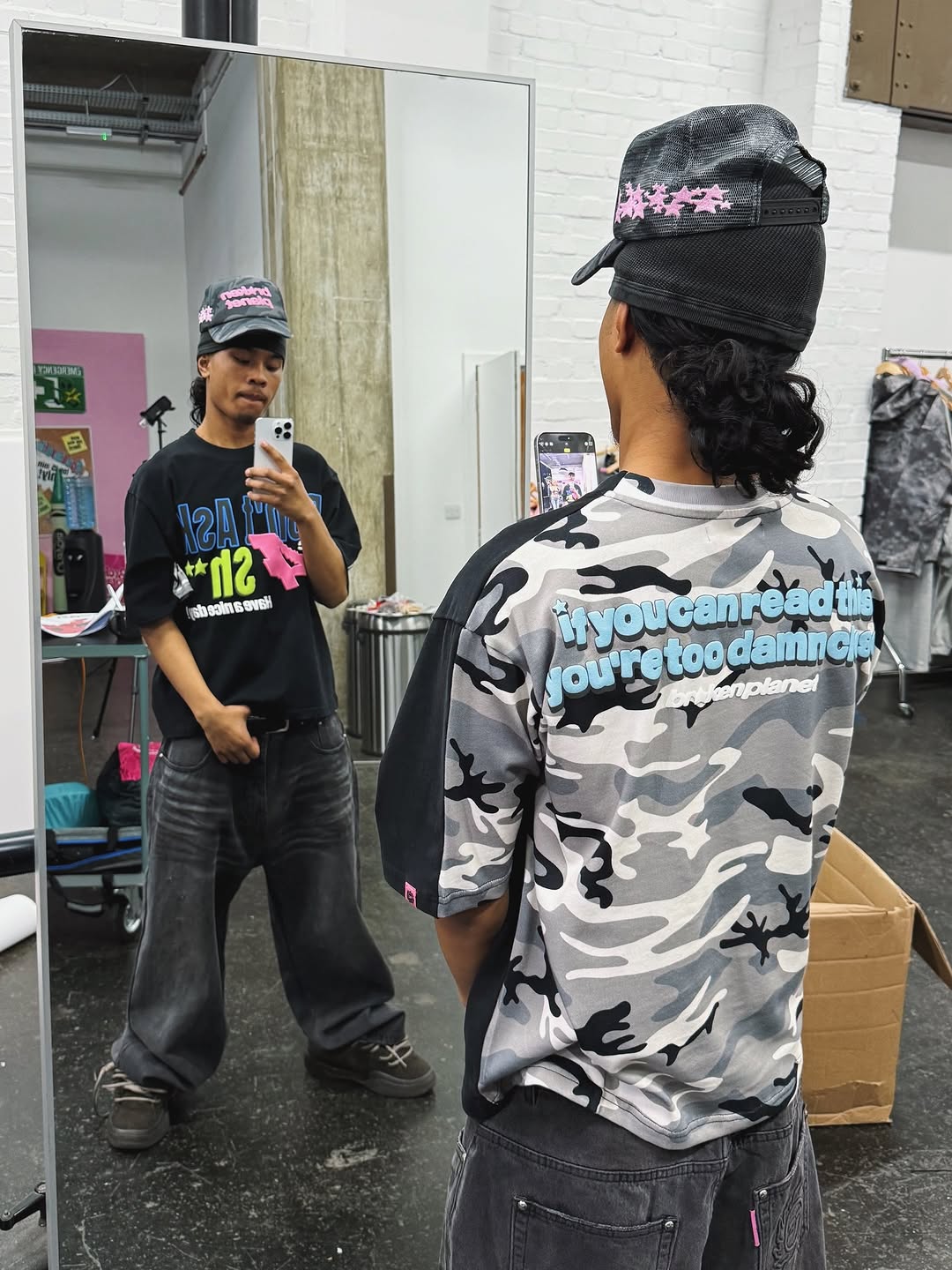
The carousel ran 13 images. AI-generated models throughout. The aesthetic is consistent: the brand's color palette, familiar heavyweight construction, saturated editorial lighting. The clothes look like Broken Planet clothes. The people wearing them are not real.
This creates a specific test. Broken Planet's identity has been built on authenticity of process, not authenticity of image. The vlog content, founder visibility, margin transparency. None of that required human models in campaign shots. The question the brand is running this week: does their audience care about the realness of the imagery when the realness of the brand operation is already established?
Based on the community's demonstrated tolerance for founder experimentation, the answer is probably no. Broken Planet has earned the latitude. The AI campaign is a bet they have already won.
Related Reading
- ADIDAS ADISTAR LEADS SPRING 2026 STYLE EDIT ROUNDUP
- ADIDAS ADISTAR LEADS SPRING 2026 STYLE EDIT ROUNDUP
- ADIDAS ORIGINALS DROPS HOTEL SUPERSTAR CAMPAIGN WITH BABY KEEM
Frequently Asked Questions
What is Broken Planet's 15-minute drop day?
A March 29th event featuring multiple sequential releases, each available for 15 minutes only, with discounted prices and random free items on select purchases.
Did Broken Planet use AI for their campaign?
Yes. The brand disclosed it openly in the caption: 'we let the models run this campaign btw.' All 13 carousel images use AI-generated models.
Who founded Broken Planet Market?
Broken Planet Market was founded by Lukas Žvikas and Indrė Narbutaitė, known for their transparent operational approach including public margin discussions.
Topics: youtube, streetwear, focus-47-21, uk-streetwear, fashion, retail-strategy, broken-planet, broken planet, ai-models, drop-culture