ARE SZA AND TRAVIS BARKER ENOUGH TO SAVE THE VANS AUTHENTIC?
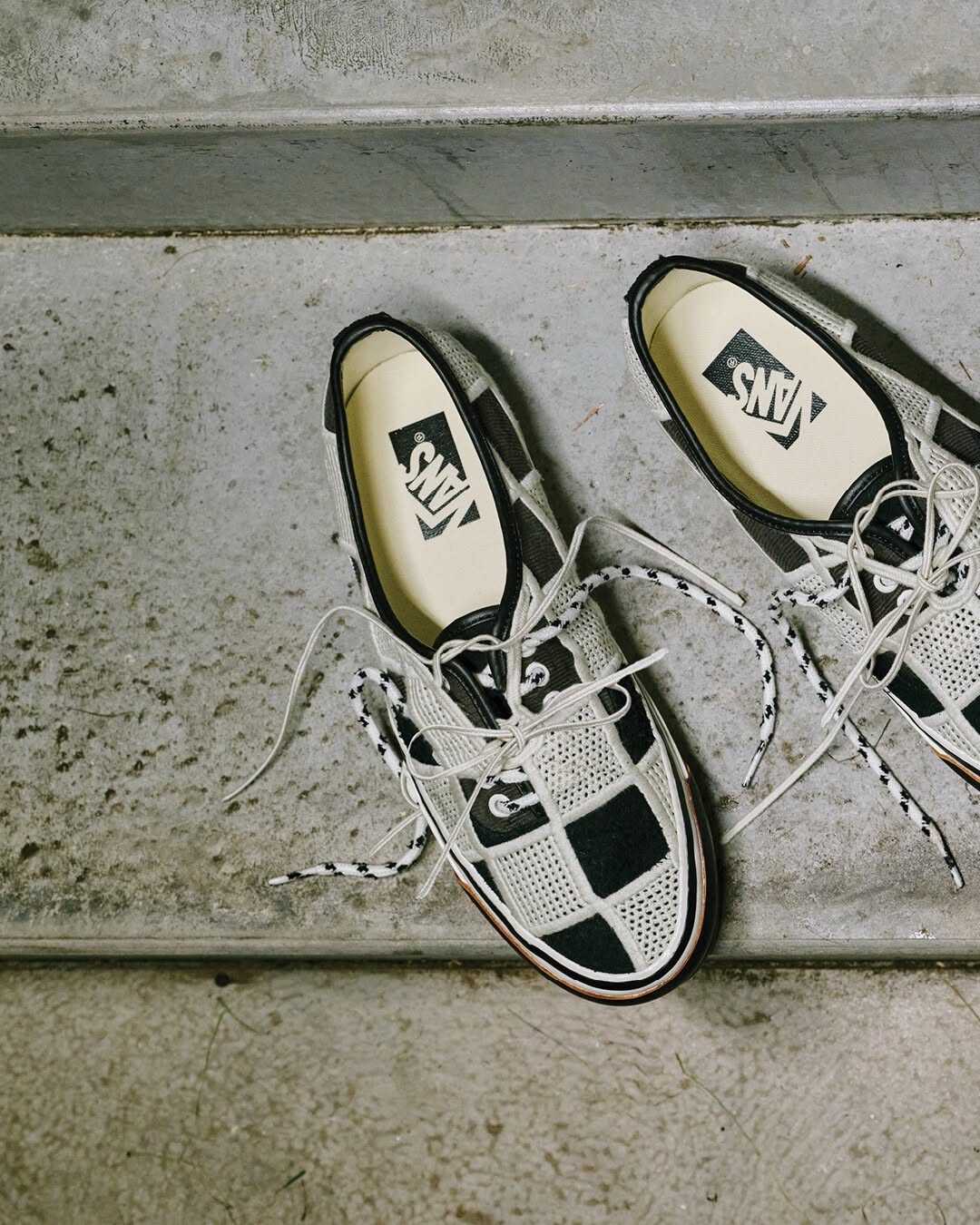
The Vans Worn Loud since 1966 campaign celebrates the 60th anniversary of the Authentic. By prioritizing musicians like SZA over core skateboarders, the brand is attempting to recapture mass cultural relevance in a market currently dominated by technical runners.
Key Points
- Vans is using Grammy-winning musicians to reposition the Authentic away from skateboarding.
- The campaign photography by Rosie Marks deliberately mimics amateur flash photography to signal authenticity.
- Despite massive social media engagement, the flat canvas silhouette struggles against modern runner trends.
Bad Bunny just brought an unreleased, heavily armored prototype to the Super Bowl. Meanwhile, Vans is hoping SZA can save a sixty-year-old canvas shoe. Two completely different approaches to footwear volume, happening in the exact same economic quarter. Marketing a heritage sneaker requires a delicate balance between core authenticity and mass cultural reach, but it mostly requires knowing when to stop looking backward.
The thesis here is simple: "Worn loud since 1966" is not a skateboard campaign. It is a music industry campaign. Vans is actively recalibrating the iconic Authentic silhouette away from the half-pipe and aggressively repositioning it as the default footwear for Grammy winners. By utilizing SZA, Hayley Williams, and Travis Barker as the primary delivery mechanisms for their 60th-anniversary push, the brand is openly admitting that music, not action sports, is the only lever large enough to move the needle on a global scale.
Seven Grammys Cannot Fix a Stale Retail Footprint
SZA wearing a pair of standard canvas Authentics in a lo-fi studio setting is undeniably a powerful image. She commands the culture right now. But a powerful image does not automatically resolve the underlying tension at a legacy footwear brand. When you rely entirely on historical momentum and archive nostalgia to move units every single quarter, you eventually run out of runway. Vans has hit that exact wall recently, struggling to maintain relevance against the surge of specialized running shoes.
The Authentic is undeniably iconic. It is the Style 44 deck shoe that built an empire. Yet the global footwear market has shifted almost uniformly toward chunky, substantial luxury runners and highly technical trail silhouettes. A flat, unlined vulcanized sole feels aggressively out of step with the current proportions and comfort expectations dominating the street. Putting a global superstar in the shoe changes the optics, but it does not change the physical reality of walking three miles on flat rubber in 2026.
The Rosie Marks Photography Strategy Demands Attention
They hired British photographer Rosie Marks to shoot the campaign. This is the crucial, hidden pivot that most observers missed. Marks is known for a hyper-flash, raw documentary style that aggressively strips away traditional corporate polish. By pointing her flash-heavy lens directly at Hayley Williams, SZA, and Turnstile's Franz Lyons, Vans is actively trying to recapture the grimy, unfiltered energy of mid-2000s music photography rather than shooting another generic, sun-drenched California lifestyle lookbook.
The visual language here works precisely because it refuses to look expensive. It looks like a disposable camera developed at a pharmacy. Corporate aesthetics have become so polished and sanitized through AI and high-end retouching that the only way for a massive brand to signal authenticity is to simulate amateurism. The Rosie Marks aesthetic is the visual equivalent of the raw canvas shoe—unpretentious, direct, and slightly uncomfortable to look at for too long.
April 2 Is the Actual Test of the Strategy
The initial campaign noise launched in mid-March, capturing the necessary blog coverage and Instagram syndication. But the real volume test arrives on April 2, when the full colorway expansion drops globally across their massive wholesale network. The fundamental problem with heritage anniversary campaigns is that they often generate immense social media engagement without actually moving the needle at the cash register.
Consumers will absolutely like a photo of Travis Barker wearing checkerboard slip-ons while holding drumsticks. It triggers a deep sense of millennial nostalgia. But that algorithmic like does not guarantee they will actually purchase a new pair of Authentics when their current pair is still sitting by the front door, perfectly functional and appropriately worn in. Vans is competing against its own durability and its own ubiquity.
The Canvas Economics Remain Unbeatable Behind the Scenes
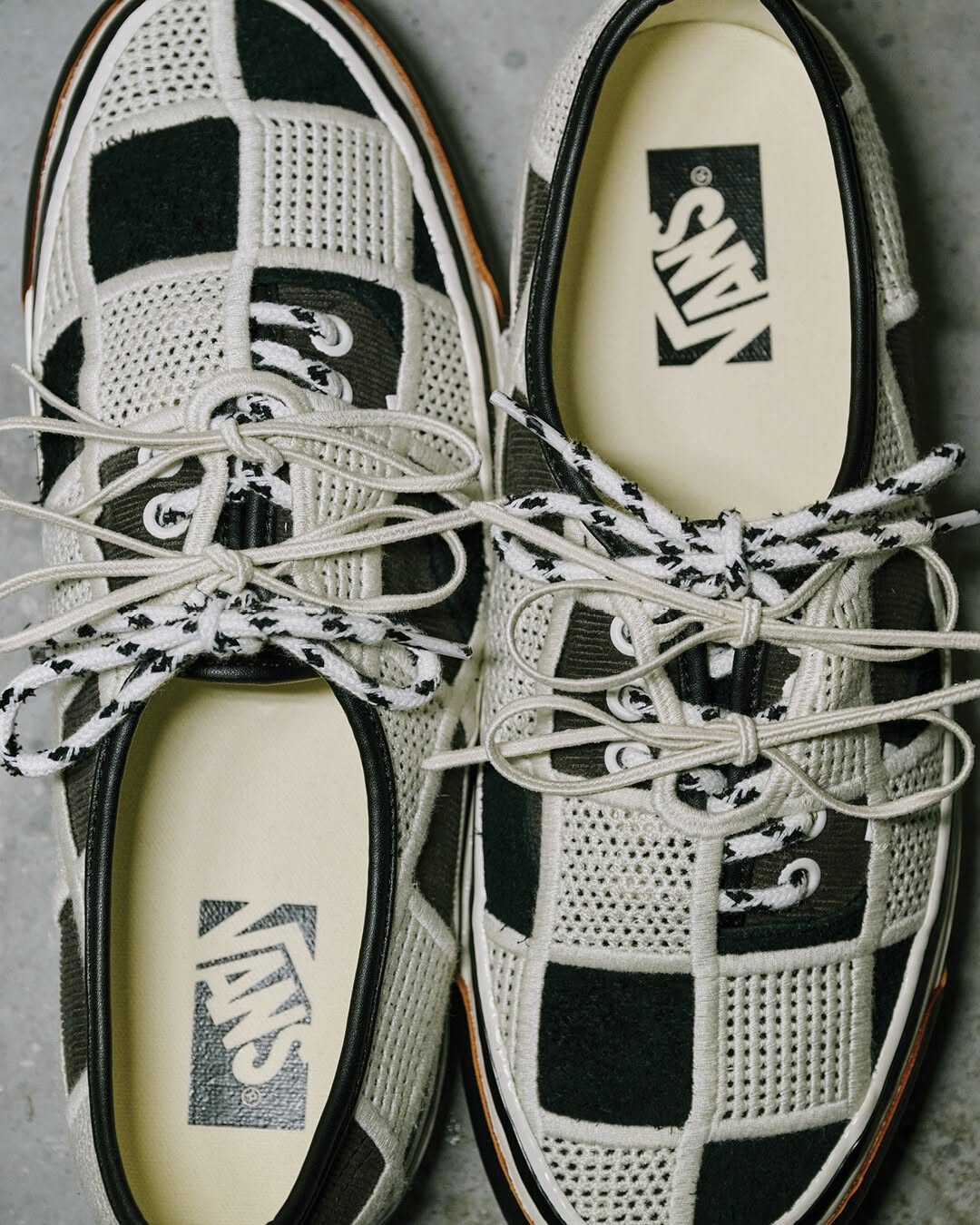
As we noted recently in our coverage of the 60th Anniversary Chanel-inspired pack, Vans consistently relies on the Authentic silhouette because the profit margins on unlined canvas and vulcanized rubber are simply untouchable by modern performance footwear. There is no proprietary foam. There is no carbon plate. It is heat, rubber, and cotton. But where the Chanel-inspired pack leaned heavily into luxury irony to justify attention, this "Worn Loud" campaign is attempting something much harder and much more dangerous: sincere cultural relevance.
This campaign feels undeniably late to the conversation. The aggressive pivot to music royalty is ultimately a defensive move designed to protect existing market share, not an offensive strike to capture new aesthetic territory in a crowded market. The Authentic silhouette will survive forever—it is a foundational pillar of American design. But this specific marketing push will not reverse the broader cultural cooling around the brand. Skip the standard restocks entirely. Wait for the actual collaborative projects if you want a pair of Vans that actually mean something localized and specific this year.
Related Reading
- How Vans Channeled Chanel for Its 60th Anniversary Pack
- Palace Summer 26 Drops May 8 and the Lookbook Is Already Speaking
- 150 Pairs. MassArt Only. Brain Child and Reebok Did the Numbers Right.
Frequently Asked Questions
Who is in the Vans Worn Loud since 1966 campaign?
The campaign features SZA, Hayley Williams, Travis Barker, and Franz Lyons, alongside skateboarders like Lizzie Armanto.
When does the Vans Authentic 60th anniversary collection release?
The initial collection launched in mid-March 2026, with a wider global colorway expansion releasing on April 2.
Who photographed the new Vans campaign?
British photographer Rosie Marks shot the campaign, utilizing her signature raw, flash-heavy documentary style.
Topics: chanel, reebok, vans, vans-authentic, bad-bunny, heritage-sneaker, sza, focus-54-72, palace, bad bunny, travis-barker, skate-culture, worn-loud-campaign